


- Home » Types of NPK Fertilizers: Guide...
Types of NPK Fertilizers: Guide for Crop Nutrition
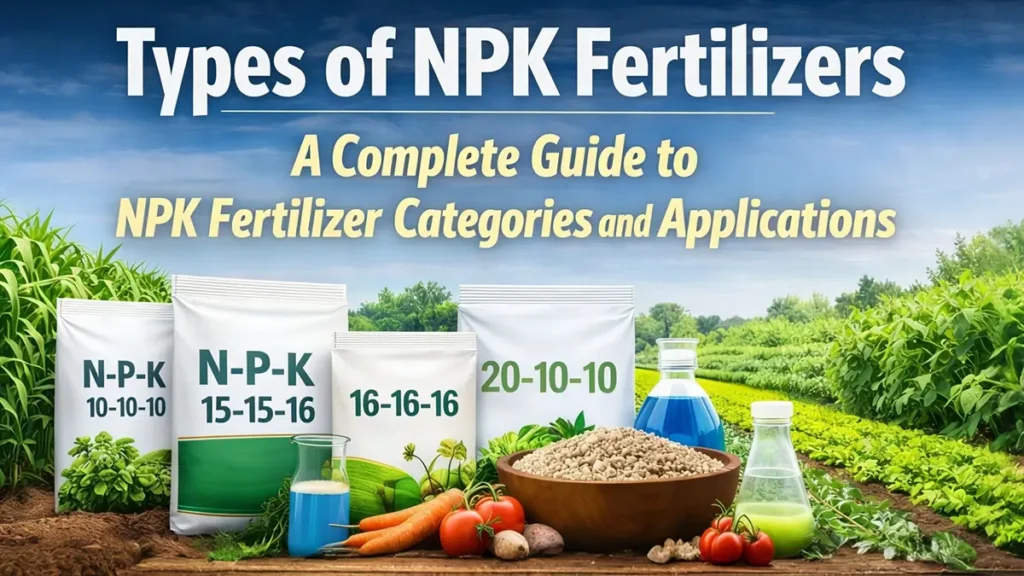
NPK fertilizers are the foundation of modern crop nutrition, supplying plants with the three essential macronutrients required for healthy growth: nitrogen (N), phosphorus (P), and potassium (K). These nutrients support vegetative growth, root development, flowering, and fruit quality.
Because crops, soils, and farming systems vary, different types of NPK fertilizers are developed to meet specific agricultural needs. Understanding these fertilizer categories helps farmers and growers choose the best NPK fertilizer for crop yield, soil fertility, and efficient nutrient management.
Many agricultural suppliers provide a wide range of NPK formulations designed for various application systems. For example, Terafon Fertilizer offers compound fertilizers suitable for field crops, horticulture, and fertigation programs, supporting modern and sustainable farming practices.
Table of Contents
1. Understanding NPK Fertilizer and Nutrient Ratios
NPK fertilizers deliver three key plant nutrients:
- Nitrogen (N): promotes leaf growth and chlorophyll production
- Phosphorus (P): supports root development and energy transfer
- Potassium (K): improves plant strength, stress tolerance, and fruit quality
Fertilizers are labeled with an NPK ratio, such as 10-10-10, 15-15-15, or 20-20-20, which represents the percentage of each nutrient.
Examples include:- 10-10-10 fertilizer – balanced nutrition for general crop growth
- 20-10-10 fertilizer – high nitrogen for vegetative development
12-24-12 fertilizer – high phosphorus for root establishment
Selecting the correct ratio is essential for optimizing crop nutrition and soil nutrient balance.
2. Major Types of NPK Fertilizers
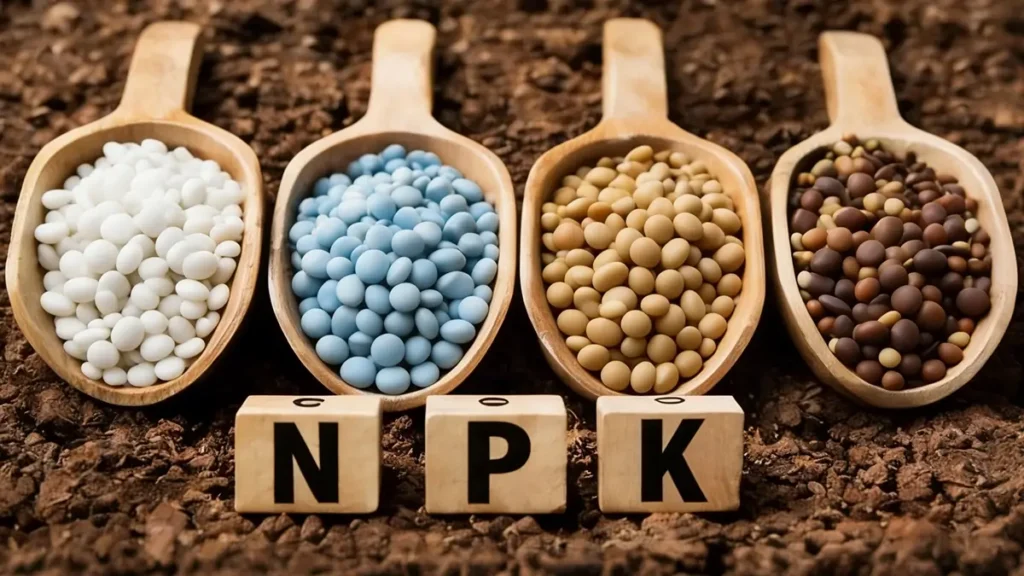
NPK fertilizers can be categorized based on their physical form, application method, and nutrient composition.
(1). Granular NPK Fertilizers
Granular fertilizers are the most widely used NPK fertilizers in large-scale agriculture. They are produced through granulation processes that form uniform solid particles.
Key Features
- Granule size typically 2–4 mm
- Suitable for mechanical spreading
- Easy storage and transportation
- Gradual nutrient release in soil
Common Applications
Granular NPK fertilizers are commonly used for:
- cereal crops such as wheat and corn
- rice cultivation
- soybean and oilseed crops
- orchard and plantation crops
(2). Liquid NPK Fertilizers (including Water-Soluble NPK)
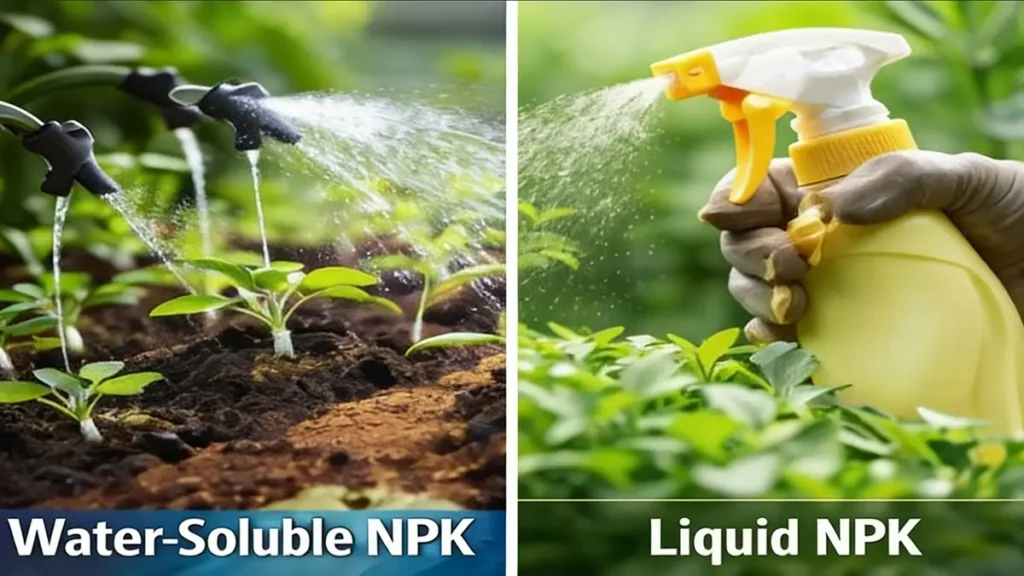
Liquid NPK fertilizers are nutrients fully dissolved in water, combining the advantages of traditional liquid fertilizers and water-soluble formulations. They provide fast and precise nutrient delivery, making them ideal for modern irrigation and fertigation systems.
Common Applications
- Immediate nutrient availability for rapid crop response
- Easy to apply through foliar spraying or irrigation
- Precise nutrient management, reducing waste and improving efficiency
Suitable for high-value crops, greenhouse cultivation, and horticulture
Typical Applications
- Drip irrigation in greenhouses
- Foliar feeding for vegetables and fruit crops
- Hydroponic systems
Intensive horticulture requiring precise nutrition
By merging water-soluble and liquid fertilizers, growers can maximize nutrient uptake while maintaining soil health, and adjust nutrient ratios based on crop growth stages.
(3). Organic NPK Fertilizers
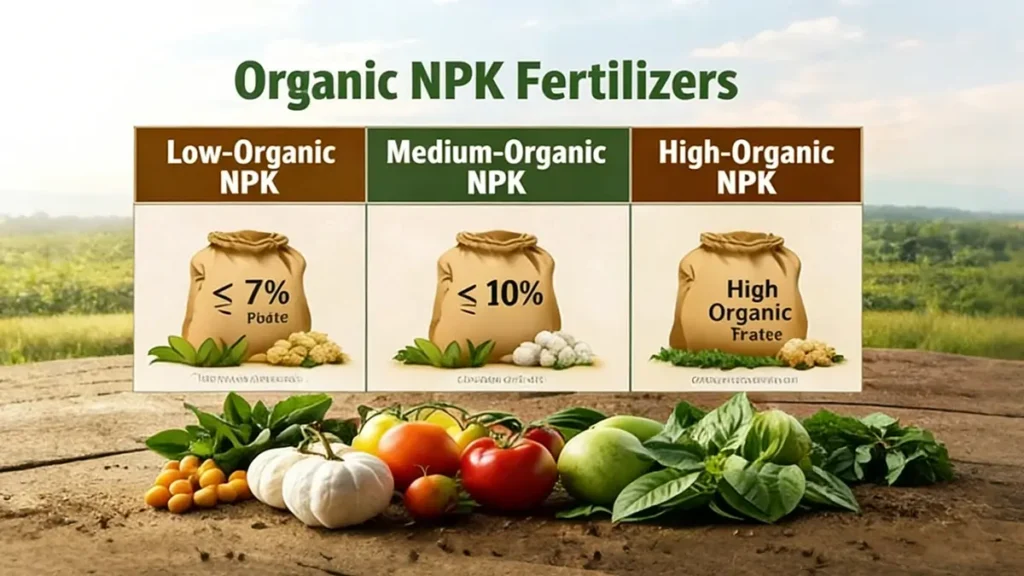
Organic NPK fertilizers combine mineral nutrients with organic matter, helping improve both crop nutrition and soil fertility. Compared with purely synthetic fertilizers, these formulations support soil microbial activity, organic matter levels, and long-term soil health.
Organic NPK fertilizers are commonly classified according to their organic matter content.| Type | Organic Content | Key Features | Applications |
|---|---|---|---|
| Low-Organic NPK | ≤7% | High nutrient content, fast nutrient release | Field crops, vegetables |
| Medium-Organic NPK | ≤10% | Balanced nutrients, improves soil fertility | Vegetables, fruit crops, greenhouse crops |
| High-Organic NPK | Higher organic matter | Improves soil structure, gradual nutrient release | Organic farming, soil improvement |
These fertilizers are increasingly used in sustainable agriculture and soil fertility management programs.
(4). Controlled-Release NPK Fertilizers
Controlled-release fertilizers use coating technologies that regulate nutrient release according to soil conditions such as temperature and moisture.
Key Technologies
- polymer-coated fertilizers
- sulfur-coated fertilizers
- resin-coated compound fertilizers
Benefits
- consistent nutrient supply
- reduced nutrient leaching
- improved fertilizer efficiency
- fewer fertilizer applications
Controlled-release fertilizers are widely used in horticulture, landscaping, and nursery production.
Some fertilizer producers, including Terafon Fertilizer, are investing in advanced controlled-release technologies to improve nutrient efficiency and support sustainable crop production.
3. Classification of NPK Fertilizers by Nutrient Ratio
NPK fertilizers can also be classified according to their nutrient balance.
Balanced NPK Fertilizers
Examples:
- 10-10-10
- 15-15-15
- 20-20-20
These fertilizers provide general plant nutrition for many crops.
High-Nitrogen Fertilizers
Examples:
- 20-10-10
30-10-10
Used to promote vegetative growth and leaf development.
High-Phosphorus Fertilizers
Examples:
- 10-30-10
- 13-40-13
Often used for root development and early plant growth.
High-Potassium Fertilizers
Examples:
- 12-12-36
- 15-5-30
4. How to Choose the Best NPK Fertilizer
Selecting the right fertilizer depends on several factors.
Crop Type
Different crops require different nutrient ratios.
- cereals → higher nitrogen
- root crops → higher phosphorus
fruit crops → higher potassium
Soil Fertility
Soil testing helps determine nutrient deficiencies and select the most suitable NPK fertilizer for soil management.
Application Method
- broadcasting → granular fertilizers
- drip irrigation → water-soluble fertilizers
- foliar feeding → liquid fertilizers
Crop Growth Stage
| Growth Stage | Recommended Fertilizer |
|---|---|
| Seedling stage | High-phosphorus fertilizer |
| Vegetative stage | High-nitrogen fertilizer |
| Flowering stage | Balanced fertilizer |
| Fruit stage | High-potassium fertilizer |
5. Conclusion
NPK fertilizers are essential for modern agriculture, providing plants with the nutrients necessary for healthy growth and high productivity. The main types of NPK fertilizers—granular, water-soluble, liquid, organic, and controlled-release formulations—serve different crop systems and nutrient management strategies.
By selecting the appropriate fertilizer type and nutrient ratio, growers can improve crop yield, nutrient efficiency, and long-term soil fertility. With continued innovation in fertilizer technology, companies such as Terafon Fertilizer are helping farmers adopt more efficient and sustainable crop nutrition solutions.
Frequently Asked Questions (FAQ)
They show the percentage of Nitrogen (N), Phosphorus (P), and Potassium (K). For example, 20‑10‑10 has 20% N, 10% P, and 10% K.
Check soil nutrients, crop type, and growth stage. Soil tests help pick the best NPK ratio.
It boosts crop growth, improves yield, strengthens roots, and increases plant stress resistance.
Before planting (base)
During vegetative growth (nitrogen)
During flowering/fruiting (potassium)
Yes. Overuse can damage roots, upset soil balance, and pollute the environment. Apply recommended amounts.
Related Articles
Get a Catalog & Best Price
Recommended Fertilizers
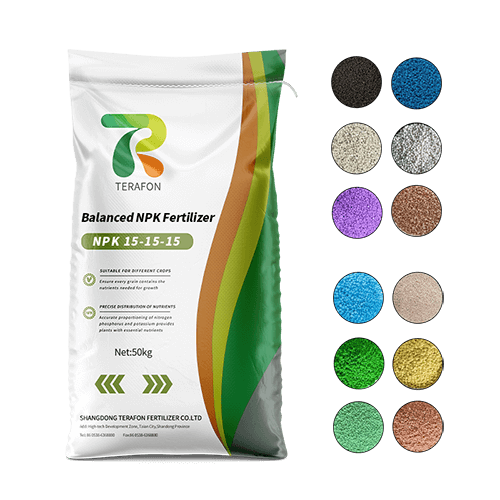
Balanced NPK Fertilizer
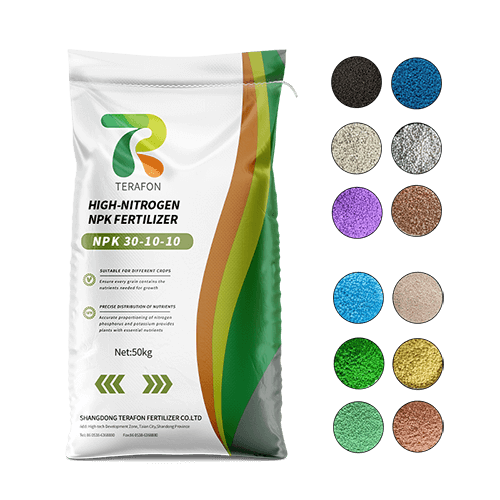
High-Nitrogen NPK Fertilizer
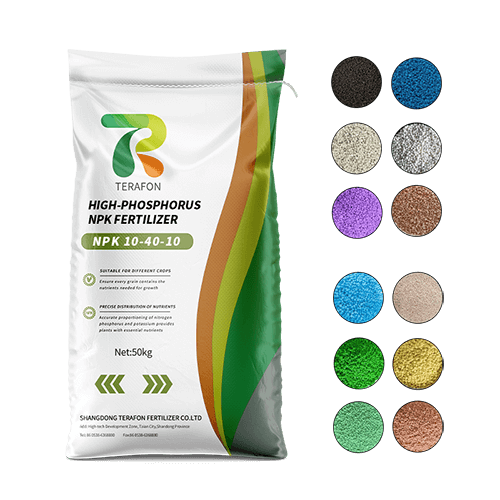
High‑Phosphorus NPK Fertilizer
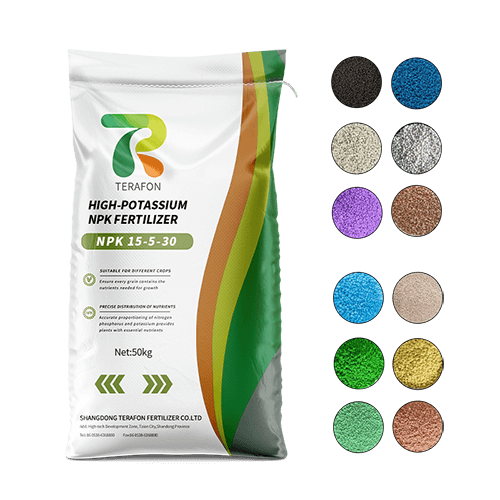
High-Potassium NPK Fertilizer
Suitable Crops
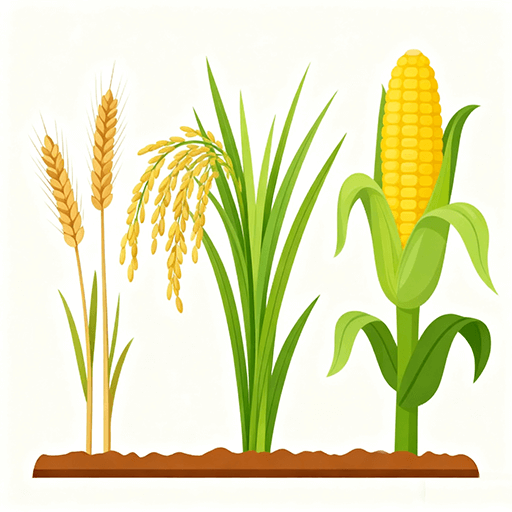
Cereal Crop
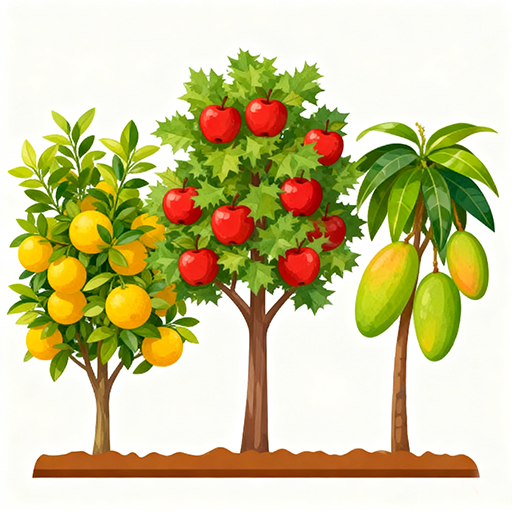
Fruit Trees
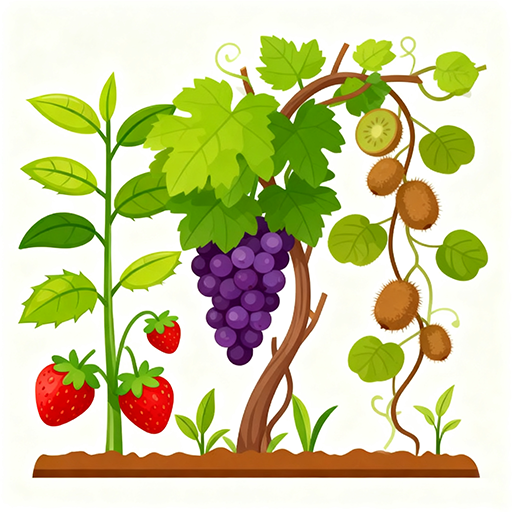
Berry & Vine Crops
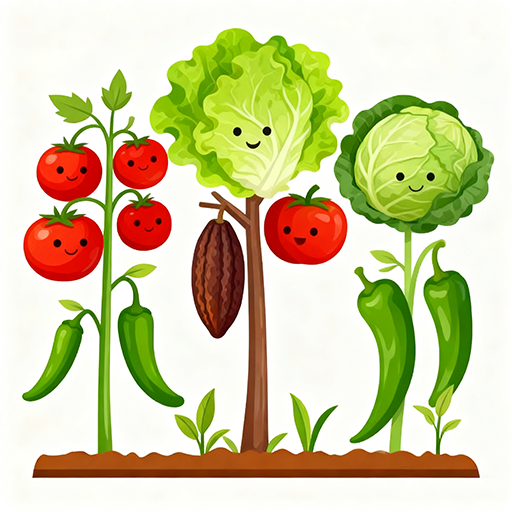
Leafy & Fruiting Vegetables
NPK Fertilizer: Supporting Balanced Crop Nutrition
Apply NPK fertilizer through soil application, fertigation, or foliar spray to supply essential nitrogen, phosphorus, and potassium, promoting healthy plant growth and improved crop yield. Terafon Fertilizer offers high-quality NPK formulations for efficient and sustainable crop nutrition.
