


- Home » How to Use NPK Fertilizer for Tomato Plants...
How to Use NPK Fertilizer for Tomato Plants Effectively
Tomatoes are one of the most widely cultivated vegetable crops in both home gardening and commercial agriculture. To achieve vigorous plant growth, strong root systems, abundant flowering, and premium fruit quality, proper nutrient management is essential. Among all fertilizer solutions, NPK fertilizer remains one of the most effective options for improving tomato productivity and maximizing yield.
Modern growers increasingly rely on balanced tomato fertilizer programs, water soluble fertilizers, and precision nutrient management to support sustainable agriculture and improve crop performance. High-quality fertilizers from trusted suppliers such as Terafon Fertilizer are widely used in modern farming systems for vegetable production, greenhouse cultivation, and commercial agriculture.
In this complete guide, you will learn how to use NPK fertilizer for tomato plants effectively, including the best fertilizer ratios, application schedules, nutrient management strategies, and common mistakes to avoid.
Table of Contents
- 1. What Is NPK Fertilizer?
- 2. Why Tomato Plants Need NPK Fertilizer
- 3. Understanding NPK Ratios for Tomatoes
- 4. Best Fertilizer for Different Tomato Growth Stages
- 5. How to Apply NPK Fertilizer to Tomato Plants
- 6. Water Soluble vs Granular Fertilizer
- 7. Tomato Fertilizer Schedule
- 8. Common Fertilizer Mistakes in Tomato Farming
- 9. Signs of Nutrient Deficiency in Tomato Plants
- 10. Professional Tips to Increase Tomato Yield
- 11. Conclusion
1. What Is NPK Fertilizer?
NPK fertilizer is a compound fertilizer containing three essential macronutrients required for healthy plant development:
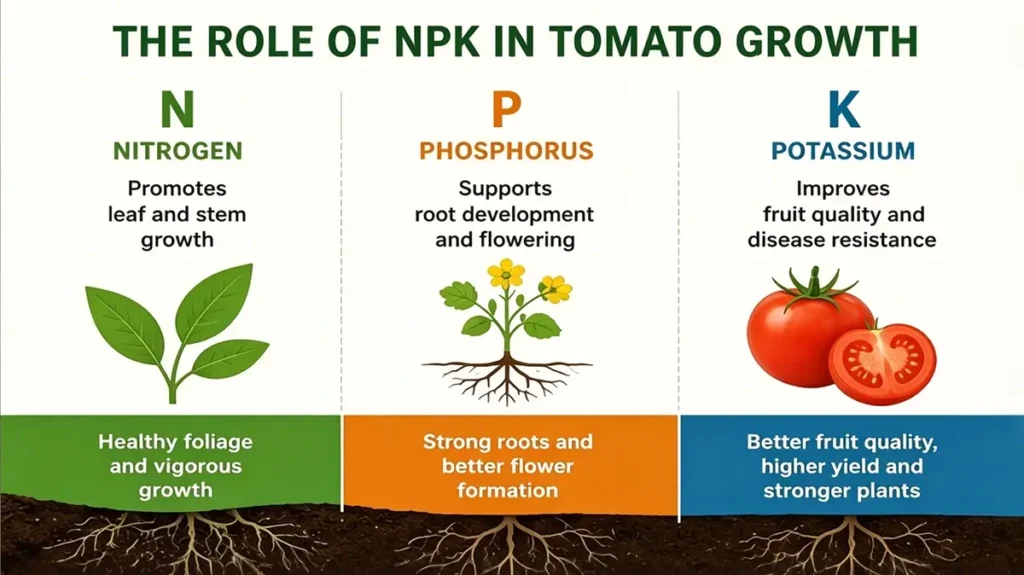
- Nitrogen (N) — promotes vegetative growth and chlorophyll formation
- Phosphorus (P) — supports root development, flowering, and energy transfer
- Potassium (K) — improves fruit quality, disease resistance, and stress tolerance
The fertilizer ratio is typically represented by three numbers, such as:
- 10-10-10
- 15-15-15
- 20-20-20
- 5-10-10
These numbers indicate the percentage of nitrogen, phosphorus, and potassium in the fertilizer formulation.
For tomato cultivation, selecting the correct NPK ratio is critical because nutrient requirements change significantly throughout the growth cycle.
2. Why Tomato Plants Need NPK Fertilizer
Tomato plants are considered heavy feeders because they rapidly absorb nutrients from the soil during vegetative growth and fruit production. Without balanced fertilization, tomato crops may suffer from:
Applying the best fertilizer for tomato plants helps improve:
- Weak root systems
- Yellowing leaves
- Delayed flowering
- Blossom drop
- Poor fruit setting
- Reduced fruit size and yield
Applying the best fertilizer for tomato plants helps improve:
- Root establishment
- Stem strength
- Leaf development
- Flower production
- Fruit size and color
- Sugar accumulation and shelf life
Balanced tomato fertilizer programs also improve nutrient use efficiency and enhance overall soil fertility.
3. Understanding NPK Ratios for Tomatoes
Different growth stages require different fertilizer formulations.
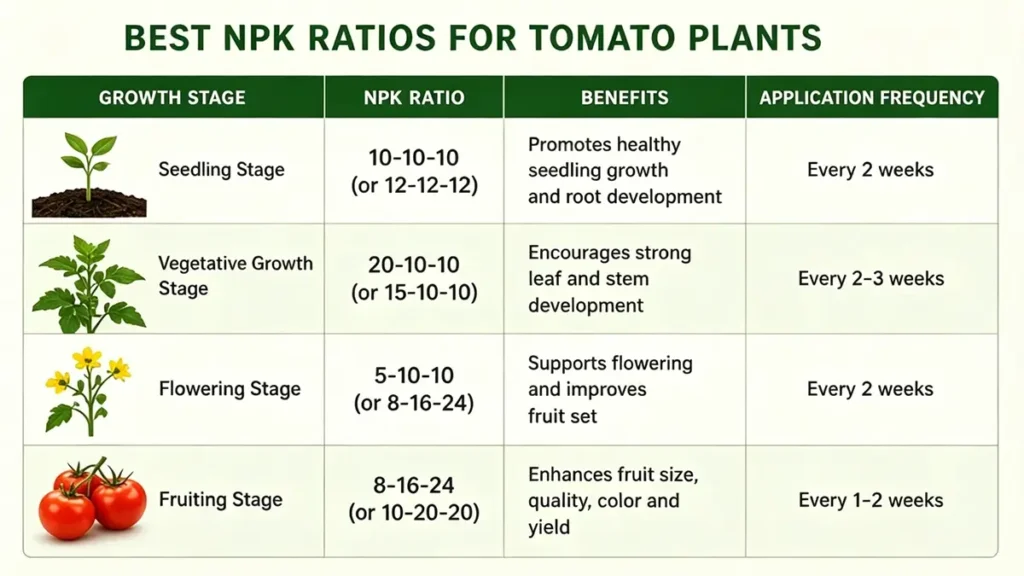
Seedling Stage
Young tomato seedlings require balanced nutrients for early root and leaf development.
Recommended NPK ratios:- 10-10-10
- 12-12-12
These formulations support healthy transplant establishment and vigorous early growth.
Vegetative Growth Stage
During active vegetative growth, tomato plants require increased nitrogen for foliage and stem development.
Recommended fertilizer ratios:- 20-10-10
- 15-10-10
Nitrogen-rich fertilizers promote rapid canopy development and improve photosynthesis efficiency.
However, excessive nitrogen may lead to excessive leaf growth with limited fruit production.
Flowering and Fruiting Stage
Once tomato plants begin flowering, phosphorus and potassium become increasingly important.
Recommended fertilizer formulations:- 5-10-10
- 8-16-24
- 10-20-20
High phosphorus fertilizer supports:
- Flower initiation
- Root activity
- Pollination efficiency
High potassium fertilizer improves:
- Fruit firmness
- Fruit color
- Sugar content
- Disease resistance
- Fruit shelf life
Many professional growers use premium water soluble fertilizers from manufacturers such as Terafon Fertilizer to improve nutrient absorption and maximize tomato yield under greenhouse and open-field cultivation systems.
4. Best Fertilizer for Different Tomato Growth Stages
Before Transplanting
Before planting tomatoes, apply a balanced compound fertilizer to enrich the soil.
Recommended fertilizers:- NPK 10-10-10
- NPK 15-15-15
Application rate:
- 2–3 pounds per 100 square feet
Incorporate fertilizer evenly into the topsoil to ensure uniform nutrient distribution.
Early Plant Development
After transplanting, tomatoes benefit from nitrogen-rich fertilizers that stimulate rapid vegetative growth.
Recommended fertilizers:- NPK 20-10-10
- Water soluble NPK fertilizer
Apply every 2–3 weeks depending on soil fertility and irrigation conditions.
Flowering and Fruit Development
During flowering and fruit setting, reduce nitrogen levels and increase phosphorus and potassium.
Recommended fertilizers:- NPK 5-10-10
- NPK 8-16-24
- High potassium fertilizer blends
This nutrient strategy promotes:
- Better fruit setting
- Larger tomatoes
- Uniform ripening
- Higher market value
5. How to Apply NPK Fertilizer to Tomato Plants
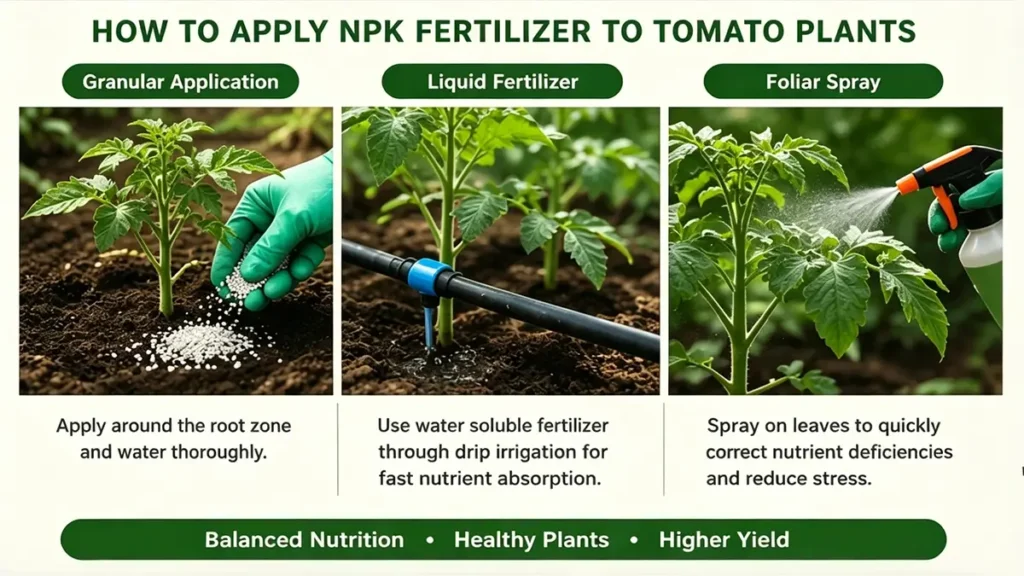
Granular Soil Application
Granular fertilizers provide slow and steady nutrient release.
Application tips:- Apply fertilizer 4–6 inches away from the stem
- Spread evenly around the root zone
- Water thoroughly after application
This method is widely used in commercial tomato farming and home gardening.
Liquid Fertilizer Feeding
Liquid fertilizer and water soluble NPK fertilizer provide faster nutrient availability and rapid plant response.
Benefits include:- Faster nutrient absorption
- Improved nutrient efficiency
- Quick correction of deficiencies
- Better compatibility with fertigation systems
Liquid feeding is especially effective during flowering and fruit development stages.
Foliar Fertilizer Application
Foliar spray fertilizers deliver nutrients directly through the leaves and are commonly used during periods of nutrient stress.
Foliar feeding can help improve:- Flower retention
- Fruit setting
- Micronutrient absorption
- Plant recovery under stress conditions
6. Water Soluble vs Granular Fertilizer
| Fertilizer Type | Advantages | Disadvantages |
|---|---|---|
| Granular Fertilizer | Long-lasting nutrient supply | Slower nutrient release |
| Liquid Fertilizer | Fast nutrient absorption | Requires frequent application |
| Water Soluble Fertilizer | Ideal for drip irrigation and fertigation | Higher management requirements |
7. Tomato Fertilizer Schedule
| Growth Stage | Recommended NPK Ratio | Application Frequency |
|---|---|---|
| Seedling | 10-10-10 | Every 2 weeks |
| Vegetative Growth | 20-10-10 | Every 2–3 weeks |
| Flowering | 5-10-10 | Every 2 weeks |
| Fruiting | 8-16-24 | Weekly or biweekly |
Consistent irrigation is essential to optimize nutrient uptake and prevent fertilizer burn.
8. Common Fertilizer Mistakes in Tomato Farming
Over-Fertilization
Excess fertilizer may cause:
- Root damage
- Salt buildup
- Leaf burn
- Excessive foliage growth
- Reduced flowering
Always follow recommended application rates and avoid excessive nitrogen input.
Nutrient Imbalance
Improper nutrient ratios can negatively affect tomato development.
Common symptoms include:- Poor root growth
- Blossom end rot
- Uneven fruit ripening
- Weak flowering
- Small fruit size
Balanced fertilization combined with proper irrigation management is critical for stable tomato production.
9. Signs of Nutrient Deficiency in Tomato Plantsons
Nitrogen Deficiency
Symptoms:
- Pale green leaves
- Slow vegetative growth
- Reduced vigor
Phosphorus Deficiency
Symptoms:
- Purple leaf coloration
- Delayed flowering
- Weak root systems
Potassium Deficiency
Symptoms:
- Leaf edge scorching
- Poor fruit quality
- Increased disease susceptibility
Regular soil testing and professional fertilizer management help prevent nutrient deficiencies and optimize crop yield.
10. Professional Tips to Increase Tomato Yield
To maximize tomato productivity and fruit quality:
- Use fertile, well-drained soil
- Maintain stable irrigation
- Apply mulch to conserve moisture
- Monitor soil pH regularly
- Use balanced NPK fertilizer programs
- Avoid excessive nitrogen application
- Apply water soluble fertilizer during fruiting stages
- Improve soil organic matter content
The ideal soil pH for tomato cultivation ranges between 6.0 and 6.8.
Many professional growers also choose advanced fertilizer solutions from Terafon Fertilizer to support high-efficiency agriculture, greenhouse cultivation, and sustainable vegetable production.
11. Conclusion
Proper use of NPK fertilizer is one of the most important factors in successful tomato cultivation. Balanced nutrient management improves root development, flowering, fruit quality, and overall crop yield.
By selecting the correct fertilizer ratio for each growth stage and applying nutrients efficiently, growers can significantly increase tomato productivity and improve market quality.
Modern agriculture increasingly relies on water soluble fertilizers, precision fertilization systems, and sustainable nutrient management practices to achieve higher efficiency and long-term soil health. Professional fertilizer suppliers such as Terafon Fertilizer continue to provide advanced fertilizer solutions for commercial farming, greenhouse cultivation, and global agricultural production.
Frequently Asked Questions (FAQ)
Balanced fertilizers such as 10-10-10 are suitable for early growth, while higher phosphorus and potassium ratios like 5-10-10 are ideal during flowering and fruiting stages.
Most tomato plants benefit from fertilization every 2–3 weeks during active growth periods.
Water soluble fertilizers provide faster nutrient absorption and are highly effective for fertigation and greenhouse farming systems.
Yes. Excessive fertilizer application may cause nutrient toxicity, root injury, excessive vegetative growth, and reduced fruit production.
Related Articles
Get a Catalog & Best Price
Recommended Fertilizers
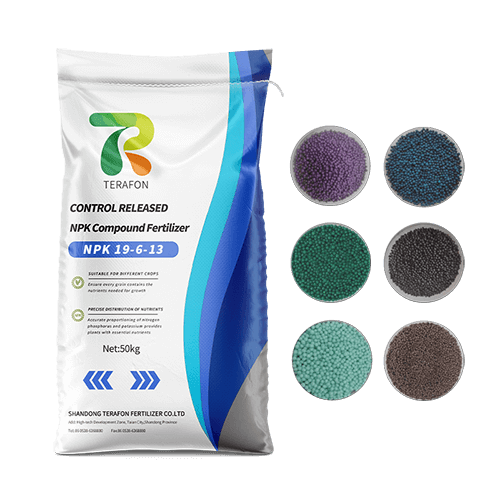
NPK Fertilizer
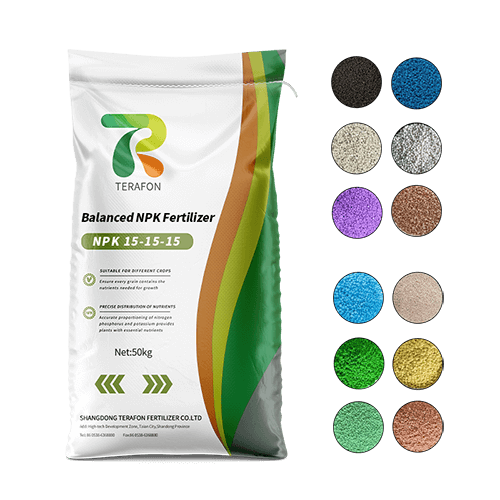
Standard Granular NPK Fertilizer
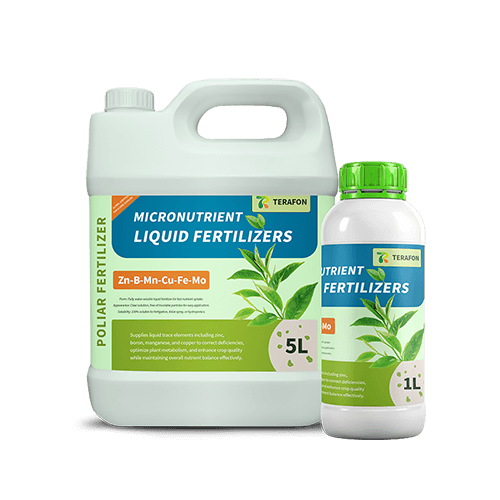
Liquid fertilizers
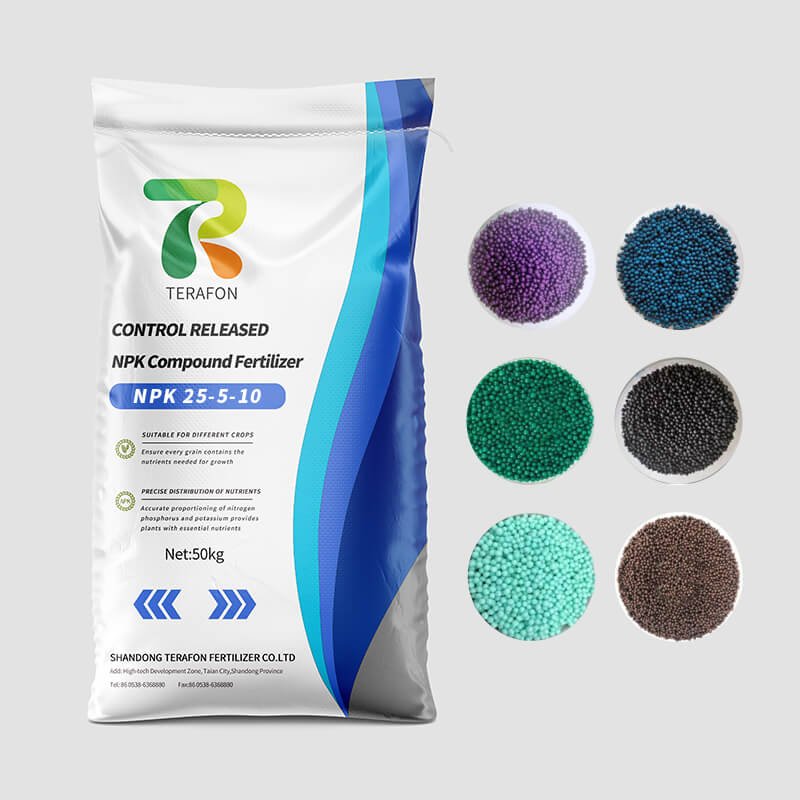
Controlled Release Fertilizer
Suitable Crops
Cereal Crop
Leafy & Fruiting Vegetables
Oil Crops
Fruit Crops
Best NPK Fertilizer for Tomato Plants
Learn how to use NPK fertilizer for tomato plants to improve growth, increase fruit yield, and enhance tomato quality. Discover the best fertilizer ratios, application methods, and feeding tips for healthy tomato production in home gardens, greenhouses, and commercial farming.
