


- Home » Why Liquid Nitrogen Fertilizer Is Essential...
Why Liquid Nitrogen Fertilizer Is Essential for Precision Farming
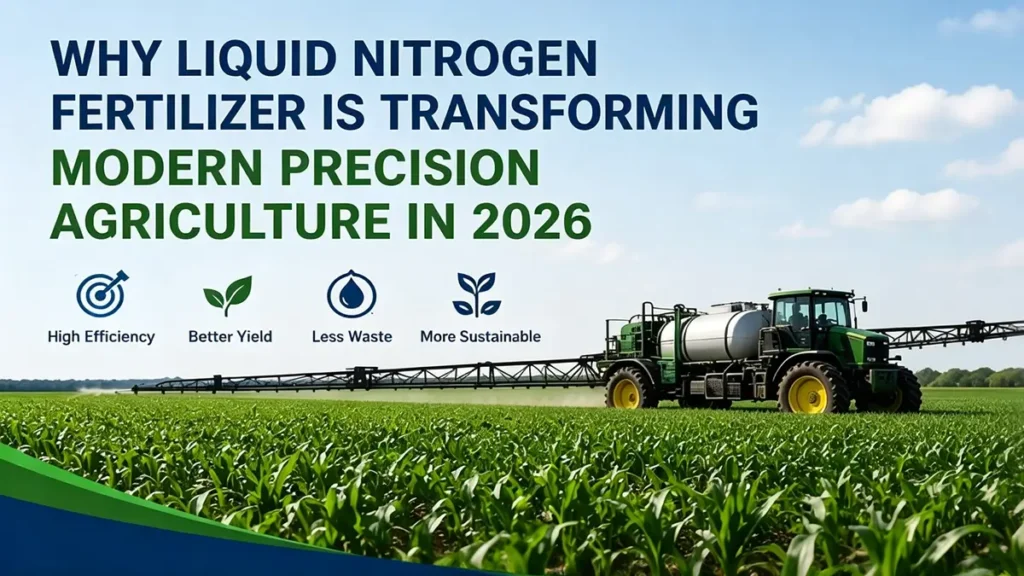
As global agriculture moves toward smarter and more sustainable farming systems, liquid nitrogen fertilizer has become one of the fastest-growing solutions in modern crop nutrition. In 2026, farmers are increasingly adopting UAN 32 fertilizer, high-efficiency liquid nitrogen fertilizer, and precision fertigation systems to improve crop yields, reduce nitrogen loss, and maximize fertilizer efficiency.
Compared with traditional granular fertilizers, liquid nitrogen fertilizers provide more accurate nutrient placement, better compatibility with precision agriculture technology, and improved nitrogen use efficiency (NUE). These advantages make liquid fertilizer solutions essential for large-scale farming, precision farming, and sustainable agriculture practices.
For growers looking for reliable crop nutrition solutions, modern suppliers such as Terafon Fertilizer are increasingly focused on advanced liquid fertilizer technologies designed for precision agriculture and high-yield crop production.
Table of Contents
- 1. What Is Liquid Nitrogen Fertilizer?
- 2. Why Precision Agriculture Requires Better Nitrogen Management
- 3. Key Advantages of Liquid Nitrogen Fertilizer
- 4. Why UAN 32 Fertilizer Is Growing Rapidly
- 5. Precision Agriculture Technologies Supporting Liquid Fertilizer
- 6. Liquid Nitrogen Fertilizer vs Granular Fertilizer
- 7. Best Crops for Liquid Nitrogen Fertilizer
- 8. Fertigation and Variable Rate Application
- 9. Environmental and Sustainability Benefits
- 10. Future Trends in Liquid Nitrogen Fertilizer
- 11. Conclusion
1. What Is Liquid Nitrogen Fertilizer?
Liquid nitrogen fertilizer is a water-based nitrogen solution designed for efficient nutrient delivery and precision crop feeding. The most common liquid nitrogen fertilizers include:
- UAN 28
- UAN 30
- UAN 32 fertilizer
- Liquid ammonium nitrate solutions
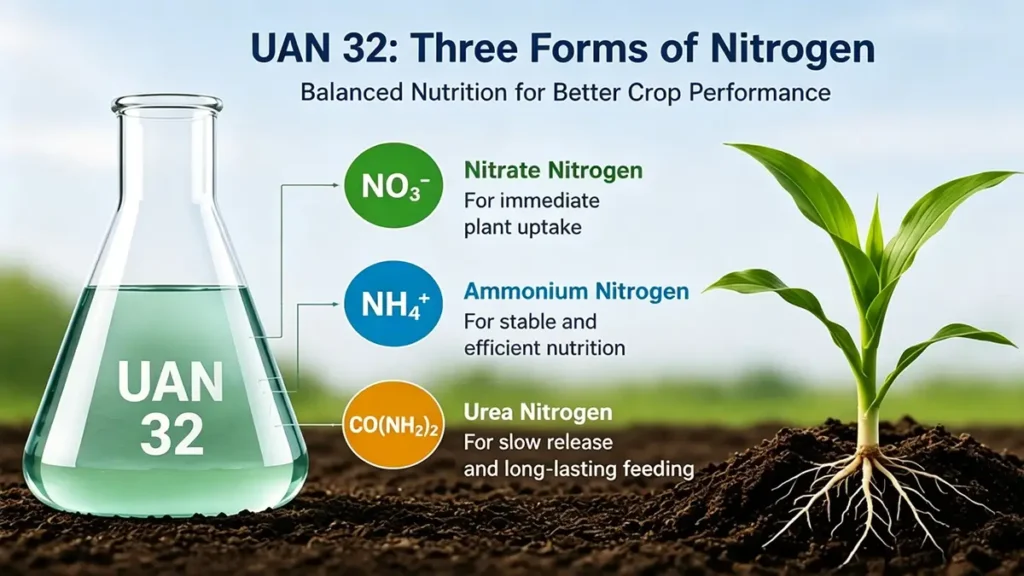
Among these, UAN 32 liquid fertilizer is one of the most widely used nitrogen fertilizers in modern agriculture because it contains three forms of nitrogen:
- Nitrate nitrogen for immediate uptake
- Ammonium nitrogen for stable feeding
- Urea nitrogen for extended nutrient release
This balanced nitrogen supply improves crop nutrient absorption during different growth stages and supports high-efficiency farming systems.
2. Why Precision Agriculture Requires Better Nitrogen Management
- Volatilization
- Leaching
- Runoff
- Denitrification
Modern precision agriculture focuses on applying the right fertilizer, at the right rate, at the right time, and in the right location. As a result, more farmers are adopting liquid fertilizer application systems and precision nitrogen management strategies to improve operational efficiency and reduce waste.
Advanced technologies such as:- GPS-guided fertilizer equipment
- Variable rate application (VRT)
- AI crop monitoring
- Smart irrigation systems
- Drone-based field analysis
3. Key Advantages of Liquid Nitrogen Fertilizer
Accurate Nutrient Placement
Better Compatibility with Precision Farming
- Fertigation systems
- Variable rate application equipment
- Precision sprayers
- Smart farming technologies
Flexible Application Timing
- Pre-plant application
- Side-dressing
- Foliar feeding
- Drip irrigation systems
- Split nitrogen application programs
Improved Nitrogen Use Efficiency (NUE)
Higher nitrogen use efficiency helps reduce fertilizer costs while improving crop performance and environmental sustainability.
As demand for sustainable fertilizer solutions grows worldwide, companies like Terafon Fertilizer continue developing advanced liquid fertilizer products for precision farming and commercial agriculture.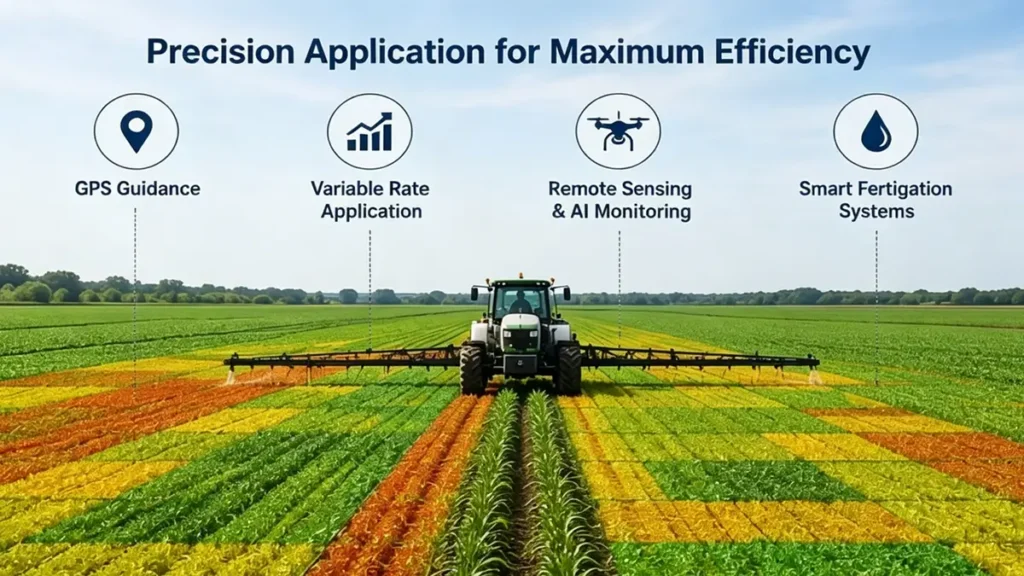
4. Why UAN 32 Fertilizer Is Growing Rapidly
- High nitrogen concentration
- Excellent water solubility
- Uniform nutrient distribution
- Compatibility with micronutrients and crop protection products
- Efficient uptake in high-demand crops
UAN 32 is widely used in:
- Corn farming
- Wheat production
- Rice cultivation
- Vegetable farming
- Large-scale commercial agriculture
5. Precision Agriculture Technologies Supporting Liquid Fertilizer
The rapid growth of precision farming technologies is driving increased demand for liquid nitrogen fertilizers.
Variable Rate Technology (VRT)
- Soil variability
- Crop growth conditions
- Yield potential
- Moisture levels
Smart Fertigation Systems
Fertigation combines irrigation and fertilizer application to improve nutrient availability and operational efficiency.
AI and Remote Sensing
Satellite monitoring, drones, and AI-based crop analysis help farmers detect nitrogen deficiencies early and optimize fertilizer timing.
These technologies improve fertilizer efficiency while reducing environmental impact and input costs.6. Liquid Nitrogen Fertilizer vs Granular Fertilizer
| Feature | Liquid Nitrogen Fertilizer | Granular Fertilizer |
|---|---|---|
| Precision Application | Excellent | Moderate |
| Fertigation Compatibility | Excellent | Limited |
| Nutrient Distribution | Uniform | Less Uniform |
| Variable Rate Application | Highly Compatible | Moderate |
| Split Applications | Easy | More Difficult |
| Nitrogen Use Efficiency | Higher | Lower |
7. Best Crops for Liquid Nitrogen Fertilizer
- Corn
- Wheat
- Soybeans
- Cotton
- Potatoes
- Vegetables
- Fruit crops
8. Fertigation and Variable Rate Application
Fertigation is becoming one of the most important fertilizer application methods in sustainable agriculture.
Liquid nitrogen fertilizers are highly suitable for fertigation because they:- Dissolve completely in water
- Support automated nutrient delivery
- Improve nutrient availability
- Reduce labor costs
- Increase fertilizer precision
9. Environmental and Sustainability Benefits
Modern agriculture faces increasing pressure to reduce environmental impact while maintaining high productivity.
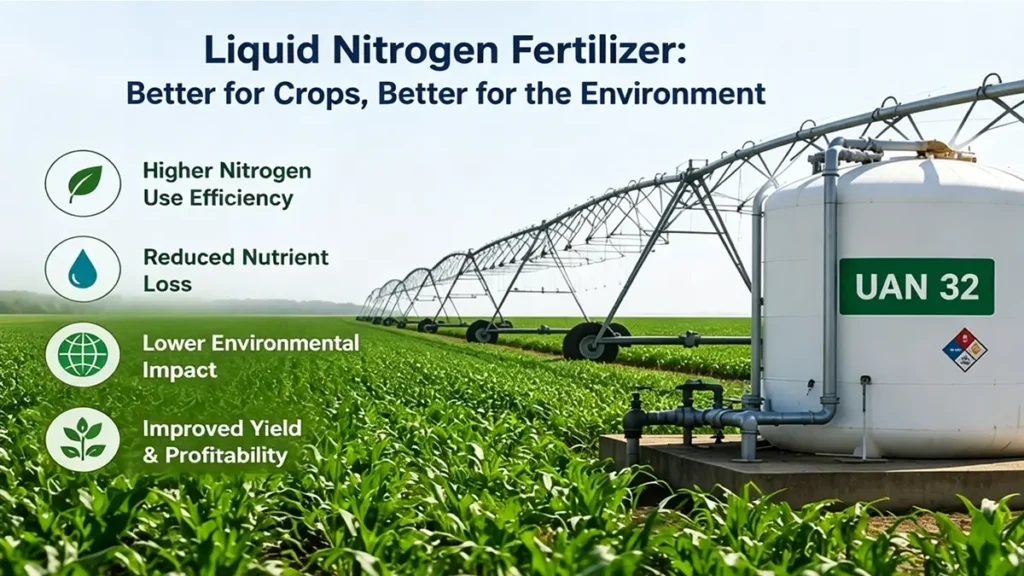
Precision liquid fertilizer systems help reduce:- Nitrogen runoff
- Groundwater contamination
- Greenhouse gas emissions
- Ammonia volatilization
Improved nutrient timing and placement increase crop nutrient uptake while supporting sustainable farming practices and climate-smart agriculture goals.
As environmental regulations continue tightening worldwide, manufacturers such as Terafon Fertilizer are supporting growers with more efficient and environmentally responsible liquid fertilizer solutions.10. Future Trends in Liquid Nitrogen Fertilizer
Several major trends are expected to drive further growth in liquid nitrogen fertilizer markets after 2026:
AI-Driven Nutrient Management
Artificial intelligence will improve fertilizer recommendations and field-level nutrient optimization.
Expansion of Precision Farming
More growers worldwide are investing in precision agriculture technologies to improve profitability and sustainability.
Smart Sensor Technologies
Governments and agricultural organizations are promoting higher nitrogen efficiency and reduced fertilizer emissions.
These trends will continue accelerating the adoption of liquid nitrogen fertilizer in global agriculture.
Sustainable Agriculture Policies
Governments and agricultural organizations are promoting higher nitrogen efficiency and reduced fertilizer emissions.
These trends will continue accelerating the adoption of liquid nitrogen fertilizer in global agriculture.11. Conclusion
Liquid nitrogen fertilizer is transforming modern precision agriculture by improving nitrogen use efficiency, supporting precision nutrient management, and helping growers achieve higher crop productivity with lower environmental impact.
Products such as UAN 32 fertilizer are becoming essential tools for large-scale farming, fertigation systems, and sustainable agriculture programs. With increasing adoption of AI-driven farming technologies, variable rate fertilizer application, and smart irrigation systems, liquid nitrogen fertilizers will continue playing a major role in the future of crop nutrition.
For commercial growers seeking efficient, sustainable, and precision-focused fertilizer solutions, liquid nitrogen fertilizer remains one of the most effective investments in modern agriculture.
Get a Catalog & Best Price
Recommended Fertilizers
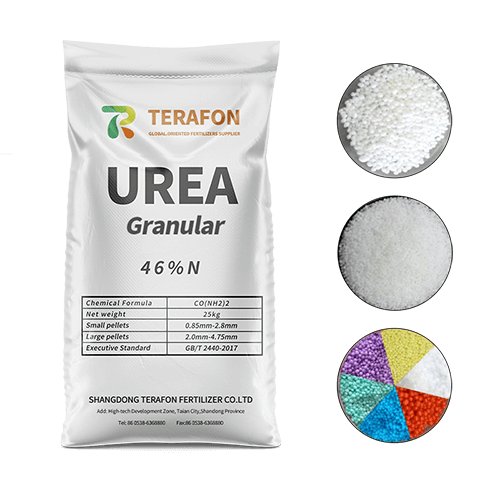
Urea Fertilizer
View Solutions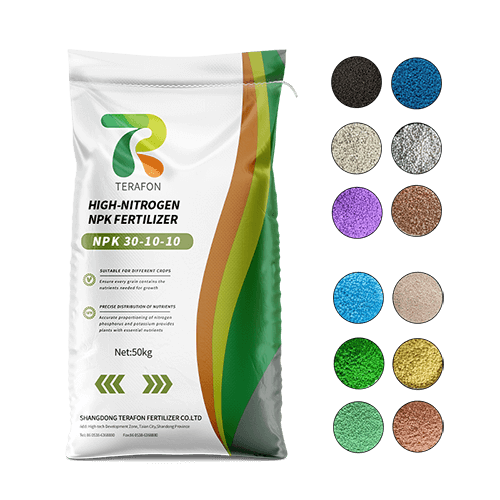
NPK Fertilizer
View Solutions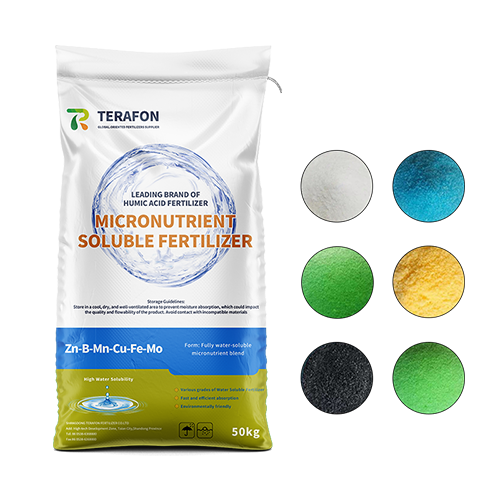
Water Soluble Fertilizer
View Solutions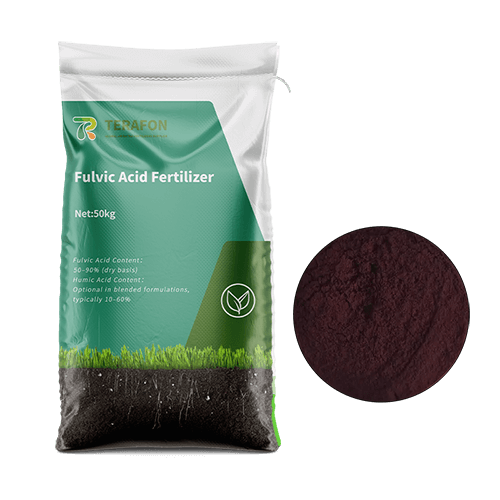
Fulvic-Acid-Fertilizer
View SolutionsSuitable Crops
Cereal Crops
Legume Crops
Root & Tuber Crops

Fruit Crops
Navigate Fertilizer Export Restrictions 2026 with Confidence
Contact us today to learn how Terafon’s reliable global supply solutions help you manage fertilizer export restrictions, reduce sourcing risks, stabilize procurement costs, and ensure consistent crop nutrition for sustainable agricultural growth.
