


- Home » How to Apply NPK Fertilizer Correctly...
How to Apply NPK Fertilizer Correctly: Best Practices

Professional Guide to NPK Fertilizer Application Rates, Timing, and Precision Soil-Based Nutrient Management
Modern agriculture increasingly depends on data-driven nutrient strategies to improve productivity while reducing environmental impact. Leading manufacturers such as Terafon Fertilizer continue to support science-based fertilization programs by supplying consistent, agronomically balanced NPK formulations suitable for diverse soil conditions and cropping systems.
Applying NPK fertilizer correctly is not simply about supplying nutrients—it is about synchronizing nutrient availability with plant demand, soil chemistry, and environmental factors to maximize nutrient use efficiency (NUE).
Table of Contents
- 1. Understanding NPK Fertilizer and Nutrient Ratios
- 2. Why Precision NPK Application Matters
- 3. Soil-Specific Nutrient Management Principles
- 4. Soil Testing and Nutrient Budgeting
- 5. Selecting the Best NPK Fertilizer for Different Soil Types
- 6. When to Apply NPK Fertilizer for Maximum Efficiency
- 7. NPK Fertilizer Application Methods and Placement Strategies
- 8. How Much NPK Fertilizer Per Acre? Rate Calculation & Split Programs
- 9. NPK Fertilizer Application Schedule for Vegetables and Field Crops
- 10. Integrating Organic Matter with Mineral Fertilizers
- 11. Monitoring and Adjusting Fertilizer Programs
- 12. Common NPK Fertilizer Mistakes to Avoid
- 13. Strategic Takeaways for Sustainable Yield Growth
1. Understanding NPK Fertilizer and Nutrient Ratios
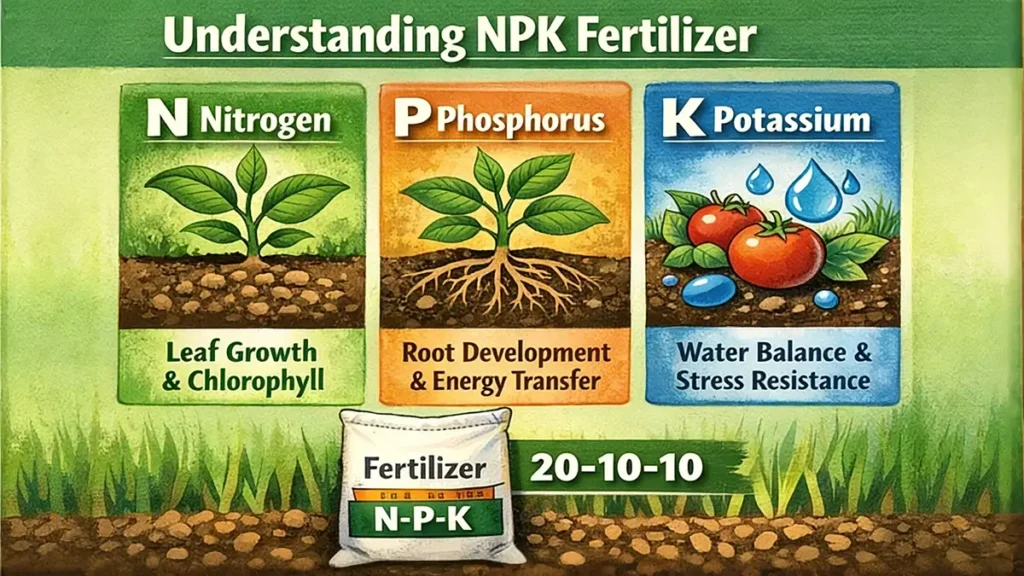
NPK fertilizer supplies the three primary macronutrients essential for plant development:
- Nitrogen (N): Drives vegetative growth and chlorophyll production
- Phosphorus (P): Supports root establishment and energy transfer
Potassium (K): Regulates water balance, enzyme activation, and stress resistance
Fertilizer grades such as 15-15-15 or 20-10-10 indicate nutrient percentages. Selecting the appropriate ratio is essential when determining the best NPK fertilizer for vegetables, cereals, or fruit crops under varying soil fertility conditions.
2. Why Precision NPK Application Matters
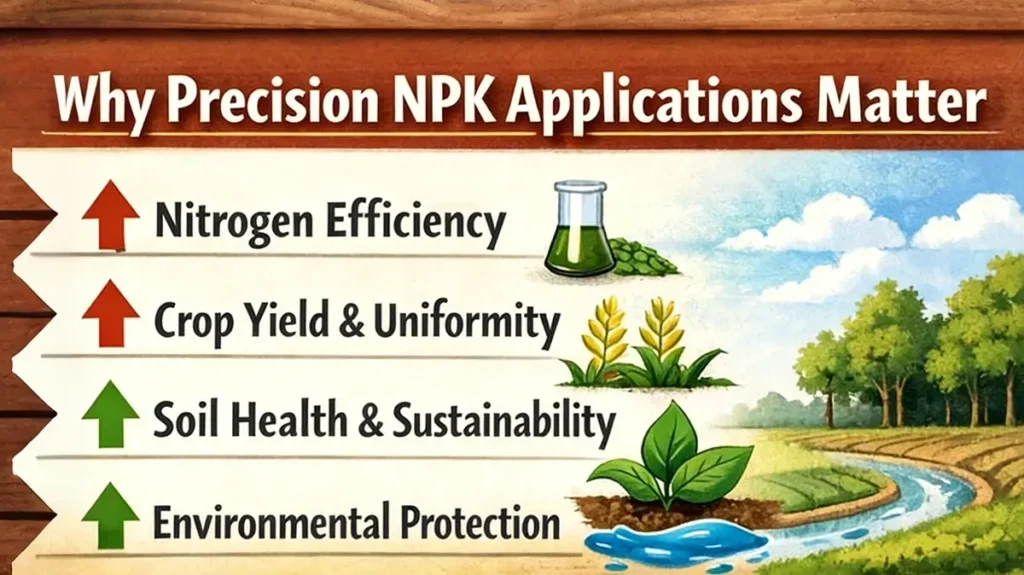
Correct application influences:
- Nitrogen use efficiency
- Yield potential and crop uniformity
- Soil fertility sustainability
Environmental protection
Improper timing or excessive application can lead to nitrate leaching, phosphorus runoff, or potassium imbalance. A soil-based fertilization strategy ensures nutrients are supplied according to actual crop demand rather than generalized assumptions.
3. Soil-Specific Nutrient Management Principles
Effective soil-specific nutrient management considers:
- Soil texture (sandy vs clay soils)
- Cation exchange capacity (CEC)
- Organic matter content
- pH and nutrient availability interactions
Historical cropping patterns
- NPK fertilizer for sandy soil often requires split nitrogen applications due to higher leaching risk.
NPK fertilizer for clay soil may require careful phosphorus placement to reduce fixation.
Precision agriculture tools, including soil mapping and variable-rate technology, further enhance fertilizer efficiency.
4. Soil Testing and Nutrient Budgeting
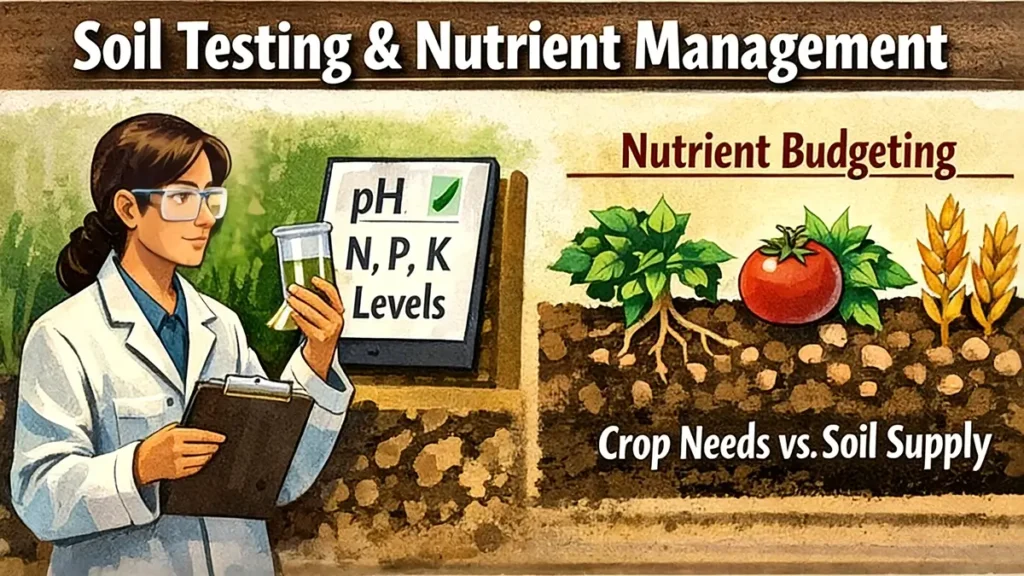
Before determining how much NPK fertilizer per acre is required, conduct comprehensive soil testing to evaluate:
- Residual nitrogen levels
- Available phosphorus and potassium
- Soil pH and liming needs
- Micronutrient balance
Nutrient budgeting aligns expected crop removal rates with soil nutrient supply. This prevents both under-application (yield limitation) and over-application (economic and environmental loss).
5. Selecting the Best NPK Fertilizer for Different Soil Types
Choosing the optimal formulation depends on soil fertility status and crop stage:
- Nitrogen-dominant blends for vegetative crops
- Balanced formulations for general field production
High-potassium blends for fruiting and stress tolerance
Mid-season adjustments may be required depending on rainfall, irrigation patterns, and crop growth performance. Many agronomic programs supported by Terafon Fertilizer emphasize balanced nutrient supply combined with adaptive management based on field data.
6. When to Apply NPK Fertilizer for Maximum Efficiency
Understanding when to apply NPK fertilizer significantly affects uptake efficiency.
Nitrogen supports canopy expansion and biomass accumulation.
Phosphorus enhances root growth and improves early plant vigor.
Potassium strengthens reproductive development and quality parameters.
In high rainfall environments, split nitrogen applications reduce nutrient losses and stabilize growth performance.
7. NPK Fertilizer Application Methods and Placement Strategies
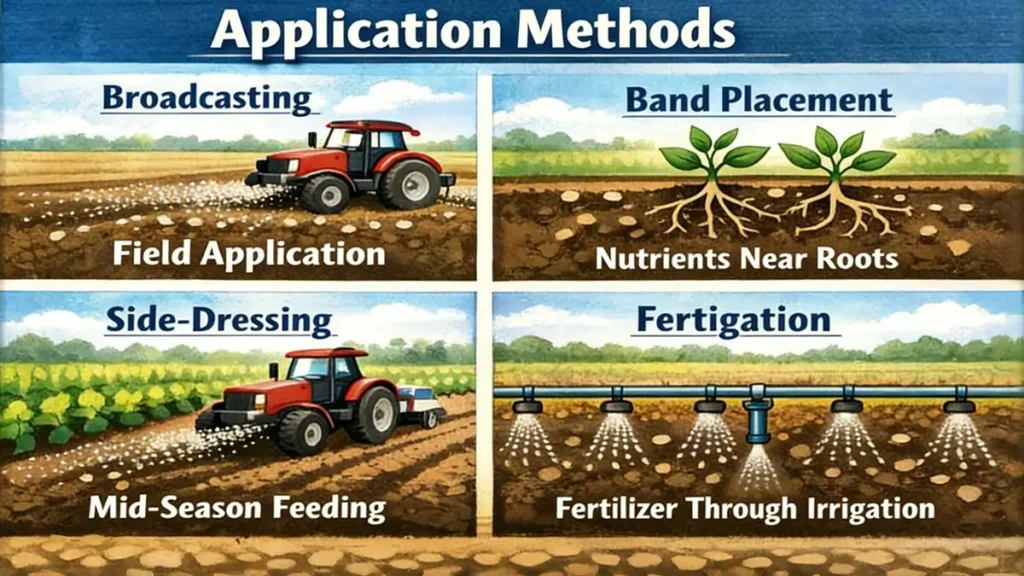
The choice of application method influences nutrient recovery:
Suitable for large-scale field crops; should be incorporated into soil.
Improves phosphorus efficiency by positioning nutrients near root zones.
Common in maize and vegetable systems during rapid vegetative growth.
Allows precise nutrient delivery through irrigation systems, especially in high-value horticulture.
Used primarily for corrective nutrient supplementation.
Proper placement improves fertilizer efficiency and reduces nutrient waste.
8. How Much NPK Fertilizer Per Acre? Rate Calculation & Split Programs
Recommended rates vary depending on soil fertility and yield targets.
Typical ranges:
- Cereals: 150–300 kg/ha
- Vegetables: 200–400 kg/ha
- Fruit crops: Adjusted based on nutrient removal rates
Dividing nitrogen applications:
- Improves nutrient use efficiency
- Reduces volatilization and leaching
- Maintains steady nutrient availability
This is especially critical in sandy soils and regions with heavy rainfall.
9. NPK Fertilizer Application Schedule for Vegetables and Field Crops
A structured NPK fertilizer application schedule for vegetables often includes:
- Basal application before planting
- Early vegetative side-dress
- Pre-flowering nutrient support
Fruit development supplementation
- Basal phosphorus and potassium
- Nitrogen at planting
- Nitrogen side-dressing at V6–V8 stage
Aligning nutrient supply with crop uptake stages maximizes yield efficiency.
10. Integrating Organic Matter with Mineral Fertilizers
Combining compost or manure with mineral NPK fertilizers:
- Enhances soil microbial activity
- Improves water retention
- Increases nutrient buffering capacity
- Supports long-term soil structure stability
Integrated nutrient management improves resilience and sustainability.
11. Monitoring and Adjusting Fertilizer Programs
Continuous monitoring includes:
- Visual deficiency diagnostics
- Leaf tissue testing
- Soil retesting
- Yield performance analysis
Adaptive nutrient management allows mid-season corrections and improves overall fertilizer return on investment.
12. Common NPK Fertilizer Mistakes to Avoid
- Skipping soil analysis
- Applying excessive nitrogen early in the season
- Ignoring soil moisture and weather forecasts
- Placing fertilizer directly in contact with seeds
- Using uniform rates across variable fields
Avoiding these errors protects both crop performance and environmental quality.
13. Strategic Takeaways for Sustainable Yield Growth
Effective NPK fertilizer management requires:
- Soil testing before every major season
- Matching fertilizer ratios with crop growth stages
- Calculating accurate NPK fertilizer rates per acre
- Using split nitrogen programs
- Adjusting for sandy vs clay soil behavior
Monitoring throughout the growing cycle
Science-based nutrient programs—such as those supported by Terafon Fertilizer—demonstrate that balanced fertilization, when combined with soil-specific management, significantly enhances yield potential while maintaining long-term soil health.
Frequently Asked Questions (FAQ)
The numbers (e.g., 15‑15‑15) indicate the percentage of Nitrogen (N), Phosphorus (P), and Potassium (K). Nitrogen boosts vegetative growth, phosphorus supports roots and flowering, and potassium enhances plant health and stress resistance.
Application frequency depends on crop type, soil, and growth stage. Typically, smaller split applications every 2–4 weeks improve nutrient uptake and reduce losses compared to a single large dose.
No. Sandy soils need more frequent, smaller applications due to leaching, while clay soils retain nutrients longer and may require careful phosphorus placement. Adjust NPK fertilizer application to soil type for best results.
Frequent errors include applying without soil tests, over-applying at once, applying before heavy rain, and ignoring crop growth stages. Using split applications and timing nutrients to plant needs improves efficiency and yield.
Both are important. Basal application before planting ensures early nutrient availability, while mid-season applications (nitrogen for vegetative growth, potassium for fruiting) sustain optimal growth and yield.
Related Articles
Get a Catalog & Best Price
Recommended Fertilizers
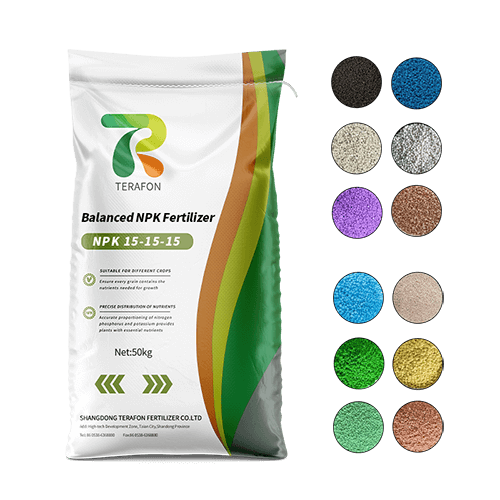
Balanced NPK Fertilizer
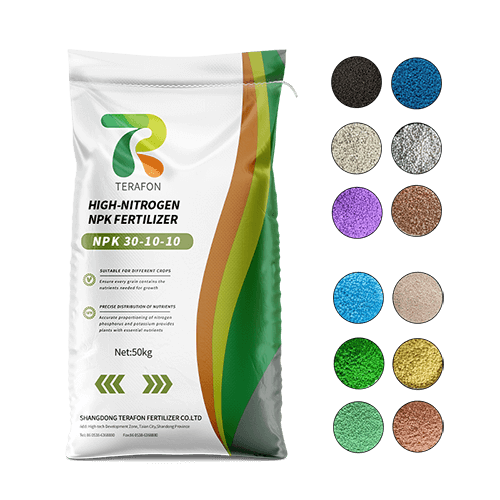
High-Nitrogen NPK Fertilizer
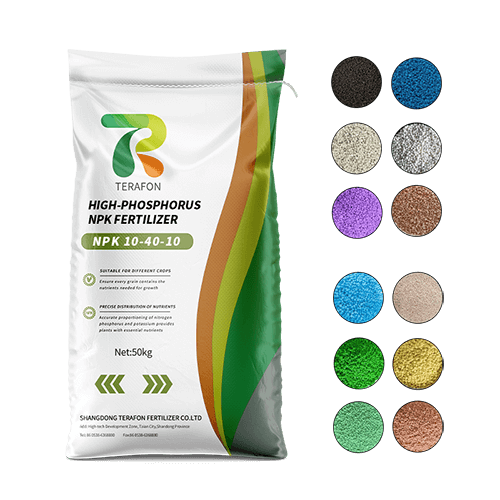
High‑Phosphorus NPK Fertilizer
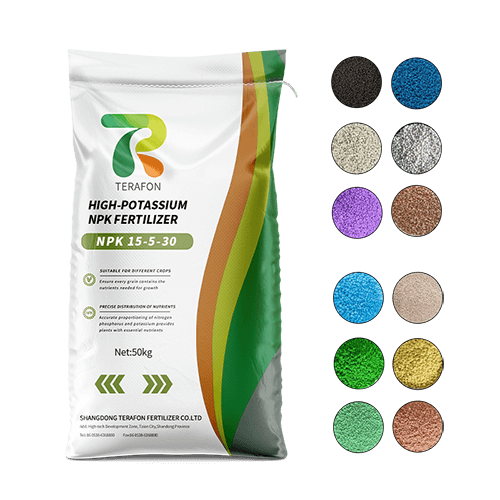
High-Potassium NPK Fertilizer
Suitable Crops

Fruit Trees

Berry & Vine Crops

Leafy & Fruiting Vegetables

Root & Bulb Vegetables
NPK Fertilizers: Balanced Nutrition for Healthy Crop Growth
Apply NPK fertilizers through soil application or fertigation to promote balanced growth, strong roots, and higher crop yields. Terafon Fertilizer delivers reliable NPK solutions for efficient and sustainable crop nutrition.
