


- Home » Why Ammonium Sulfate Is Ideal...
Why Ammonium Sulfate Is Ideal for Alkaline Soils
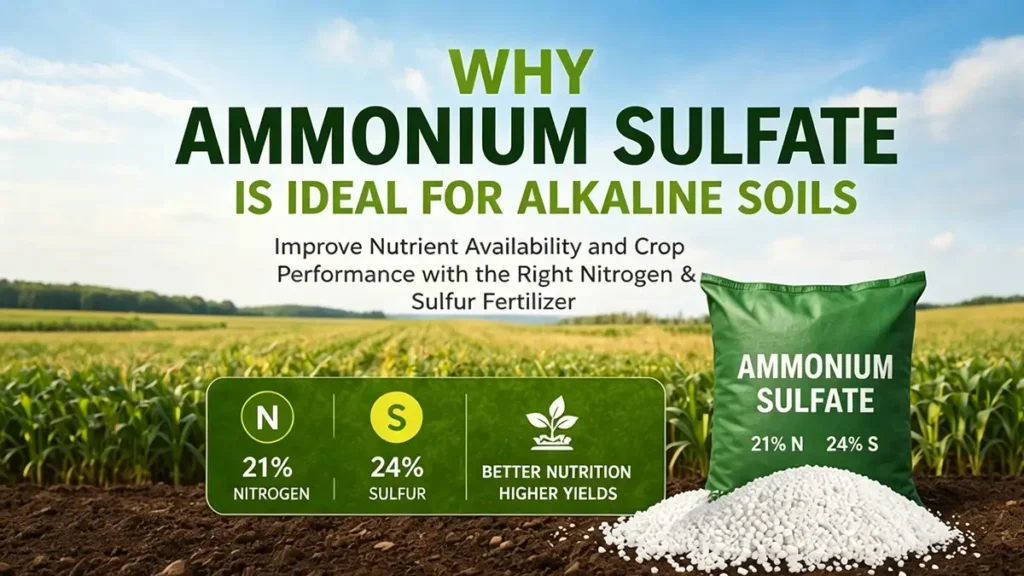
Modern agriculture increasingly faces the challenge of managing alkaline soils, where high soil pH can reduce nutrient availability and limit crop performance. Choosing the right fertilizer is essential to improve nutrient use efficiency and maximize yields. Among the most effective options, ammonium sulfate fertilizer stands out by supplying both nitrogen and sulfur while helping create a more favorable root-zone environment for nutrient uptake.
As a professional fertilizer manufacturer, Terafon Fertilizer provides high-quality ammonium sulfate products for global agriculture. While fertilizer selection should always be based on soil testing and crop requirements, ammonium sulfate remains one of the most widely recommended fertilizers for crops grown in alkaline and calcareous soils.
Table of Contents
1. Understanding Alkaline Soils
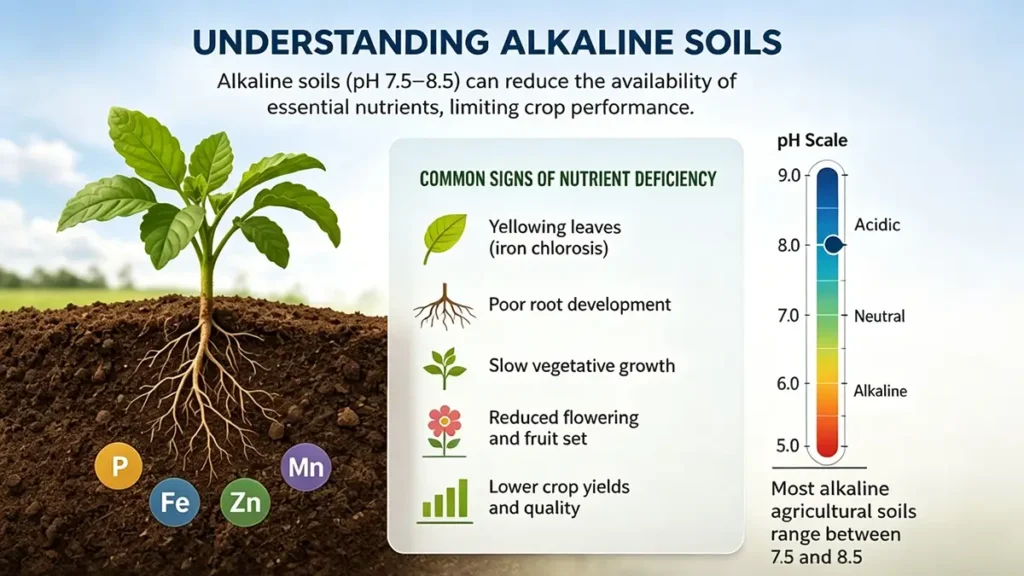
Alkaline soils typically have a pH above 7.0, with many agricultural regions ranging between 7.5 and 8.5. These soils are common in dry and semi-arid climates where calcium carbonate accumulates over time.
Although alkaline soils can be productive, high pH often reduces the availability of essential nutrients such as phosphorus, iron, zinc, and manganese. As a result, crops may experience nutrient deficiencies even when fertilizers have been applied.
Common signs of nutrient deficiency in alkaline soils include:
- Yellowing leaves (iron chlorosis)
- Poor root development
- Slow vegetative growth
- Reduced flowering and fruit set
- Lower crop yields and quality
Selecting the best fertilizer for alkaline soils is therefore an important step in improving crop productivity.
2. What Is Ammonium Sulfate Fertilizer?
Ammonium sulfate is a highly effective nitrogen and sulfur fertilizer containing approximately:
- 21% Nitrogen (N)
- 24% Sulfur (S)
It supplies nitrogen in the ammonium form and sulfur as sulfate, both of which are readily available for plant uptake.
Compared with fertilizers that provide only nitrogen, ammonium sulfate delivers two essential nutrients in one application, making it an excellent choice for sulfur-deficient soils and crops with high sulfur demand.
3. Why Ammonium Sulfate Works Well in Alkaline Soils
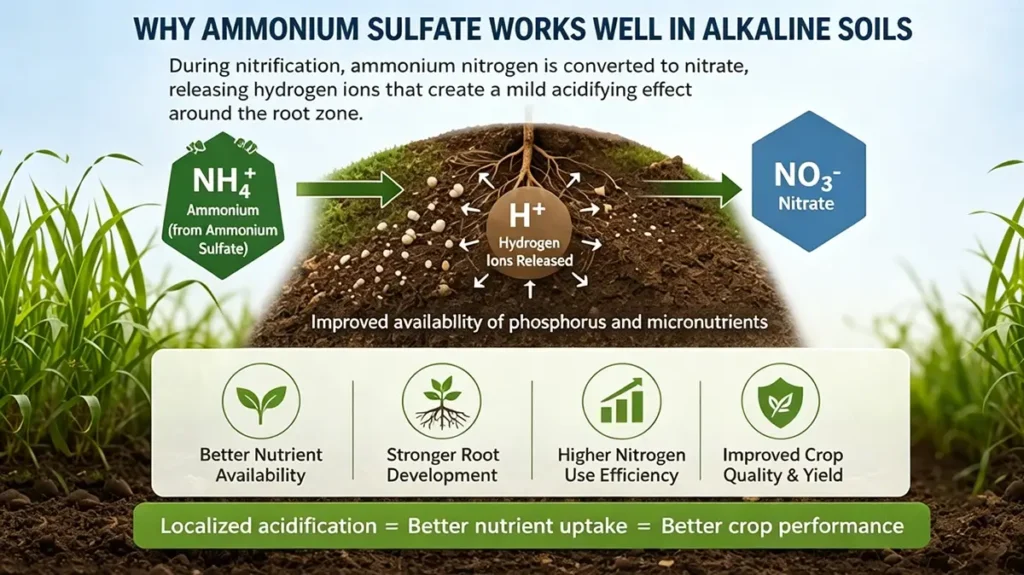
One of the biggest advantages of ammonium sulfate fertilizer for alkaline soils is its acid-forming effect during the nitrification process.
As ammonium nitrogen is converted into nitrate by soil microorganisms, hydrogen ions are released around the root zone. This localized acidification can improve the availability of phosphorus and several micronutrients that are often locked up in high-pH soils.
Although ammonium sulfate will not rapidly lower the pH of an entire field, it can significantly improve nutrient availability where plant roots are actively growing. This makes it one of the best fertilizers for high pH soils, especially when used as part of a balanced nutrient management program.
4. Key Benefits of Ammonium Sulfate
4.1 Provides Nitrogen and Sulfur Together
Nitrogen promotes healthy leaf and stem growth, while sulfur is essential for protein formation, enzyme activity, and chlorophyll production. Applying both nutrients together helps support balanced crop development.
4.2 Improves Nutrient Availability
The mild acidifying effect around the root zone enhances the uptake of phosphorus, iron, zinc, and manganese, helping crops perform better in alkaline soils.
4.3 Supports Higher Nitrogen Use Efficiency
Compared with some nitrogen fertilizers, ammonium sulfate can improve nitrogen utilization when applied correctly, reducing nutrient losses and increasing fertilizer efficiency.
4.4 Promotes Strong Root Development
Healthy roots absorb water and nutrients more effectively. Balanced nitrogen and sulfur nutrition encourages vigorous root growth, improving plant resilience throughout the growing season.
4.5 Enhances Crop Quality
Sulfur plays a key role in protein synthesis and improves the quality of grains, oilseed crops, vegetables, and many high-value horticultural crops.
5. Best Crops for Ammonium Sulfate
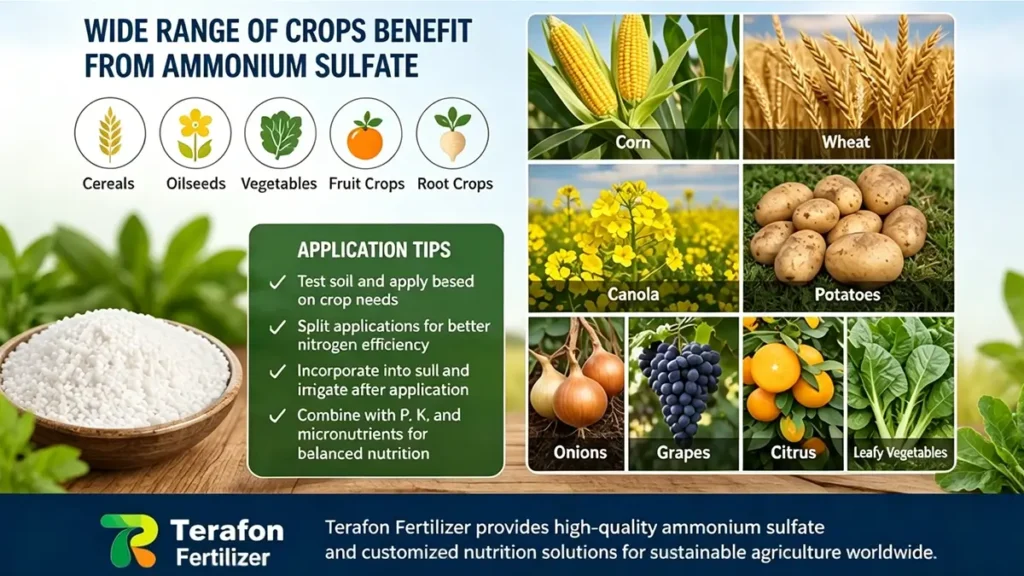
Ammonium sulfate is suitable for a wide range of field crops, vegetables, and fruit trees, particularly those grown in alkaline or calcareous soils.
Common applications include:
- Wheat
- Corn (Maize)
- Rice
- Cotton
- Canola
- Soybeans
- Potatoes
- Sugar Beet
- Citrus
- Grapes
- Tomatoes
- Onions
- Garlic
- Leafy Vegetables
Sulfur-demanding crops such as canola, onions, garlic, and brassicas often respond especially well to ammonium sulfate fertilization.
6. Professional Tip
Many growers combine ammonium sulfate with phosphorus and potassium fertilizers to create a balanced nutrition program. Terafon Fertilizer offers customized fertilizer solutions designed to meet different crop requirements, soil conditions, and regional farming practices, helping growers improve nutrient efficiency without changing their overall fertilization strategy.
7. Best Application Tips
To achieve the best results, follow these recommendations:
- Conduct a soil test before application.
- Apply fertilizer according to crop nutrient requirements.
- Split nitrogen applications during key growth stages.
- Incorporate fertilizer into the soil whenever possible.
- Irrigate after surface application to reduce nitrogen loss.
- Combine with phosphorus, potassium, and micronutrients for balanced nutrition.
Proper application timing and placement can significantly improve fertilizer efficiency and crop performance.
8. Ammonium Sulfate vs. Urea
Both ammonium sulfate and urea are excellent nitrogen fertilizers, but they serve different purposes.
| Feature | Ammonium Sulfate | Urea |
|---|---|---|
| Nitrogen | 21% | 46% |
| Sulfur | 24% | None |
| Best for Alkaline Soils | Excellent | Good |
| Improves Sulfur Nutrition | Yes | No |
| Helps Nutrient Availability | Yes | Limited |
If sulfur deficiency is a concern or crops are grown in alkaline soils, ammonium sulfate is often the preferred choice. Urea remains an economical nitrogen source but may require additional sulfur fertilization to achieve balanced crop nutrition.
9. Conclusion
Managing alkaline soils requires more than simply adding nitrogen. A balanced nutrient strategy that includes sulfur can significantly improve nutrient availability, crop growth, and fertilizer efficiency.
As a reliable nitrogen and sulfur fertilizer, ammonium sulfate provides an effective solution for growers seeking better performance in high-pH soils. When combined with soil testing and sound nutrient management practices, it can help increase yields, improve crop quality, and support long-term soil productivity.
Whether you are growing cereals, oilseeds, vegetables, or fruit crops, choosing a high-quality fertilizer is essential for consistent results. Terafon Fertilizer is committed to supplying premium ammonium sulfate fertilizers and customized crop nutrition solutions to help growers achieve sustainable agricultural success worldwide.
Frequently Asked Questions (FAQ)
Ammonium sulfate fertilizer is used to supply nitrogen and sulfur, improve nutrient availability, and support healthy crop growth, especially in alkaline and sulfur-deficient soils.
Ammonium sulfate creates localized acidity around plant roots, helping improve the availability of phosphorus and micronutrients in high-pH soils while supplying essential nitrogen and sulfur.
Yes. Ammonium sulfate has an acidifying effect during nitrification, gradually reducing pH around the root zone and improving nutrient uptake in alkaline soils.
Corn, wheat, rice, canola, cotton, potatoes, vegetables, and many fruit crops benefit from ammonium sulfate, particularly when grown in alkaline or sulfur-deficient soils.
In many alkaline soils, ammonium sulfate is preferred because it provides both nitrogen and sulfur while improving nutrient availability. The best choice depends on soil conditions and crop requirements.
Related Articles
Get a Catalog & Best Price
Recommended Fertilizers
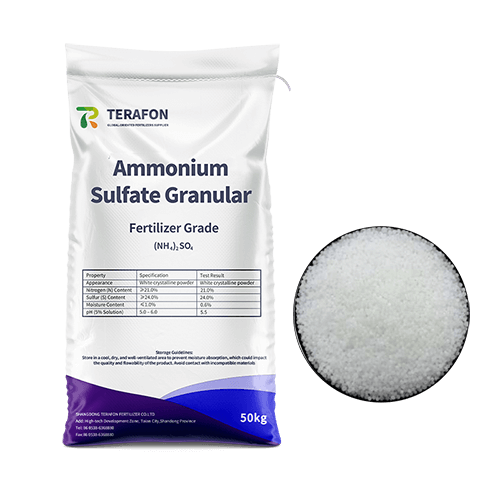
Ammonium Sulfate Fertilizer
Ammonium Bicarbonate
Ammonium Chloride
Nitrogen Fertilizers
Suitable Crops

Cereal Crop

Leafy & Fruiting Vegetables

Oil Crops

Fruit Crops
Why Ammonium Sulfate Is Ideal for Alkaline Soils
Learn how ammonium sulfate fertilizer improves nutrient availability in alkaline soils, supports healthy crop growth, and enhances fertilizer efficiency for better crop performance.
