


- Home » NPK Fertilizer Export Regulations...
NPK Fertilizer Export Regulations: What Buyers Need to Know in 2026
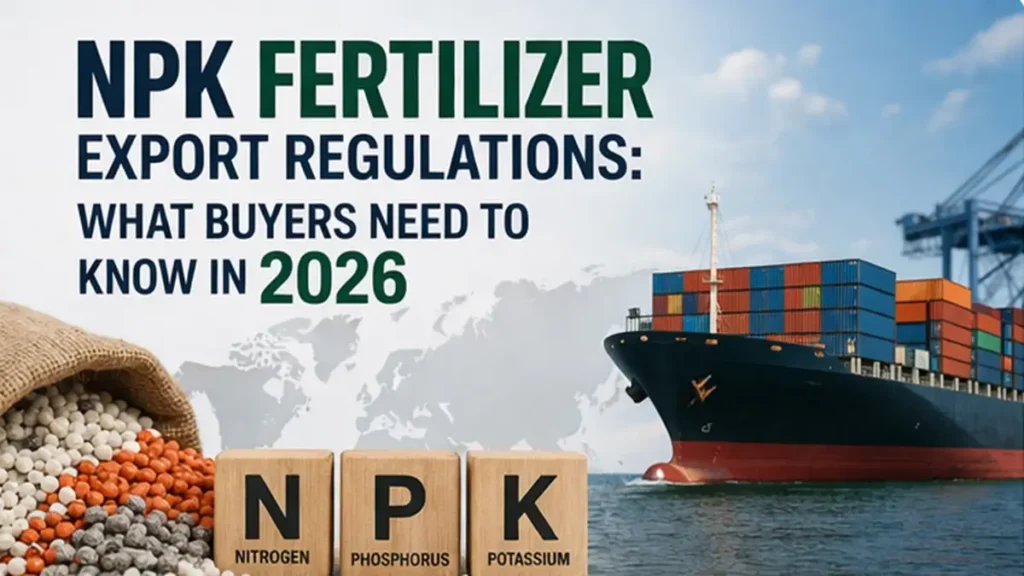
In 2026, the global fertilizer industry is undergoing significant transformation, driven by regulatory tightening, geopolitical uncertainty, and shifting supply-demand dynamics. As demand for bulk NPK fertilizer supply continues to grow, buyers must navigate an increasingly complex landscape of export controls and trade policies.
Working with experienced suppliers such as Terafon Fertilizer can help international buyers better understand compliance requirements while maintaining stable procurement channels in a volatile market.
Understanding NPK fertilizer export regulations in 2026 is now essential for importers, distributors, and agricultural enterprises aiming to secure reliable supply and competitive pricing.
Table of Contents
- 1. Why Fertilizer Export Regulations Matter in 2026
- 2. Geopolitical Risks and Middle East Supply Disruptions
- 3.Key Exporting Countries and Their Policies
- 4. Common Export Restrictions on NPK Fertilizers
- 5. Documentation & Compliance Requirements
- 6. Impact of Regulations on Global Fertilizer Prices
- 7. How Buyers Can Mitigate Risks
- 8. Future Trends in Fertilizer Trade Regulations
- 8. Conclusion
1. Why Fertilizer Export Regulations Matter in 2026?
Export regulations are no longer just administrative procedures—they are key drivers of the global fertilizer market trends in 2026.
Governments worldwide are implementing stricter controls to:
- Safeguard domestic agricultural productivity
- Stabilize fertilizer prices in local markets
- Reduce environmental impact
- Strengthen national food security strategies
As a result, buyers sourcing from international markets must evaluate both supplier reliability and regulatory stability, especially when engaging in large-scale or long-term procurement.
2. Geopolitical Risks and Middle East Supply Disruptions
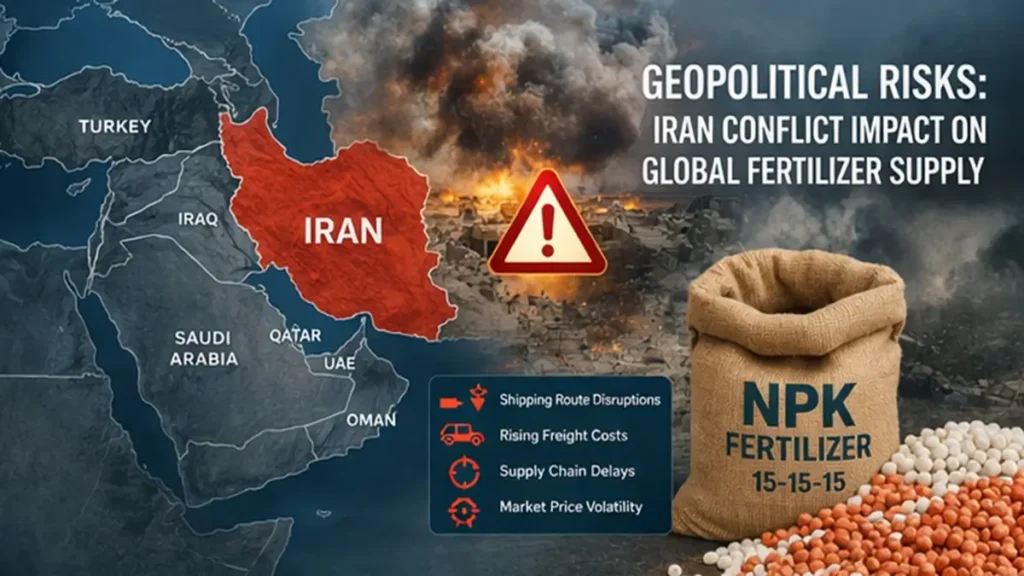
One of the most critical developments affecting fertilizer trade in 2026 is the ongoing geopolitical tension in the Middle East, particularly involving Iran and surrounding regions.
The region plays a vital role in global fertilizer supply, especially for nitrogen-based and compound fertilizers. Recent conflicts and instability have introduced several risks:
- Shipping route disruptions in key maritime corridors
- Increased freight and insurance costs
- Delays in fertilizer exports from major production hubs
- Reduced production capacity due to energy supply constraints
For buyers relying on Middle East fertilizer suppliers, these factors can significantly impact delivery timelines and pricing. Monitoring geopolitical developments, including Iran-related tensions, has become essential for managing procurement risk.
3. Key Exporting Countries and Their Policies
China
China continues to be a dominant player in the global NPK fertilizer export market, but its regulatory framework includes export inspections, quotas, and seasonal restrictions. Buyers sourcing NPK fertilizers from China should plan ahead to avoid peak-season limitations.
Russia
- Russia remains a major supplier of nitrogen and potash fertilizers. Export quotas and crops
Middle East (Saudi Arabia, Qatar)
Despite geopolitical uncertainties, the Middle East remains a key supplier. Many buyers prefer stable partnerships and long-term contracts to secure supply continuity.
Southeast Asia
Export policies in Southeast Asia can fluctuate based on domestic demand, affecting short-term supply of compound fertilizers.
4. Common Export Restrictions on NPK Fertilizers
Understanding regulatory mechanisms is crucial for navigating international fertilizer trade compliance.
Export Quotas
Limitations on export volumes that directly impact global supply.
Export Tariffs
Additional duties that influence the final cost of bulk fertilizer imports.
Licensing Systems
Mandatory approvals that can delay shipment schedules.
Inspection & Certification
Quality and environmental compliance checks before export clearance.
Seasonal Export Controls
Temporary restrictions during domestic planting seasons.
At this stage, working with experienced exporters like Terafon Fertilizer can help buyers streamline documentation and avoid compliance-related delays.
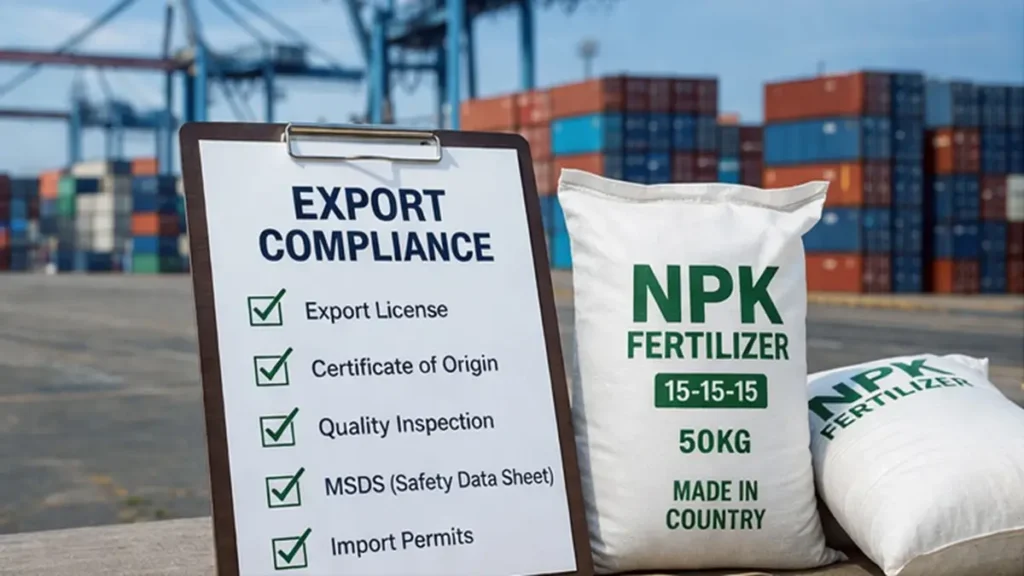
5. Documentation & Compliance Requirements
To ensure smooth international transactions, buyers must prepare:
- Commercial Invoice
- Packing List
- Certificate of Origin
- Quality Inspection Certificate
- MSDS (Material Safety Data Sheet)
- Import permits and regulatory approvals
Proper documentation is essential to avoid shipment rejection, customs delays, or additional costs.
6. Impact of Regulations on Global Fertilizer Prices
Export restrictions and geopolitical risks are key drivers behind fertilizer price volatility in 2026.
Key impacts include:
- Reduced supply → Rising global fertilizer prices
- Policy uncertainty → Market instability
- Logistics disruptions → Increased procurement costs
Additionally, geopolitical tensions—particularly in energy-producing regions—continue to influence production costs, further affecting the fertilizer price forecast for 2026.
7. How Buyers Can Mitigate Risks
To ensure consistent supply and cost efficiency, buyers should adopt strategic sourcing practices:
Diversify Supplier Base
Work with multiple global NPK fertilizer suppliers to reduce dependency on any single region.
Monitor Regulatory and Geopolitical Developments
Stay informed about export policies and regional conflicts that may impact supply chains.
Secure Long-Term Supply Agreements
Lock in pricing and availability through reliable contracts.
Partner with Experienced Exporters
Choose suppliers familiar with international regulations and logistics.
Plan Procurement Cycles Strategically
Avoid peak restriction periods and high-demand seasons.
8. Future Trends in Fertilizer Trade Regulations
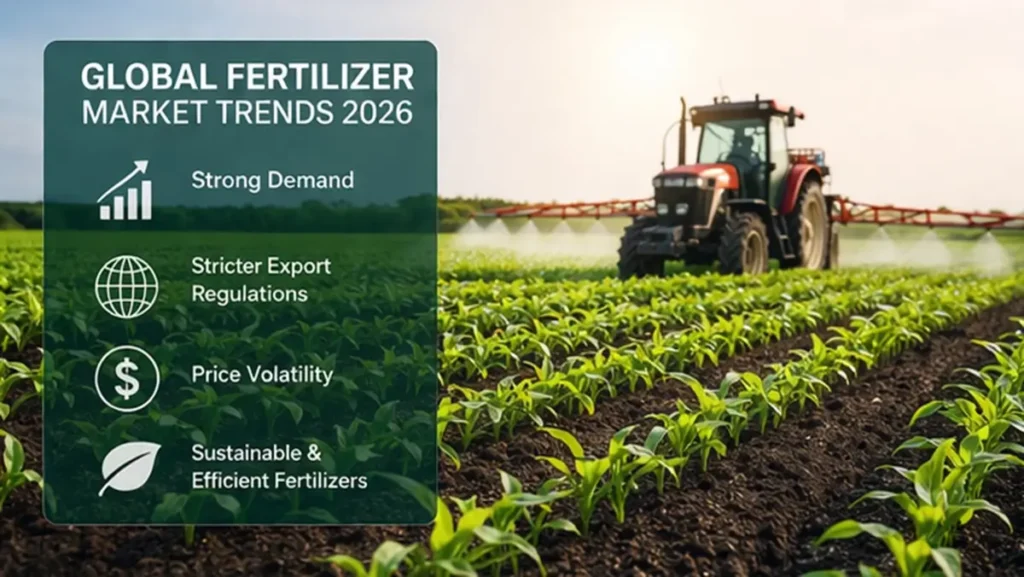
Looking forward, several trends will shape the fertilizer industry:
- Stricter environmental compliance standards
- Increased digitalization of trade and documentation
- Greater regional self-sufficiency initiatives
- Continued influence of geopolitical risks on supply chains
Buyers who align their sourcing strategies with these trends will gain a competitive advantage.
9. Conclusion
In 2026, navigating NPK fertilizer export regulations requires more than just market knowledge—it demands a strategic, informed approach that considers regulatory, economic, and geopolitical factors.
Partnering with trusted suppliers such as Terafon Fertilizer can help buyers ensure compliance, reduce risk, and maintain a stable supply chain in an increasingly complex global market.
Frequently Asked Questions (FAQ)
NPK fertilizer export regulations in 2026 mainly include export quotas, licensing systems, tariffs, and quality inspections. Many countries also apply seasonal restrictions to protect domestic supply.
Countries restrict fertilizer exports to ensure food security, stabilize local prices, and maintain sufficient supply for domestic agriculture.
Export restrictions reduce global supply, leading to higher prices and increased volatility in the global fertilizer market.
Major NPK fertilizer exporters include China, Russia, and Middle East countries such as Saudi Arabia and Qatar.
Key documents include a commercial invoice, packing list, certificate of origin, quality certificate, MSDS, and import permits.
Related Articles
Get a Catalog & Best Price
Recommended Fertilizers
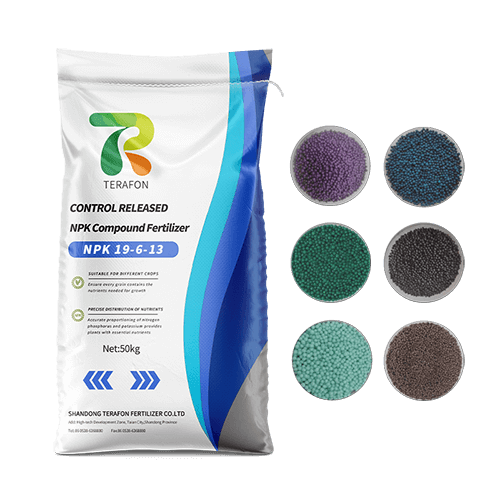
NPK Fertilizer
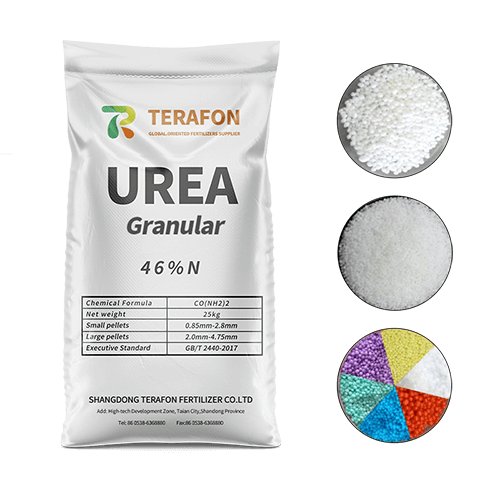
Nitrogen Fertilizers

Water-Soluble Fertilizers

Humic acid Fertilizer
Suitable Crops
Cereal Crop

Leafy & Fruiting Vegetables

Oil Crops

Fruit Crops
NPK Fertilizer Export Regulations: What Buyers Need to Know in 2026
Understand global NPK fertilizer export regulations, including quotas, tariffs, and compliance requirements. Navigate supply risks, optimize sourcing strategies, and ensure stable procurement in a volatile global market.
