


- Home » How Fulvic Acid Fertilizer Enhances Nutrient...
How Fulvic Acid Fertilizer Enhances Nutrient Absorption
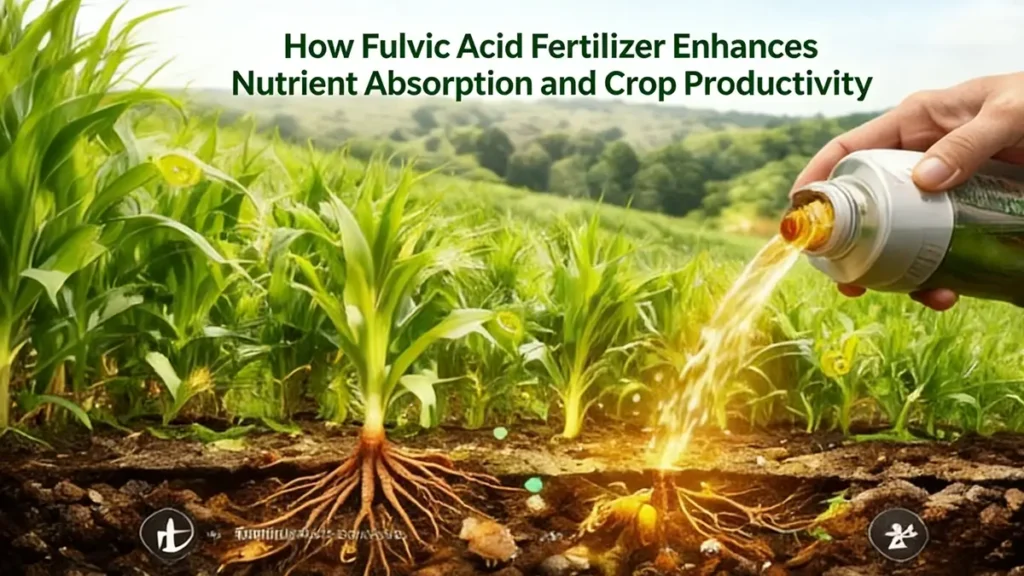
In modern agriculture, improving nutrient use efficiency has become essential for achieving higher crop yields while maintaining soil health. Fulvic acid fertilizer is increasingly recognized as an effective solution because it enhances nutrient availability, stimulates root development, and improves plant metabolic activity.
Many growers integrate fulvic acid into their fertilization programs to improve plant nutrient uptake efficiency, soil fertility, and crop productivity. Agricultural suppliers such as Terafon Fertilizer provide fulvic-acid-based products designed to complement conventional fertilizers and support more efficient nutrient management in modern farming systems.
This article explains the scientific mechanisms behind fulvic acid fertilizers and how they contribute to improved nutrient absorption and sustainable crop production.
Table of Contents
- 1. What Is Fulvic Acid Fertilizer
- 2. Why Nutrient Absorption Efficiency Matters in Agriculture
- 3. How Fulvic Acid Improves Plant Nutrient Uptake
- 4. Chelation: The Key Mechanism of Fulvic Acid
- 5. Fulvic Acid and Root System Development
- 6. Improving Soil Structure and Nutrient Availability
- 7. Fulvic Acid and Micronutrient Efficiency
- 8. Effects on Crop Growth, Yield, and Stress Resistance
- 9. Application Methods of Fulvic Acid Fertilizer
- 10. Crops That Benefit Most from Fulvic Acid
- 11. Fulvic Acid vs Humic Acid
- Conclusion
1. What Is Fulvic Acid Fertilizer
Fulvic acid fertilizer is a natural plant biostimulant derived from humic substances present in soil organic matter. As the smallest molecular fraction of humic materials, fulvic acid is highly soluble and biologically active.
Because of its low molecular weight and strong chelating capacity, fulvic acid can interact with mineral nutrients and improve their mobility in soil and plant tissues. This makes it widely used in modern crop nutrition programs focused on improving nutrient uptake in plants and enhancing fertilizer efficiency.
Unlike conventional fertilizers that mainly supply nutrients, fulvic acid functions as a nutrient transporter and soil activator, helping plants absorb nutrients more efficiently.
2. Why Nutrient Absorption Efficiency Matters in Agriculture
A significant portion of applied fertilizers is often lost through leaching, volatilization, or chemical fixation in soil. For example:
- Nitrogen losses may exceed 30–50% in some cropping systems
- Phosphorus frequently becomes immobilized in alkaline or calcareous soils
Micronutrients such as iron and zinc may become unavailable to plants
Improving fertilizer use efficiency and plant nutrient absorption is therefore essential for reducing input costs and protecting the environment. Fulvic acid fertilizer helps address these challenges by improving nutrient availability and stimulating plant nutrient transport processes.
3. How Fulvic Acid Improves Plant Nutrient Uptake
One of the most important benefits of fulvic acid fertilizer is its ability to enhance nutrient absorption and nutrient translocation in plants.
Fulvic acid molecules interact with plant root membranes and stimulate metabolic activity, which improves the plant’s ability to absorb nutrients such as nitrogen, phosphorus, potassium, and essential micronutrients.
By improving root absorption capacity and nutrient mobility, fulvic acid supports more efficient uptake of soil nutrients and applied fertilizers, helping plants achieve balanced nutrition during critical growth stages.
4. Chelation: The Key Mechanism of Fulvic Acid
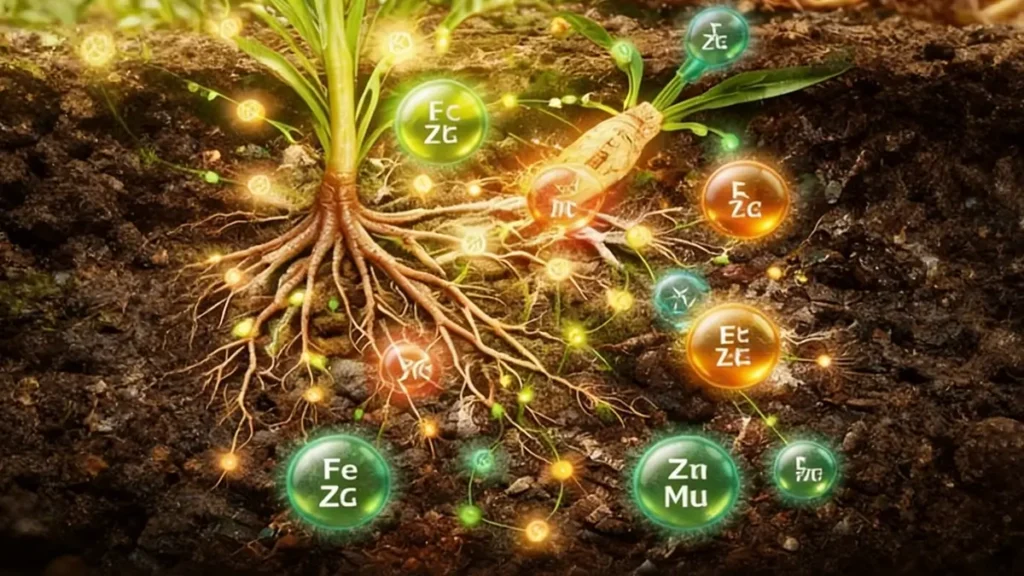
Chelation is one of the primary mechanisms that explains how fulvic acid fertilizers improve nutrient availability.
Fulvic acid can bind with mineral elements such as:
Through this chelation process, nutrients remain in soluble and plant-available forms, preventing them from becoming locked in the soil. This process significantly improves micronutrient availability and nutrient uptake efficiency, especially in soils where nutrient fixation is common.
5. Fulvic Acid and Root System Development
A healthy root system is the foundation of efficient nutrient absorption.
Fulvic acid fertilizers stimulate several aspects of root growth, including:- Root elongation
- Lateral root formation
Root hair development
These changes increase the root surface area, allowing plants to explore a larger soil volume and access more nutrients and water.
Enhanced root development is particularly beneficial during early growth stages, when crops require efficient nutrient uptake to support rapid vegetative growth.

6. Improving Soil Structure and Nutrient Availability
In addition to its direct effects on plants, fulvic acid also improves soil conditions.
It helps:- Increase soil microbial activity
- Improve soil aggregation and structure
- Enhance water retention and aeration
Improve nutrient mobility in the root zone
These improvements create a more favorable environment for root development and nutrient cycling.
Many integrated fertilization programs combine traditional fertilizers with fulvic acid soil conditioners to improve soil fertility and long-term agricultural productivity.
7. Fulvic Acid and Micronutrient Efficiency
Micronutrients are essential for plant metabolism but are often difficult for plants to absorb due to soil chemistry.
Fulvic acid improves micronutrient availability and foliar nutrient absorption by increasing mineral solubility and transport within plant tissues.
For example, fulvic acid can improve the uptake of important trace elements such as iron, zinc, and manganese, which play key roles in photosynthesis, enzyme activity, and plant metabolism.
Because of this ability, fulvic acid fertilizers are commonly used in foliar fertilizer programs designed to correct micronutrient deficiencies.
8. Effects on Crop Growth, Yield, and Stress Resistance
By improving nutrient efficiency and plant metabolism, fulvic acid fertilizers can contribute to several agronomic benefits.
Improved Vegetative Growth
Enhanced nutrient uptake supports stronger plant growth and improved photosynthetic activity.
Higher Crop Productivity
Better nutrient utilization allows plants to convert nutrients into biomass and yield more efficiently.
Improved Stress Tolerance
Fulvic acid can help plants tolerate environmental stress conditions such as drought, salinity, and nutrient imbalance.
For these reasons, many growers include fulvic acid products from suppliers such as Terafon Fertilizer as part of integrated crop nutrition strategies designed to support consistent crop performance.

9. Application Methods of Fulvic Acid Fertilizer
Fulvic acid fertilizers can be applied using several methods depending on the crop production system.
Soil Application
Applied directly to soil to improve nutrient availability and soil biological activity.
Fertigation
Mixed with irrigation water for efficient delivery to the root zone.
Foliar Application
Sprayed on leaves to enhance micronutrient absorption and rapid plant nutrient uptake.
Combining these methods with conventional fertilizers can significantly improve nutrient use efficiency in modern agriculture.
10. Crops That Benefit Most from Fulvic Acid
Fulvic acid fertilizers are widely used in many agricultural systems, including:
- Vegetable crops such as tomatoes, cucumbers, and peppers
- Field crops including corn, wheat, and rice
- Fruit crops such as citrus, grapes, and apples
Commercial crops including cotton and sugarcane
These crops often respond positively to fulvic acid through improved root growth, better nutrient absorption, and enhanced yield potential.
11. Fulvic Acid vs Humic Acid
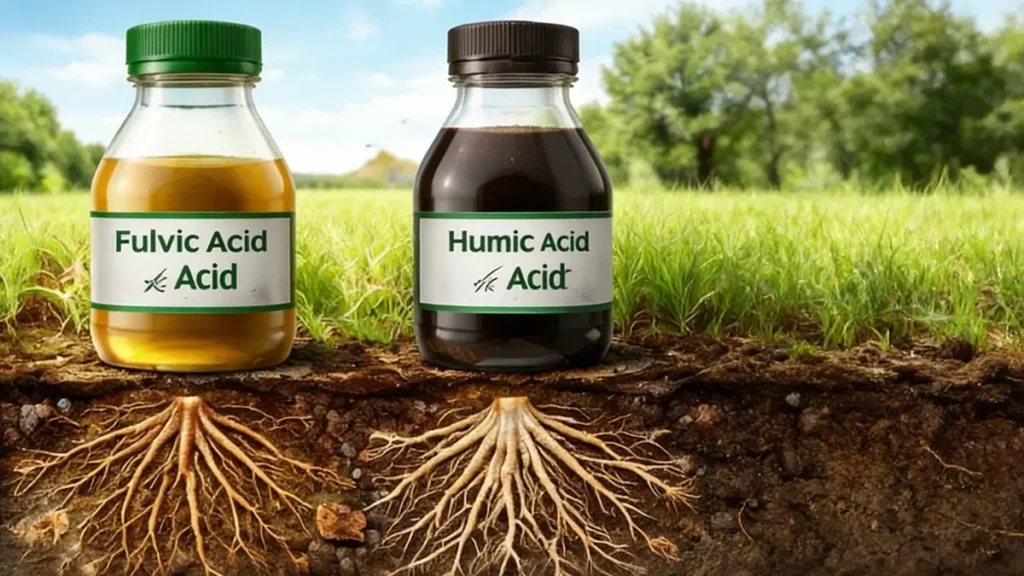
Although fulvic acid and humic acid both originate from humic substances, they differ in several ways.
| Feature | Fulvic Acid | Humic Acid |
|---|---|---|
| Molecular weight | Low | Higher |
| Solubility | Soluble in water at all pH levels | Limited solubility |
| Plant absorption | Rapid | Slower |
| Main role | Nutrient transport and chelation | Soil conditioning |
Because fulvic acid molecules are smaller, they are more easily absorbed by plant roots and leaves, making them highly effective in improving nutrient uptake efficiency.
Conclusion
Fulvic acid fertilizer plays an important role in improving nutrient availability, enhancing root development, and supporting efficient plant nutrient absorption. By acting as a natural chelating agent and soil activator, fulvic acid helps plants utilize nutrients more effectively while improving soil health.
As agriculture continues to focus on sustainable crop nutrition and efficient fertilizer management, fulvic acid fertilizers are becoming a valuable component of integrated fertilization programs. When used alongside balanced nutrient management strategies and products from reputable suppliers such as Terafon Fertilizer, fulvic acid can help growers improve nutrient efficiency, support soil fertility, and achieve higher and more stable crop productivity.
Frequently Asked Questions (FAQ)
Fulvic acid fertilizer offers several important agronomic benefits, including:
Improved nutrient absorption
Enhanced root development
Increased nutrient availability in soil
Better plant growth and photosynthesis
Higher crop yield and stress tolerance
These benefits make fulvic acid an important component of sustainable crop nutrition programs.
Fulvic acid acts as a natural chelating agent, binding with minerals such as iron, zinc, and manganese to keep them soluble and available for plant uptake. This process prevents nutrients from becoming fixed in the soil and improves their absorption through plant roots and leaves.
Yes. Fulvic acid fertilizer is often applied together with NPK fertilizers to improve nutrient efficiency. It helps increase nitrogen utilization, enhance phosphorus availability, and promote balanced nutrient uptake, leading to improved crop growth and productivity.
Fulvic acid fertilizer can be applied using several methods:
Soil application to improve soil fertility and root development
Fertigation through irrigation systems
Foliar spraying for rapid micronutrient absorption
Foliar application is particularly effective for delivering trace elements directly to plant tissues.
Fulvic acid fertilizer can be used on a wide range of crops, including vegetables, cereals, fruit crops, and commercial crops such as cotton and sugarcane. These crops often show improved root growth, nutrient uptake, and yield performance when fulvic acid is included in fertilization programs.
Related Articles
Get a Catalog & Best Price
Recommended Fertilizers
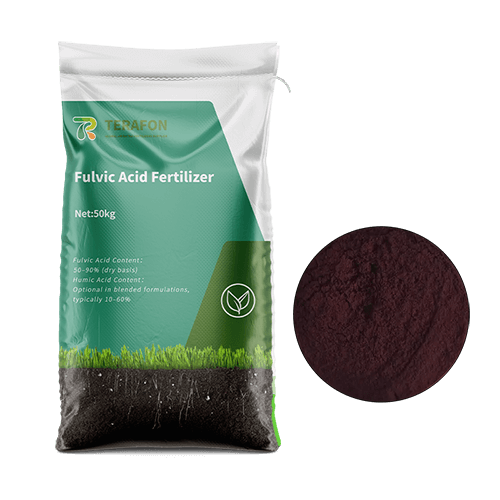
Fulvic Acid Fertilizer
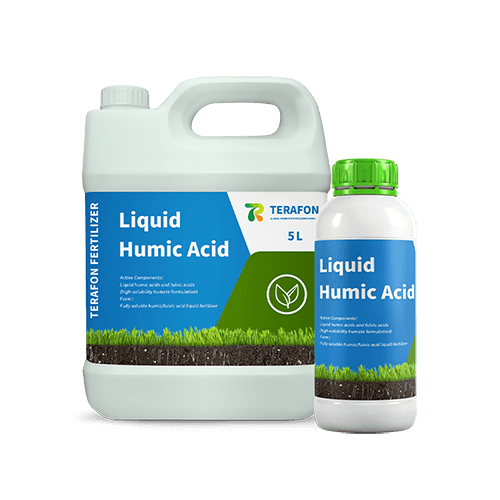
Liquid-Humic-Acid
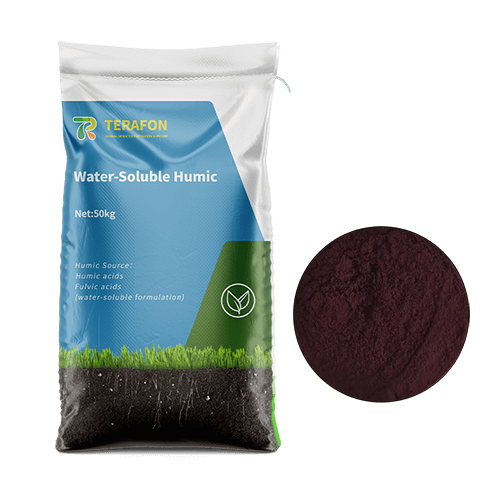
Water-Soluble-Humic Fertilizer
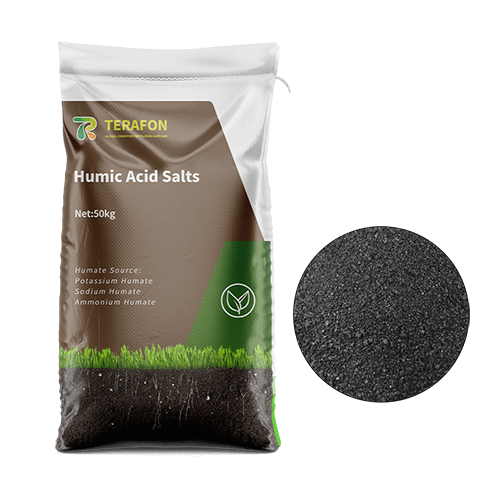
Humic Acid Fertilizer
Suitable Crops

Cereal Crop

Fruit Trees

Berry & Vine Crops

Leafy & Fruiting Vegetables
Fulvic Acid Fertilizer: Improving Nutrient Absorption
Apply fulvic acid fertilizer through soil, fertigation, or foliar spray to enhance nutrient uptake and support healthy crop growth. Terafon Fertilizer provides reliable fulvic acid solutions for efficient crop nutrition.
