


- Home » 15-15-15 vs 20-20-20 Fertilizer...
15-15-15 vs 20-20-20 Fertilizer: Which Is Better?
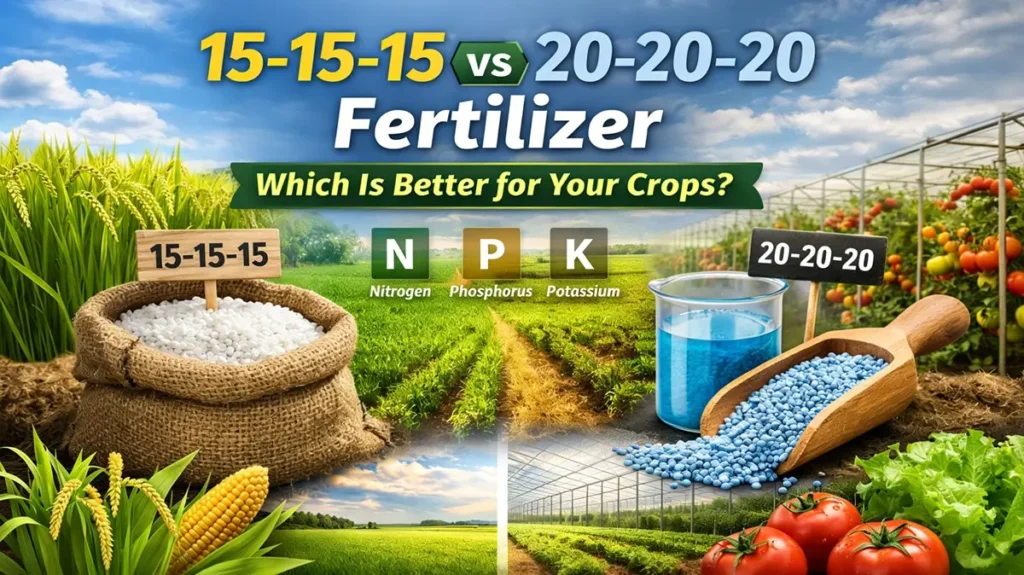
Selecting the right fertilizer is essential for achieving high crop yields and maintaining soil health. Many growers and distributors often ask:
“15-15-15 vs 20-20-20 fertilizer—which one is better for crops?”
Both fertilizers are widely used balanced NPK formulations, but they differ in nutrient concentration, application method, and crop suitability. Understanding how to use NPK fertilizer effectively can significantly improve nutrient efficiency and agricultural productivity.
This guide provides a comprehensive and professional comparison, helping you determine the most suitable fertilizer based on your crop type, soil condition, and farming practices.
🌱 Professional Insight: High-quality balanced fertilizers, such as those supplied by Terafon Fertilizer, are widely used in modern agriculture to support consistent crop performance and efficient nutrient management across different farming systems.
Table of Contents
1. What Do NPK Numbers Mean?
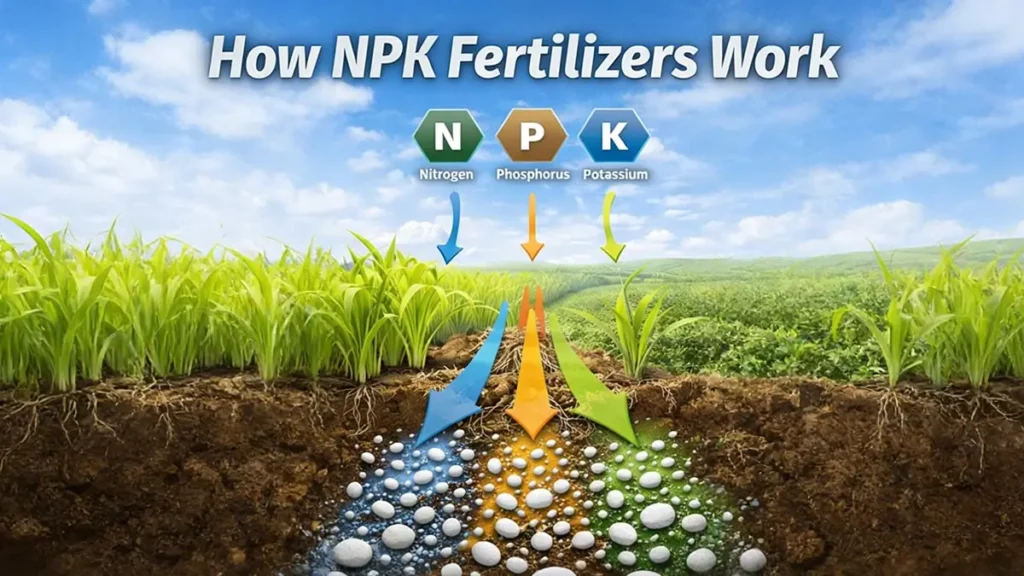
NPK fertilizers supply three primary macronutrients:
- Nitrogen (N): Promotes vegetative growth
- Phosphorus (P): Supports root development and flowering
- Potassium (K): Enhances plant resistance and quality
The numbers (e.g., 15-15-15 or 20-20-20) indicate the percentage of each nutrient.
👉 Key difference:
- 15-15-15 = moderate nutrient concentration
- 20-20-20 = higher concentration and faster nutrient delivery
This makes 20-20-20 particularly effective in systems requiring rapid nutrient uptake and quick plant response.
2. Overview of 15-15-15 Fertilizer
🔹 Key Features
- Balanced ratio (1:1:1)
- Granular form
- Moderate nutrient release
🔹 Benefits
15-15-15 is commonly used as a general-purpose fertilizer for soil application, especially in large-scale farming.
- Stable nutrient supply
- Reduced risk of over-fertilization
- Suitable for improving soil fertility
🔹 Typical Uses
- Rice, corn, wheat
- Basal fertilization
- Broad-acre agriculture
👉 It is often recommended for growers looking for a cost-effective NPK fertilizer per acre.
3. Overview of 20-20-20 Fertilizer
🔹 Key Features
- Higher nutrient concentration
- Commonly available as water-soluble fertilizer
- Fast-acting
🔹 Benefits
20-20-20 is ideal for growers seeking quick nutrient correction and high efficiency.
- Rapid absorption
- Suitable for foliar spray and fertigation
- High nutrient utilization
er development
🔹 Typical Uses
- Vegetables and fruits
- Greenhouse production
- Hydroponic systems
👉 Frequently used in precision agriculture and intensive cultivation systems.
ces grain formation
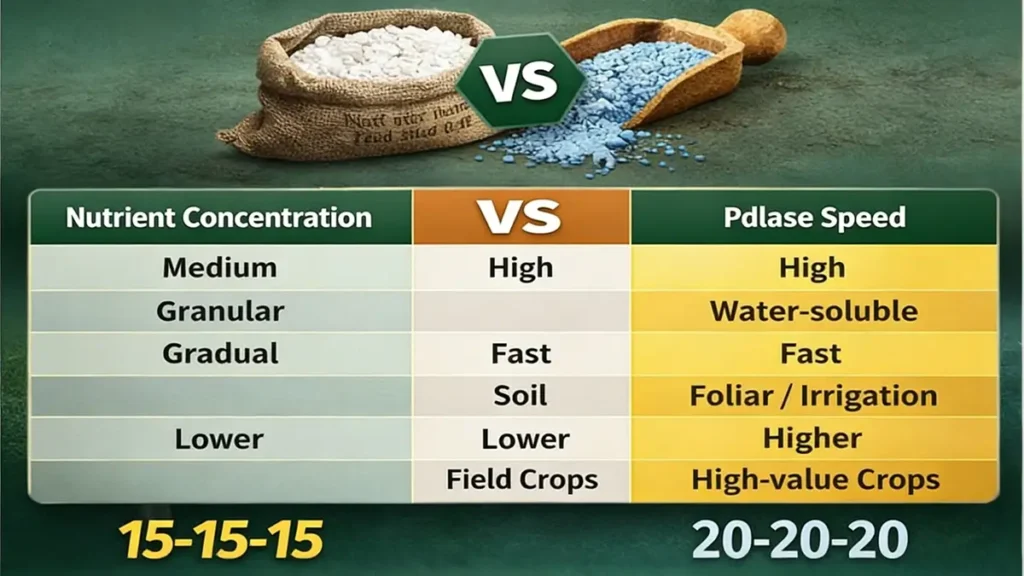
4. Key Differences: 15-15-15 vs 20-20-20
| Feature | 15-15-15 | 20-20-20 |
|---|---|---|
| Nutrient Concentration | Medium | High |
| Form | Granular | Water-soluble |
| Release Speed | Gradual | Fast |
| Application | Soil | Foliar / irrigation |
| Risk | Lower | Higher |
| Best Use | Field crops | High-value crops |
👉 In practice:
- 15-15-15 supports long-term soil fertility
- 20-20-20 delivers rapid nutrient availability
5 Which Fertilizer Is Best for Different Crops?
🌾 Field Crops
For crops like rice and corn, 15-15-15 remains a reliable option.
✔ Consistent nutrient release
✔ Suitable for large-scale application
🥬 Vegetables and Fruits
20-20-20 is better suited for growers aiming to improve yield and quality.
✔ Faster nutrient uptake
✔ Supports flowering and fruiting
🌱 Greenhouse & Controlled Environments
Water-soluble fertilizers such as 20-20-20 provide precise nutrient control.
✔ Immediate plant response
✔ High efficiency
🌳 Soil Fertility Improvement
15-15-15 is ideal for baseline nutrient management.
🌿 Industry Note: Many professional growers prefer sourcing from reliable manufacturers like Terafon Fertilizer to ensure consistent nutrient composition, stable quality, and suitability for both field crops and intensive farming systems.
6. Application Methods and Best Practices
🔹 How to Use 15-15-15 Fertilizer
- Apply before planting
- Mix evenly into soil
- Adjust application rate based on soil testing and crop requirements
🔹 How to Use 20-20-20 Fertilizer
- Dissolve in water
- Apply via fertigation or foliar spray
- Use during active growth stages
👉 Proper application ensures maximum nutrient efficiency and improved crop performance.
7. Common Mistakes to Avoid
❌ Overuse of high-concentration fertilizers
❌ Ignoring soil nutrient analysis
❌ Incorrect timing of application
❌ Improper dilution for water-soluble fertilizers
👉 Avoiding these mistakes helps maintain balanced plant nutrition and optimal yield.

8. Conclusion
Both fertilizers play important roles, depending on agricultural needs:
- 15-15-15 fertilizer is ideal for:
- Soil improvement
- Cost-effective large-scale use
- Stable nutrient supply
- 20-20-20 fertilizer is ideal for:
- Fast nutrient delivery
- High-value crops
- Precision agriculture
👉 The best choice depends on your crop type, soil condition, and fertilization strategy.
🌍 Final Recommendation: For growers seeking consistent quality and tailored fertilizer solutions, working with established suppliers such as Terafon Fertilizer can help ensure reliable performance across different crops and application systems.
Frequently Asked Questions (FAQ)
The main difference lies in nutrient concentration and application method. 20-20-20 is more concentrated and fast-acting.
20-20-20 is generally more effective due to its rapid absorption and suitability for fertigation.
Yes, but the dosage must be carefully adjusted to prevent over-fertilization.
Granular fertilizers are best for soil application, while water-soluble fertilizers are ideal for foliar and irrigation systems.
Related Articles
Get a Catalog & Best Price
Recommended Fertilizers
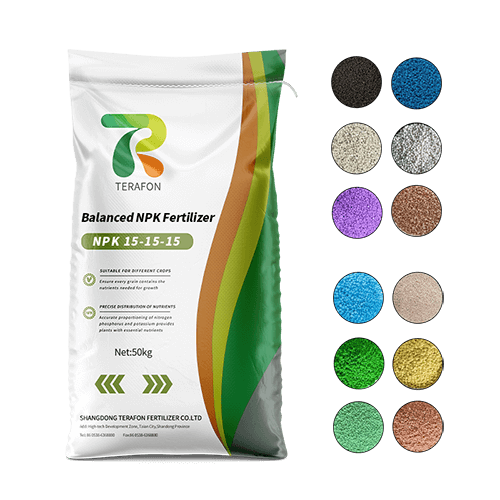
NPK-15-15-15
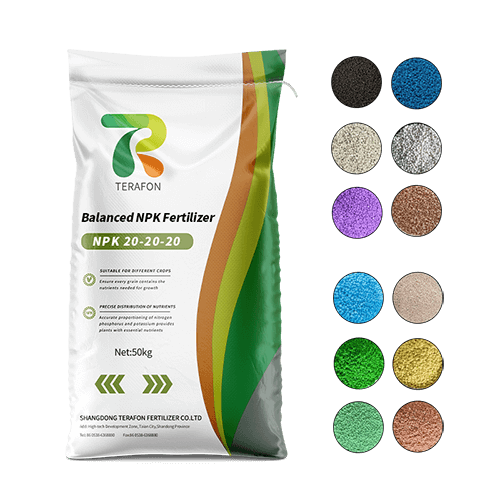
NPK-20-20-20
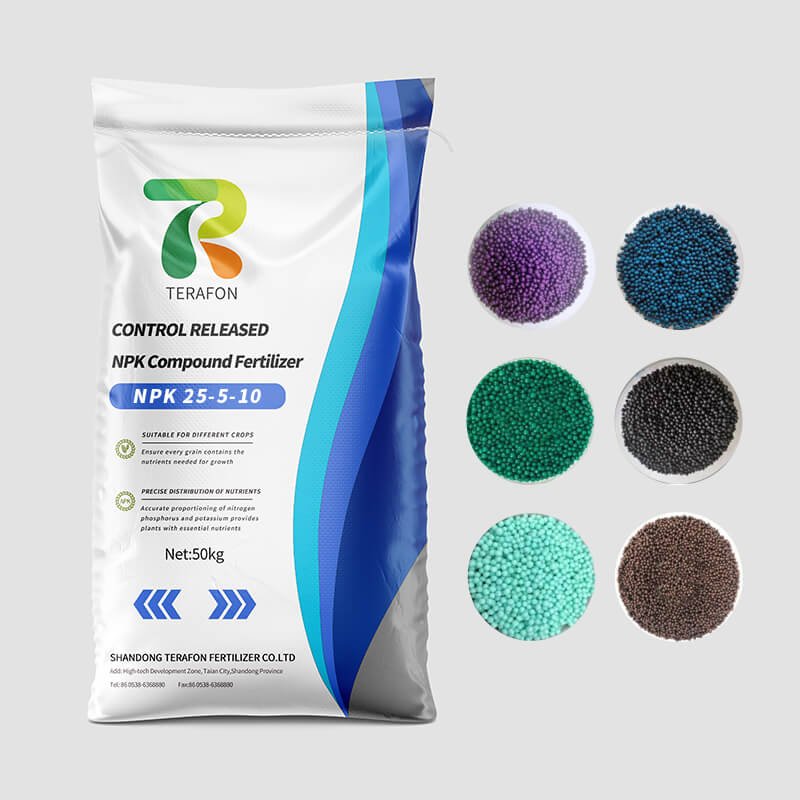
NPK Fertilizer
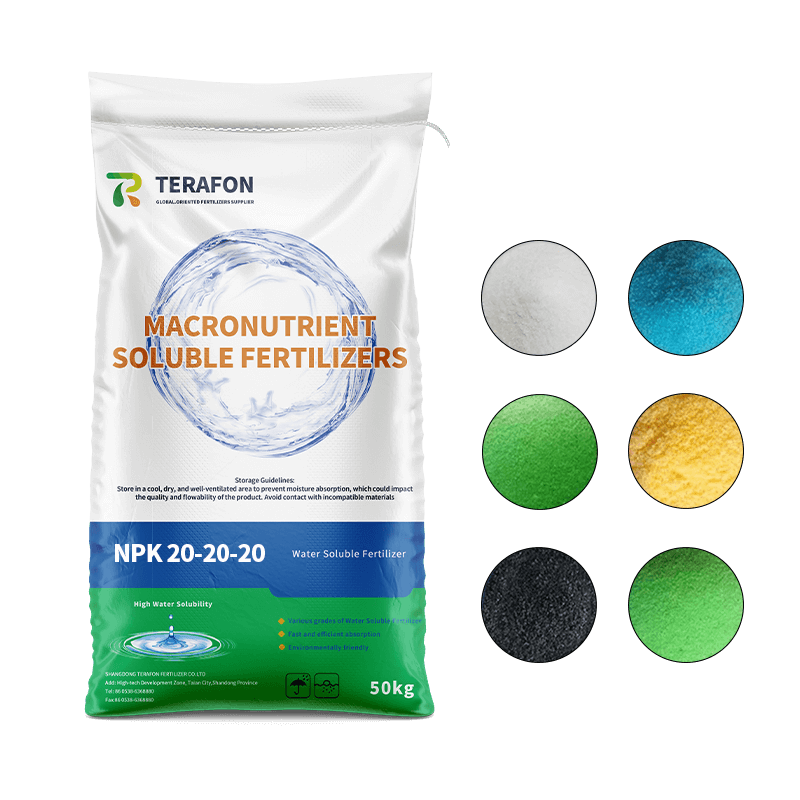
Water Soluble Fertilizer
Suitable Crops
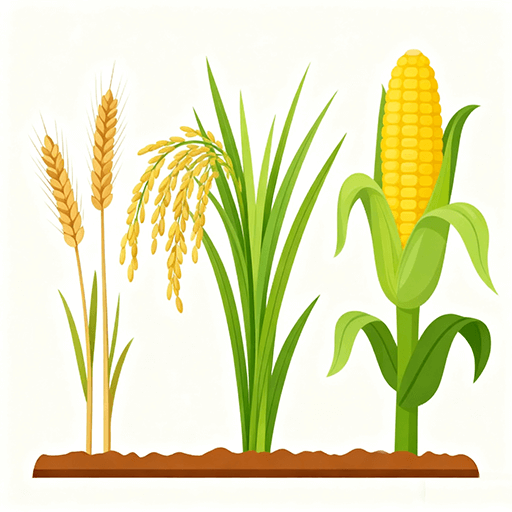
Cereal Crop
Leafy & Fruiting Vegetables

Oil Crops
Fruit Crops
15-15-15 and 20-20-20 Fertilizer: Enhancing Crop Performance
Apply 15-15-15 and 20-20-20 fertilizers through soil application, fertigation, or foliar feeding to deliver balanced nutrients for healthy crop growth and improved yields. Terafon Fertilizer provides high-quality NPK solutions for efficient and sustainable agricultural production.
