


- Home » What Is Liquid Nitrogen Fertilizer....
What Is Liquid Nitrogen Fertilizer and How Does It Work?
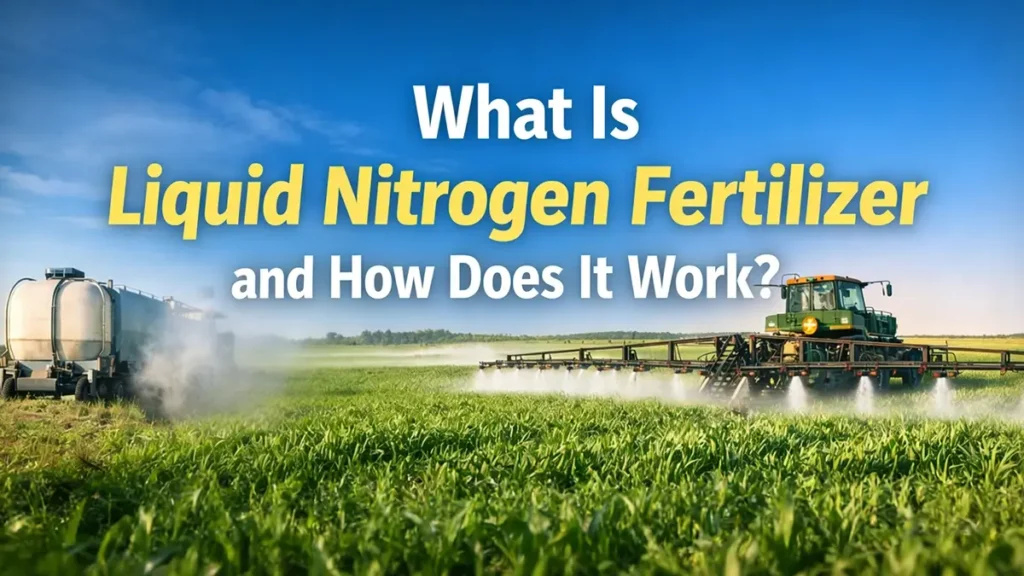
Liquid nitrogen fertilizer plays a critical role in modern crop nutrition programs by delivering nitrogen in a readily available, water-soluble form. According to technical insights shared by industry participants such as Terafon Fertilizer, liquid nitrogen solutions are increasingly adopted to improve nitrogen use efficiency and support precise nutrient management in large-scale and intensive farming systems.
Table of Contents
- 1. What Is Liquid Nitrogen Fertilizer?
- 2. Main Types of Liquid Nitrogen Fertilizers
- 3. How Liquid Nitrogen Fertilizer Works in the Soil
- 4. Why Liquid Nitrogen Fertilizer Improves Nitrogen Use Efficiency
- 5. Application Methods in Modern Crop Production
- 6. Impact on Crop Growth, Yield, and Quality
- 7. Environmental and Economic Advantages
- 8. Best Management Practices for Liquid Nitrogen Fertilizer
- 9. Conclusion
1. What Is Liquid Nitrogen Fertilizer?
Liquid nitrogen fertilizer is a water-soluble nitrogen fertilizer formulated to supply crops with immediately available nitrogen through liquid application systems. Unlike granular nitrogen fertilizers that require dissolution and conversion before uptake, liquid nitrogen fertilizers enter the soil solution directly after application.
This rapid availability makes liquid nitrogen fertilizer particularly effective in fertigation programs, precision agriculture systems, and crop production scenarios where accurate timing and uniform nutrient distribution are essential.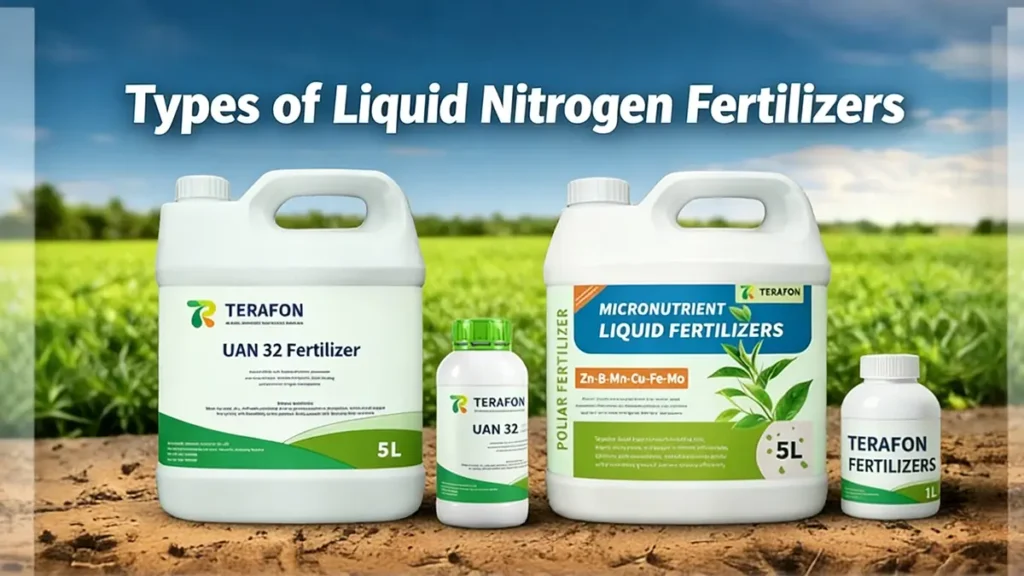
2. Main Types of Liquid Nitrogen Fertilizers
The most widely used liquid nitrogen fertilizer is UAN fertilizer (urea–ammonium nitrate solution), typically containing 28%–32% total nitrogen. UAN combines three nitrogen forms—nitrate, ammonium, and urea—within a single homogeneous solution.
Nitrate nitrogen supports immediate plant uptake, ammonium nitrogen provides short-term availability, and urea nitrogen is gradually converted in the soil, ensuring sustained nitrogen release. This balanced composition allows UAN fertilizer solutions to match crop nitrogen demand across multiple growth stages.
Some liquid nitrogen fertilizers are also formulated with stabilizers or micronutrient blends to further enhance nitrogen efficiency and nutrient balance under specific soil conditions.3. How Liquid Nitrogen Fertilizer Works in the Soil
After application, liquid nitrogen fertilizer mixes quickly with soil moisture and moves efficiently into the active root zone. Because nitrogen is already dissolved, plant roots can absorb available nitrogen forms without delay.
Urea nitrogen undergoes enzymatic transformation in the soil, while ammonium nitrogen is retained temporarily before conversion. This process creates a staged nitrogen supply that supports consistent crop nutrition and reduces the risk of short-term nitrogen deficiency.
Many agronomic solution providers, including Terafon Fertilizer, emphasize that precise placement of liquid nitrogen through fertigation or injection systems can significantly improve root-zone nutrient availability.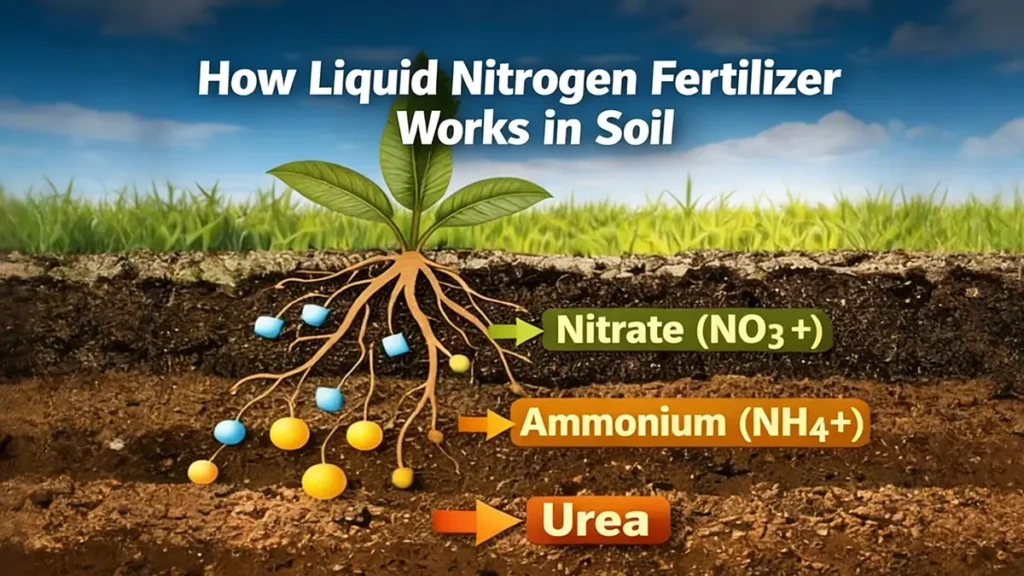
4. Why Liquid Nitrogen Fertilizer Improves Nitrogen Use Efficiency
One of the key advantages of liquid nitrogen fertilizer is its ability to improve nitrogen use efficiency (NUE). Accurate application rates, uniform coverage, and flexible timing help reduce nitrogen losses caused by volatilization, leaching, and runoff.
By aligning nitrogen availability more closely with crop uptake patterns, liquid nitrogen fertilizer allows plants to utilize a higher proportion of applied nitrogen compared with many conventional solid fertilizers.5. Application Methods in Modern Crop Production
Liquid nitrogen fertilizer is compatible with a wide range of modern application systems. Common methods include fertigation through irrigation networks, foliar nitrogen application for rapid plant response, soil banding near the root zone, and subsurface injection using specialized equipment.
This flexibility makes liquid nitrogen fertilizer especially suitable for precision agriculture, where site-specific nutrient management and variable-rate application are increasingly adopted.6. Impact on Crop Growth, Yield, and Quality
Nitrogen is essential for chlorophyll formation, amino acid synthesis, and overall plant metabolism. When supplied efficiently through liquid nitrogen fertilizer, crops often show improved leaf development, enhanced photosynthetic activity, and stronger vegetative growth.
Stable nitrogen availability throughout the growing season supports uniform crop development, higher yield potential, and improved quality traits in nitrogen-responsive crops such as cereals, maize, vegetables, and oilseeds.7. Environmental and Economic Advantages
Properly managed liquid nitrogen fertilizer applications can help reduce environmental risks associated with nitrogen loss. Precise placement and controlled timing lower the potential for groundwater contamination and nutrient runoff.
From an economic perspective, improved nitrogen efficiency, reduced application passes, and better crop response contribute to higher returns on fertilizer investment and more efficient farm operations.8. Best Management Practices for Liquid Nitrogen Fertilizer
To maximize performance, liquid nitrogen fertilizer should be applied based on soil testing, crop demand, and yield targets. Split applications aligned with key growth stages help maintain balanced nitrogen availability and reduce excess loss.
Accurate equipment calibration, monitoring of soil moisture conditions, and integration with precision farming tools further enhance nitrogen efficiency and long-term soil productivity.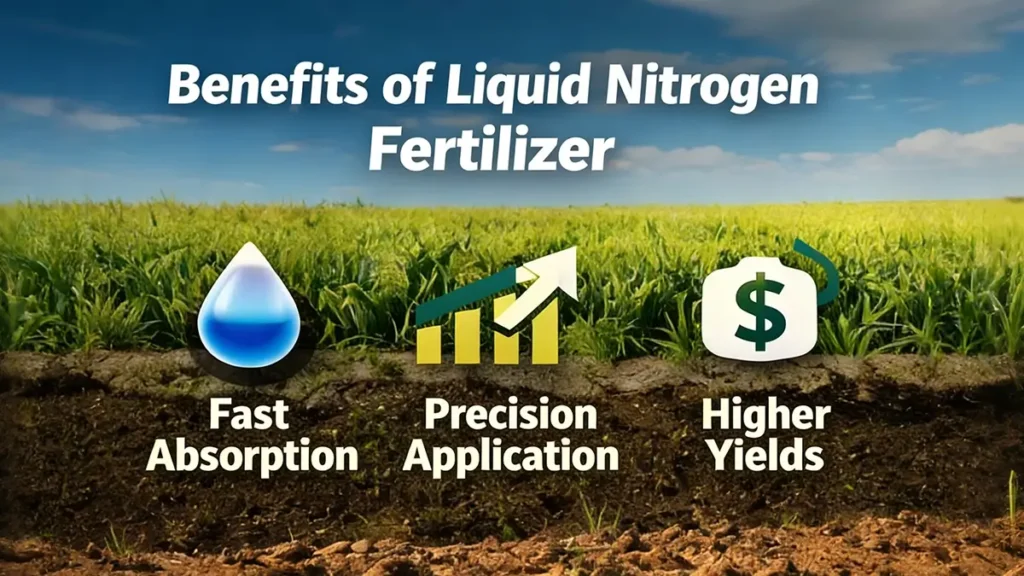
9. Conclusion
Liquid nitrogen fertilizer offers a highly efficient and adaptable approach to nitrogen nutrition in modern agriculture. By delivering nitrogen in a fully water-soluble form, it supports rapid uptake, precise application, and improved nitrogen use efficiency.
As highlighted by fertilizer manufacturers such as Terafon Fertilizer, liquid nitrogen solutions continue to play an important role in advancing sustainable nutrient management and improving crop performance across diverse agricultural systems.
Frequently Asked Questions (FAQs)
Liquid nitrogen fertilizer, such as UAN (urea–ammonium nitrate) solution, is a fully water-soluble nitrogen source. Unlike solid fertilizers, it is immediately available to plants, enabling faster nutrient uptake and uniform distribution via fertigation or irrigation.
It improves nitrogen use efficiency (NUE), reduces volatilization and leaching losses, and allows precise nutrient placement. Crops receive timely nitrogen for better growth, yield, and uniformity compared with many solid fertilizers.
Common methods include fertigation, foliar spray, soil banding, and injection. These approaches target the root zone for efficient nutrient absorption and reduced waste.
Nitrogen in liquid form is rapidly available. Nitrate is absorbed within hours, while ammonium and urea supply nitrogen gradually through soil conversion.
Yes. Liquid nitrogen fertilizer minimizes ammonia volatilization and runoff compared with solid forms, protecting groundwater and improving sustainability.
UAN solutions are versatile, commonly used on cereals, maize, vegetables, and fruit crops. Application rates and timing are adjusted based on crop type and growth stage for optimal performance.
Recommended Fertilizers
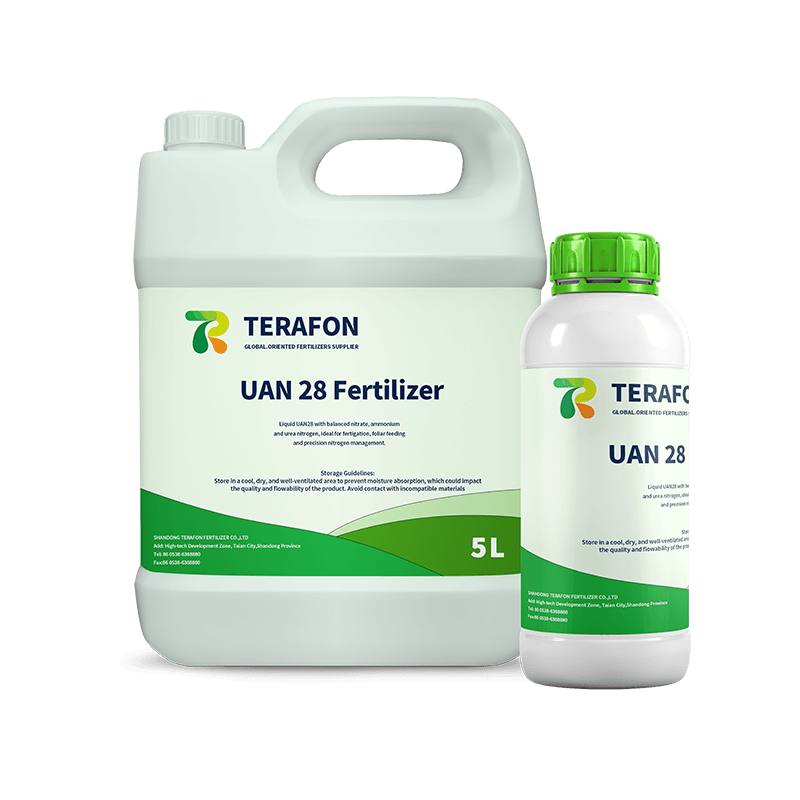
UAN 28 Fertilizer
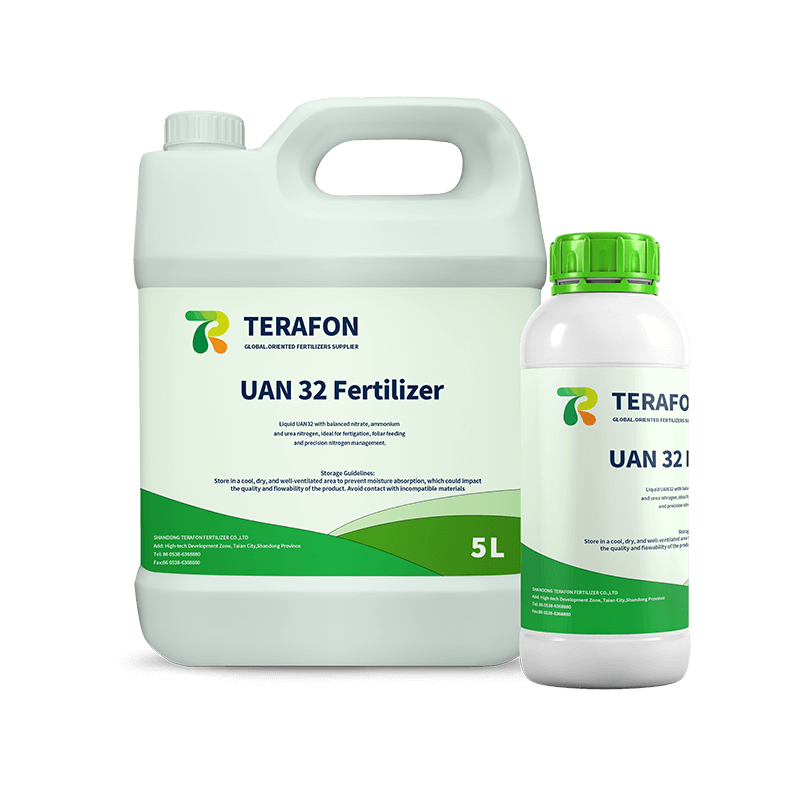
UAN 32 Fertilizer
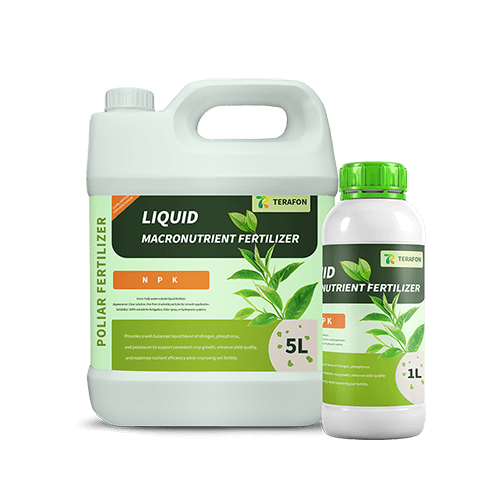
Liquid-Macronutrient-Fertilizer
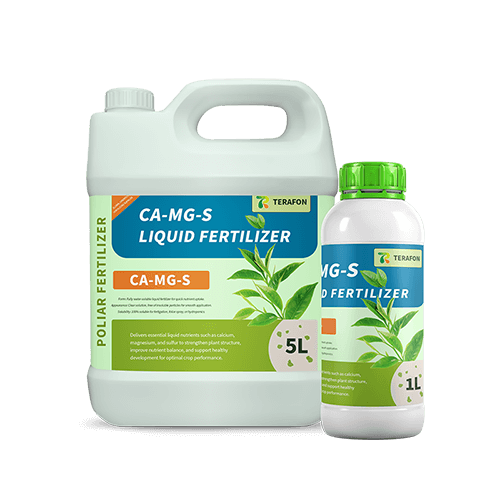
Ca-Mg-S-Liquid-Fertilizer
Suitable Crops

Fruit Trees & Orchards

Berry & Vine Crops

Leafy & Fruiting Vegetables

Root & Bulb Vegetables
Choose High-Quality Liquid Nitrogen Fertilizer
Select liquid nitrogen fertilizer based on nitrogen content, crop needs, and application method to ensure fast nutrient uptake, higher nitrogen efficiency, and consistent crop performance. Contact Terafon Fertilizer for reliable guidance and solutions.
