


- Home » What Are Some Common NPK Ratios...
What Are Some Common NPK Ratios? A Complete Guide
Selecting the correct NPK ratio is a cornerstone of effective crop nutrition management. From large-scale commercial farming to intensive horticulture and greenhouse production, understanding how different NPK fertilizer ratios function allows growers to precisely match nutrient supply with crop demand, improve fertilizer use efficiency, and achieve stable yields with consistent quality.
As a professional fertilizer supplier, Terafon Fertilizer focuses on delivering scientifically balanced NPK formulations designed to support modern, data-driven fertilization strategies across diverse crops and growing conditions.
Rather than relying on a single formulation throughout the season, advanced fertilization programs emphasize adjusting NPK ratios according to soil fertility, crop species, and specific growth stages.
Table of Contents
- 1. Introduction: Why NPK Ratios Matter
- 2. What Does NPK Stand For?
- 3. How NPK Ratios Influence Plant Development
- 4. Common NPK Ratios and Their Agricultural Uses
- 5. NPK Ratios by Crop Category
- 6. Liquid vs Granular NPK Fertilizers
- 7. Factors to Consider When Choosing an NPK Ratio
- 8. Common Misunderstandings About NPK Fertilizers
- 9. Final Thoughts
1. Introduction: Why NPK Ratios Matter
NPK ratios define the proportional supply of essential macronutrients delivered to crops. While total nutrient application rates are important, nutrient balance is often the decisive factor influencing plant health and yield potential. Incorrect ratios may cause excessive vegetative growth, underdeveloped root systems, poor flowering, nutrient antagonism, or reduced tolerance to biotic and abiotic stress.
Understanding commonly used NPK fertilizer ratios enables growers to make informed nutrient management decisions rather than relying on generalized or excessive fertilization—particularly in regions with variable soil fertility, intensive cropping cycles, or high yield targets.
2. What Does NPK Stand For?
NPK represents the three primary macronutrients required by plants in the largest quantities:
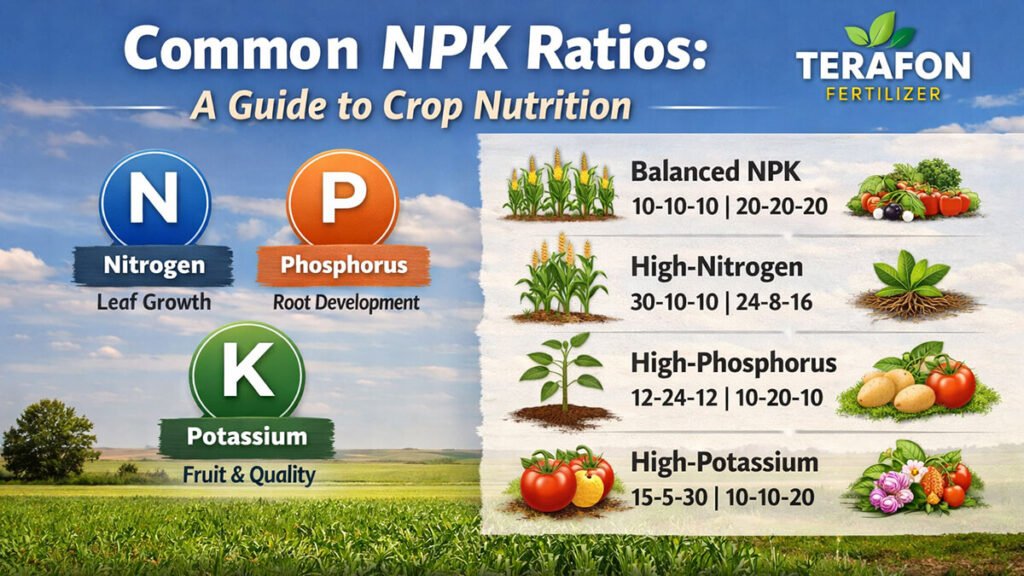
Nitrogen (N): Supports vegetative growth, chlorophyll formation, amino acid synthesis, and photosynthetic efficiency
Phosphorus (P): Essential for root development, energy transfer (ATP), early growth vigor, flowering, and seed formation
Potassium (K): Regulates water balance, enzyme activation, disease resistance, stress tolerance, and final crop quality
Fertilizer labels express NPK ratios as percentages by weight. For example, a 20-20-20 NPK fertilizer contains 20% nitrogen, 20% phosphorus (expressed as P₂O₅), and 20% potassium (expressed as K₂O).
3. How NPK Ratios Influence Plant Development
Crop nutrient demand changes dynamically throughout the growth cycle:
During early vegetative growth, nitrogen promotes rapid leaf area development and canopy formation
During root establishment and flowering, phosphorus demand increases significantly
During fruit enlargement, tuber formation, and maturation, potassium becomes critical for carbohydrate transport and quality development
This explains why professional growers and agronomists frequently adjust NPK ratios at different growth stages rather than applying a single fertilizer formula for the entire season.
4. Common NPK Ratios and Their Agricultural Uses
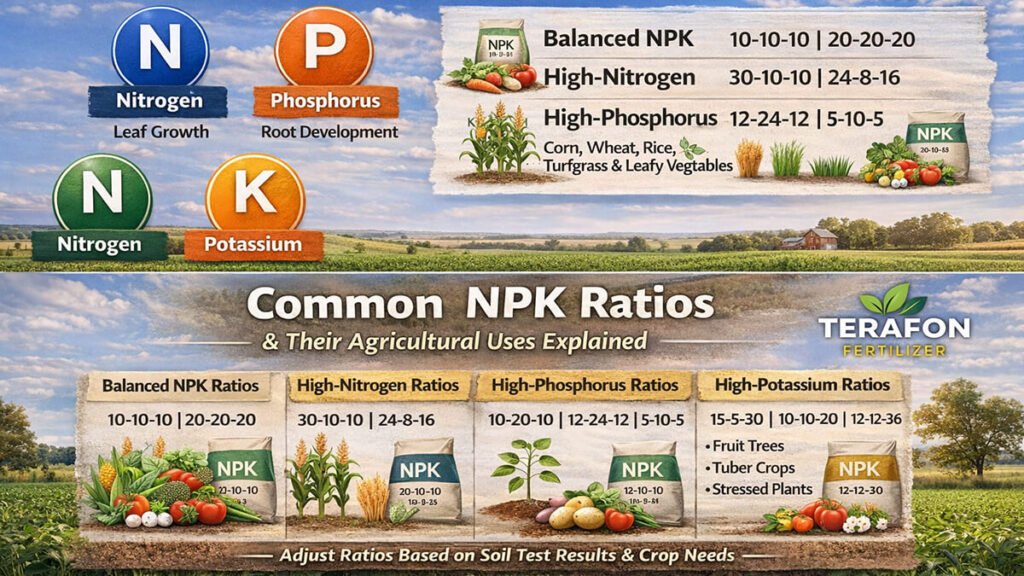
Balanced NPK Ratios
High-Nitrogen NPK Ratios
High-Phosphorus NPK Ratios
High-Potassium NPK Ratios
5. NPK Ratios by Crop Category
| Crop Category | Frequently Used NPK Ratios |
|---|---|
| Vegetables | 15-15-15, 20-20-20 |
| Cereal Crops | 24-8-16, 30-10-10 |
| Fruit Trees | 15-5-30, 10-10-20 |
| Turf & Lawn | 21-7-14, 30-10-10 |
| Flowering Plants | 10-20-10, 12-24-12 |
Final fertilizer selection should always be adjusted based on soil testing results, yield goals, irrigation practices, and local climatic conditions.
6. Liquid vs Granular NPK Fertilizers
Beyond nutrient ratios, fertilizer formulation significantly affects nutrient availability and application efficiency.
- Liquid NPK fertilizers provide rapid nutrient uptake and are ideal for fertigation systems, drip irrigation, and foliar feeding programs
Granular NPK fertilizers offer slower nutrient release and are well-suited for basal application and mechanical spreading
Even with identical NPK ratios, fertilizer performance may vary depending on formulation type, soil texture, moisture conditions, and application timing.
7. Factors to Consider When Choosing an NPK Ratio
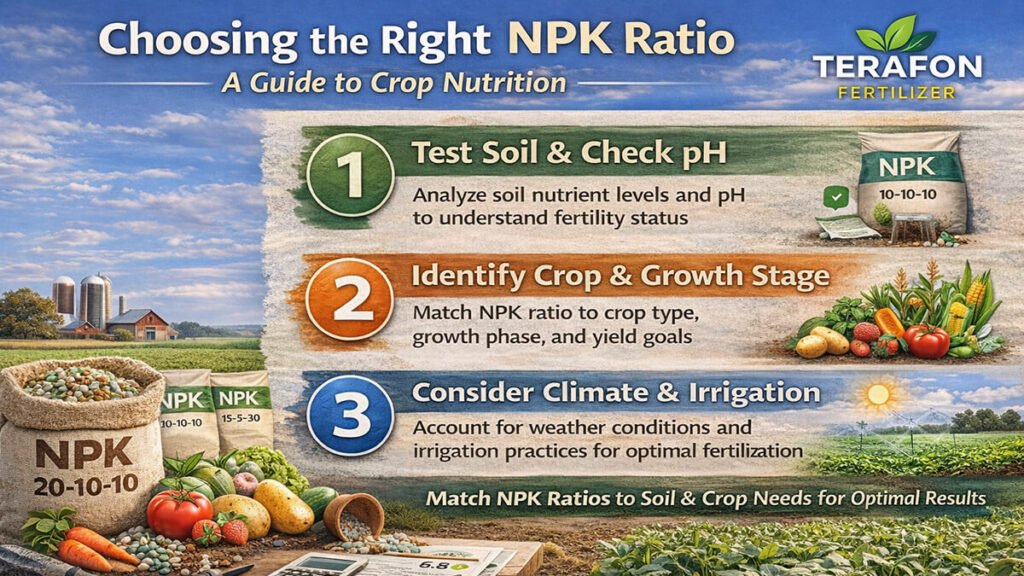
- Soil nutrient status and pH levels
- Crop type, growth stage, and expected yield
- Climate conditions and irrigation methods
Application frequency and nutrient loss risks
Aligning fertilizer ratios with crop physiology and soil conditions significantly improves nutrient use efficiency and reduces environmental losses.
8. Common Misunderstandings About NPK Fertilizers
- Assuming higher nutrient numbers automatically result in higher yields
- Applying nitrogen-heavy fertilizers late in the growth cycle
- Ignoring the role of secondary and micronutrients>
Using the same NPK ratio for all crops and growth stages
Precision nutrient management consistently outperforms uniform or excessive fertilizer application.
9. Final Thoughts
Common NPK ratios form the backbone of modern crop nutrition programs, but their effectiveness depends on accurate selection, correct timing, and proper application methods. Balanced, high-nitrogen, high-phosphorus, and high-potassium fertilizers each serve distinct roles throughout the crop life cycle.
By understanding how different NPK ratios influence plant growth and yield formation, growers can make informed, data-driven fertilization decisions. With scientifically formulated products and crop-specific nutrient solutions, Terafon Fertilizer supports sustainable productivity, improved crop quality, and long-term soil health.
Recommended Fertilizers
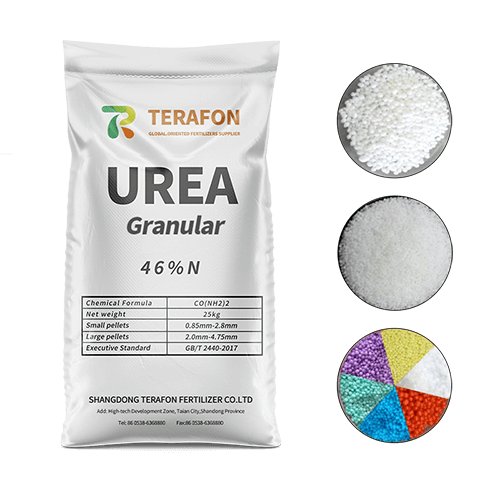
Urea Fertilizer
View Solutions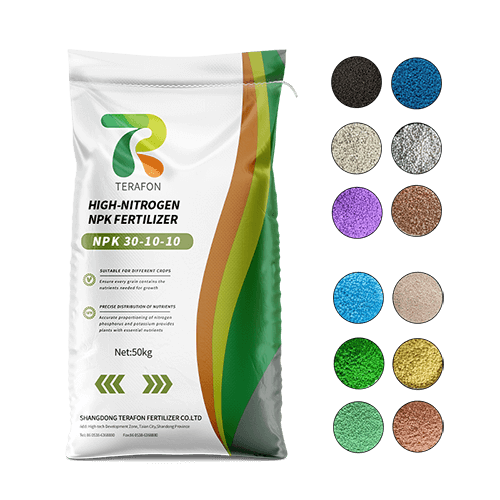
NPK Fertilizer
View Solutions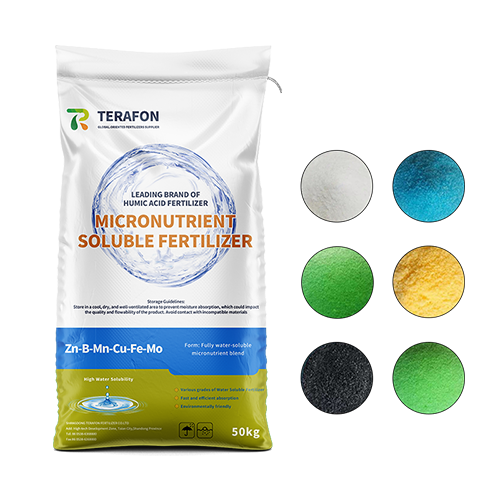
Water Soluble Fertilizer
View Solutions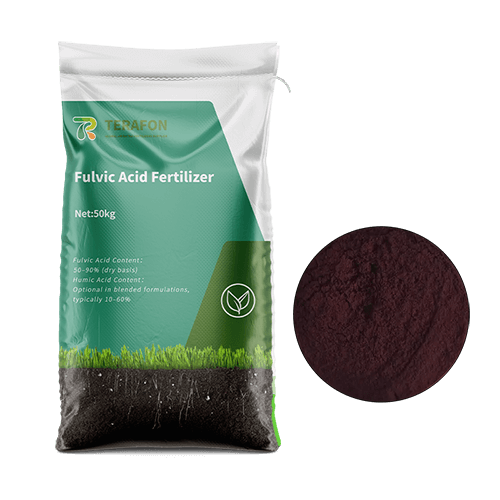
Fulvic-Acid-Fertilizer
View SolutionsSuitable Crops
Cereal Crops
Legume Crops
Root & Tuber Crops
Fruit Crops
Liquid vs Granular Humic Acid Fertilizers for Soil Health
Compare liquid and granular humic acid fertilizers for fast nutrient uptake and long-term soil improvement. Contact Terafon Fertilizer for expert guidance and tailored solutions to enhance crop performance.
