


- Home » Water-Soluble Fertilizer Types for Precision Nutrition
Water-Soluble Fertilizer Types for Precision Nutrition

In modern intensive agriculture, water-soluble fertilizers have become a cornerstone of precision nutrient management. With the rapid adoption of fertigation systems, drip irrigation, greenhouse cultivation, and hydroponic production, growers increasingly rely on fertilizers that deliver nutrients efficiently, uniformly, and predictably.
As a professional supplier focused on high-efficiency crop nutrition solutions, Terafon Fertilizer supports growers worldwide with advanced water-soluble fertilizer formulations designed for modern precision agriculture systems.
This in-depth guide explores the main water-soluble fertilizer types, their classification, technical characteristics, application methods, and selection strategies—helping growers, agronomists, and agricultural distributors optimize nutrient programs for sustainable, high-yield production.
Table of Contents
- 1. What Are Water-Soluble Fertilizers?
- 2. Classification of Water-Soluble Fertilizer Types
- 3. Key Characteristics of Different Water-Soluble Fertilizer Types
- 4. Advantages of Using Water-Soluble Fertilizers
- 5. How to Choose the Right Water-Soluble Fertilizer
- 6. Application Methods and Best Practices
- 7. Future Trends in the Water-Soluble Fertilizer Market
- 8. Conclusion
1. What Are Water-Soluble Fertilizers?
Water-soluble fertilizers are nutrient formulations that dissolve completely in water without leaving insoluble residues. Once dissolved, nutrients are immediately available for plant uptake, making these fertilizers especially suitable for:
- Fertigation through drip or sprinkler irrigation
- Foliar feeding programs
- Hydroponic and soilless cultivation
Greenhouse and protected agriculture
Compared with conventional granular fertilizers, water-soluble fertilizers enable precise nutrient delivery, reduce soil nutrient fixation, and significantly improve fertilizer use efficiency. These advantages are particularly important for high-value crops such as vegetables, fruits, berries, flowers, and specialty crops with strict nutrient requirements.
2. Classification of Water-Soluble Fertilizer Types
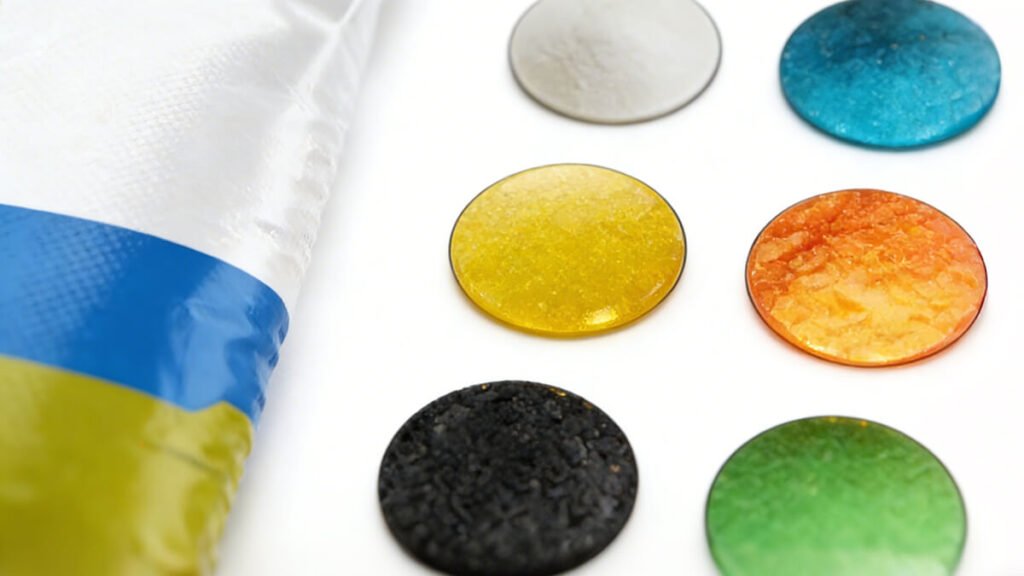
2.1 Classification by Nutrient Composition
These fertilizers supply the primary nutrients—nitrogen (N), phosphorus (P), and potassium (K)—that drive vegetative growth, root development, flowering, and yield formation. They are commonly formulated in different NPK ratios to meet specific crop stages and production goals.
Macronutrient water-soluble fertilizers are widely used in intensive fertigation programs, where uniform nutrient distribution and rapid plant response are required.
Secondary Nutrient Water-Soluble FertilizersSecondary nutrients such as calcium, magnesium, and sulfur are essential for cell wall structure, enzyme activity, and photosynthesis. Water-soluble calcium fertilizers, for example, are frequently applied to prevent physiological disorders, improve fruit firmness, and enhance post-harvest quality in horticultural crops.
Micronutrient and Chelated FertilizersMicronutrient water-soluble fertilizers provide trace elements including iron, zinc, manganese, boron, copper, and molybdenum. These nutrients are often supplied in chelated forms to maintain stability in solution and ensure consistent uptake under different pH and water quality conditions.
2.2 Classification by Functional Purpose
General-purpose formulations provide balanced nutrition for routine crop growth. They are suitable for a wide range of crops and are commonly used as a base fertilizer in fertigation schedules.
Stage-Specific Water-Soluble FertilizersStage-specific formulations are designed for targeted growth phases. Phosphorus-rich products support early root development and flowering, while potassium-dominant fertilizers enhance fruit filling, sugar accumulation, and stress tolerance during reproductive stages.
Functional and Enhanced Water-Soluble FertilizersFunctional water-soluble fertilizers may contain amino acids, humic substances, seaweed extracts, or bio-stimulant components. These products are increasingly used to improve nutrient uptake efficiency, stimulate root growth, and help crops cope with abiotic stress such as drought, salinity, or temperature fluctuations.
At this stage of nutrient optimization, many professional growers integrate customized solutions from suppliers like Terafon Fertilizer, especially for greenhouse and high-value crop programs.
2.3 Classification by Physical Form
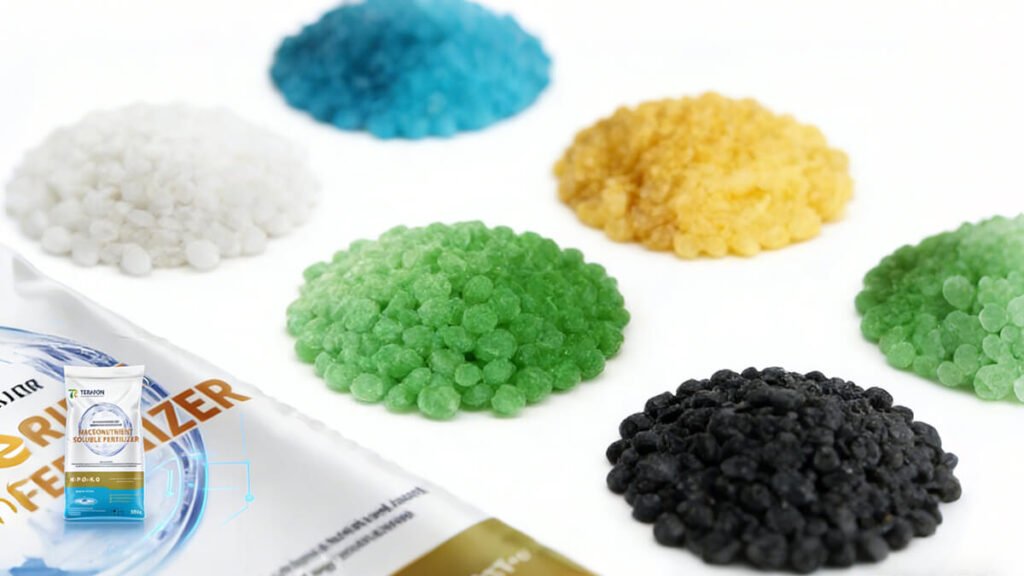
Solid water-soluble fertilizers are typically supplied as powders or crystalline granules that require dissolution before application. They offer high nutrient concentration, long shelf life, and flexibility in formulation, making them ideal for large-scale agricultural operations.
Liquid Water-Soluble FertilizersLiquid formulations are either ready-to-use or easily diluted. They provide consistent nutrient concentration, excellent compatibility with fertigation systems, and convenience for precision dosing—especially in automated irrigation setups.
3. Key Characteristics of Different Water-Soluble Fertilizer Types
Different water-soluble fertilizer types vary in nutrient density, dissolution behavior, and crop response. Macronutrient formulations primarily drive yield and biomass production, while micronutrient and functional fertilizers focus on correcting deficiencies, improving crop quality, and enhancing physiological balance.
Understanding these characteristics allows growers to fine-tune nutrient programs, avoid antagonistic interactions, and maintain optimal nutrition throughout the crop cycle.
4. Advantages of Using Water-Soluble Fertilizers
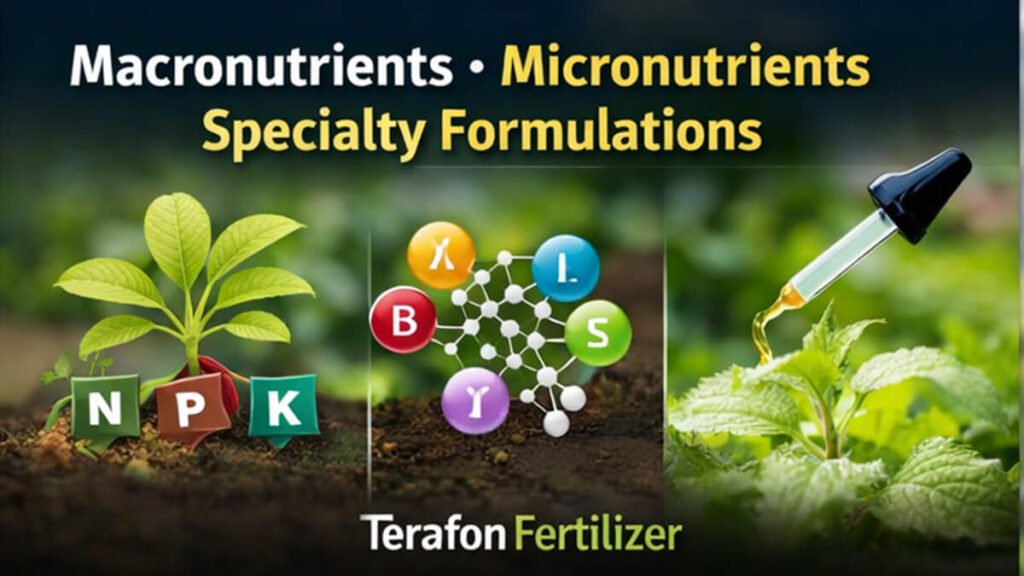
Water-soluble fertilizers offer several agronomic and environmental benefits:
- Higher nutrient use efficiency due to immediate availability
- Precise control in fertigation and irrigation systems
- Reduced nutrient losses through leaching or volatilization
- Flexible nutrient adjustment across different growth stages
Improved crop uniformity, yield, and quality
These advantages make water-soluble fertilizers a preferred solution in modern, resource-efficient agriculture.
5. How to Choose the Right Water-Soluble Fertilizer
Selecting the appropriate water-soluble fertilizer requires consideration of crop species, growth stage, soil properties, irrigation method, and water quality. Crop-specific nutrient demand and solution EC and pH should always be monitored to avoid nutrient imbalance or root stress.
Professional suppliers such as Terafon Fertilizer support growers by providing technical guidance and formulation recommendations based on real agronomic conditions.
6. Application Methods and Best Practices
Water-soluble fertilizers can be applied through root zone fertigation or foliar feeding. Root application supports sustained nutrient supply, while foliar application enables rapid correction of visible deficiencies.
Best practices include gradual concentration adjustment, compatibility testing before tank mixing, and aligning fertilizer application with crop nutrient demand curves.
7. Future Trends in the Water-Soluble Fertilizer Market
Global demand for water-soluble fertilizers continues to rise, driven by greenhouse expansion, water scarcity, and precision agriculture technologies. Customized formulations, functional additives, and environmentally compliant products are shaping the next generation of crop nutrition solutions.
Efficiency optimization and sustainability will remain central themes in future water-soluble fertilizer development.
8. Conclusion
Water-soluble fertilizer types are a fundamental component of modern crop nutrition strategies. By understanding their classification, functionality, and application principles, growers and agronomists can significantly improve nutrient efficiency, crop performance, and long-term sustainability.
As agriculture continues to evolve toward precision and environmental responsibility, professional solutions from suppliers such as Terafon Fertilizer will play an increasingly important role in supporting high-efficiency, high-quality crop production.
Recommended Fertilizers
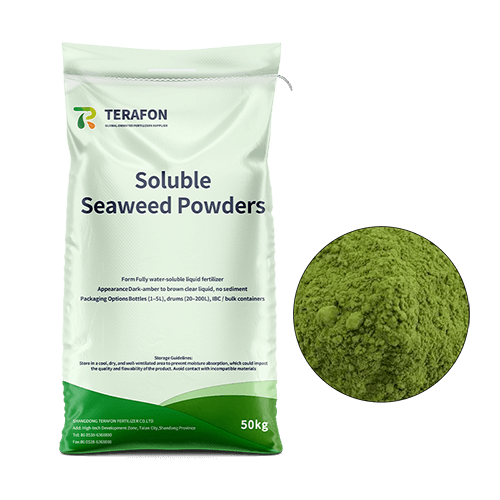
Liquid-Seaweed-Extracts
View Solutions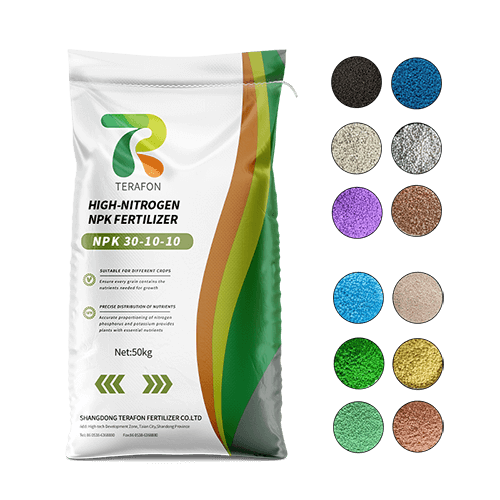
Macronutrient-Soluble-fertilizer
View Solutions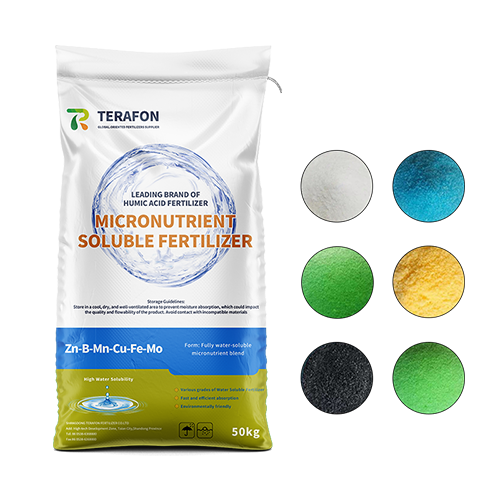
Micronutrient-Soluble-fertilizer
View Solutions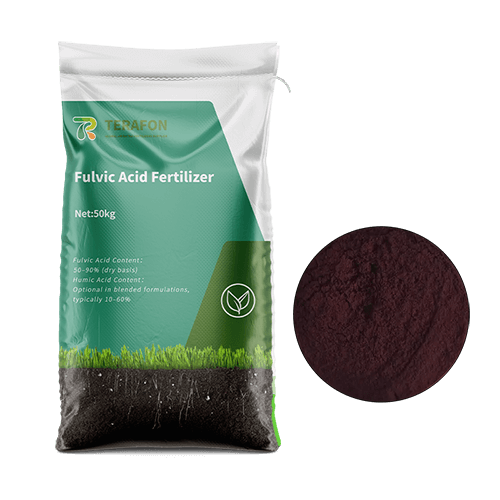
Functional-Soluble-fertilizer
View SolutionsSuitable Crops
Cereal Crops
Legume Crops
Root & Tuber Crops
Fruit Crops
Water-Soluble Fertilizer Guide: Types & Benefits
Learn about water-soluble fertilizer types and their benefits for fertigation and precision crop nutrition. Contact Terafon Fertilizer for expert support and tailored solutions.
