Urea Types Guide: Classified by Use and Form
Urea (CO(NH₂)₂) is one of the most widely used nitrogen-based compounds in the global market. It plays a critical role not only in modern agriculture, but also in industrial manufacturing, environmental protection, and automotive emission control systems.
Rather than being a single standardized product, urea exists as a highly diversified material system. Based on application requirements, physical form, nitrogen release behavior, and modification technology, different urea types are designed to meet very specific performance and regulatory demands.
As a professional supplier and solution-oriented brand, Terafon focuses on delivering application-specific urea products that align with efficiency, sustainability, and international quality standards. This guide provides a clear, professional, and comprehensive overview of urea classifications, helping professionals make informed decision-making choices.
Table of Contents
1. What Is Urea?

Industrial Production
Core Advantages
- Extremely high nitrogen concentration
- Excellent solubility in water
- Broad compatibility with agricultural, industrial, and environmental systems
2. Overview of Urea Classification
- Application / Grade (end-use driven)
- Physical Form (handling and application driven)
- Nitrogen Release Profile (efficiency driven)
- Modification Technology (performance and sustainability driven)
3. Urea Types by Application
| Application Type | Key Characteristics | Typical Uses |
|---|---|---|
| Agricultural Grade Urea | ~46% nitrogen, cost-effective, widely available | Field crops, vegetables, plantations, compound fertilizer production |
| Industrial Grade Urea | High purity, controlled biuret and impurity levels | Resins, adhesives, plastics, melamine production |
| Feed Grade Urea | Non-protein nitrogen source, regulated safety standards | Ruminant feed formulations |
| Automotive Urea (AUS32 / DEF / AdBlue) | 32.5% high-purity urea solution, ISO-compliant | SCR systems for diesel exhaust NOx reduction |
| Pharmaceutical Grade Urea | Ultra-high purity, strict impurity control | Medical formulations, dermatological products |
| Electronic Grade Urea | Extremely low metal ions and contaminants | Electronics, fine chemicals, semiconductor processes |
| Coated / Controlled-Release Agricultural Urea | Polymer- or sulfur-coated, enhanced nitrogen efficiency | High-value crops, horticulture, precision agriculture |
4. Urea Types by Physical Form
| Physical Form | Key Characteristics | Typical Applications |
|---|---|---|
| Prills | Small spherical particles, fast dissolution, economical | Conventional agriculture, blending |
| Granules | Larger, harder particles, excellent flowability | Mechanized spreading, bulk transport, export markets |
| Powder / Crystalline Urea | Fine particle size, rapid solubility | Industrial processing, solution preparation |
| Liquid Urea | Fully dissolved in water | Foliar application, fertigation, hydroponics |
| UAN Solution | Urea–ammonium nitrate liquid blend | Precision farming, liquid fertilizer systems |
5. Urea Types by Nitrogen Release Profile
Nitrogen release behavior is a key performance parameter, especially in agriculture:
- Instant (Conventional) Urea
Releases nitrogen rapidly after application. Suitable for quick nutrient correction but more susceptible to volatilization and leaching losses. - Slow-Release Urea
Nitrogen availability is delayed through physical or chemical treatment, improving nitrogen use efficiency and reducing environmental losses. - Controlled-Release Urea
Designed to release nitrogen at a predictable rate over weeks or months, aligning nutrient supply with crop uptake patterns.
6. Urea Types by Modification Technology
To enhance performance and sustainability, urea may be modified using advanced technologies:
-
Coated Urea
Sulfur-coated or polymer-coated urea regulates water penetration and nutrient diffusion. -
Urease Inhibitor Urea
Additives such as NBPT slow urea hydrolysis, significantly reducing ammonia volatilization. -
Nitrification Inhibitor Urea
Inhibitors like DCD or DMPP slow ammonium-to-nitrate conversion, reducing leaching and denitrification losses. -
Environment-Responsive (Smart) Urea
Advanced formulations that respond to temperature or moisture conditions, representing the future of precision fertilization.

7. Comparative Technical Insights
8. How to Choose the Right Urea Type
- Large-scale field crops: Agricultural granules or prills
- High-value crops and horticulture: Coated or controlled-release urea
- Industrial processing: High-purity industrial-grade powder or crystals
- Diesel SCR systems: ISO-compliant AUS32 / DEF solutions
- Precision agriculture: Liquid urea or UAN for fertigation systems
9. Conclusion
Urea is not a single commodity, but a multi-dimensional product system defined by application, physical form, release profile, and modification technology.
A systematic understanding of urea types enables scientific decision-making, improved efficiency, and sustainable nutrient management. With a strong focus on quality, performance, and application-driven solutions, Terafon continues to support global customers across agriculture, industry, and environmental sectors.
Recommended Fertilizers
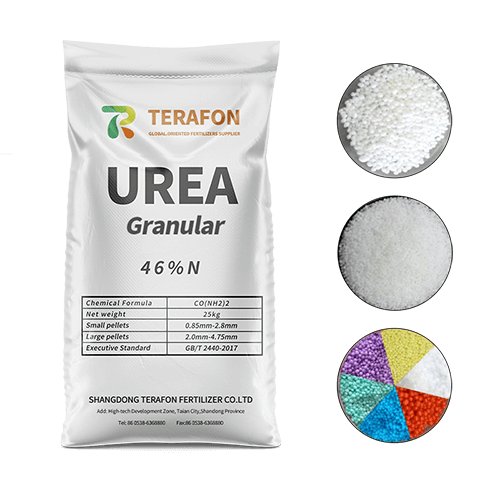
Urea Fertilizer
View Solutions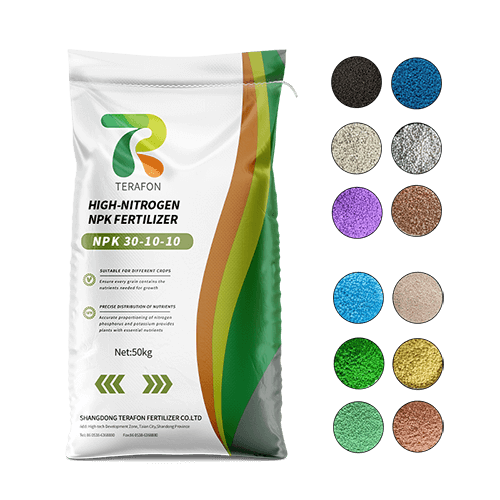
NPK Fertilizer
View Solutions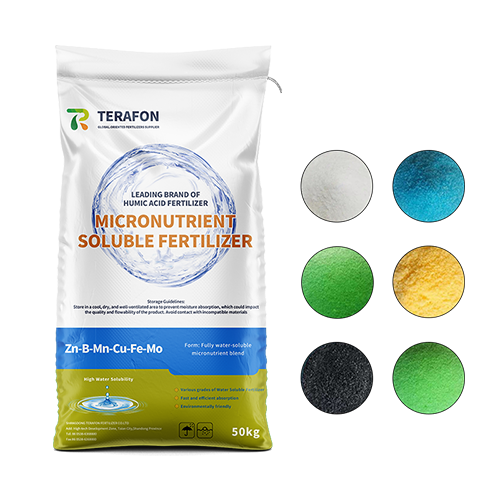
Water Soluble Fertilizer
View Solutions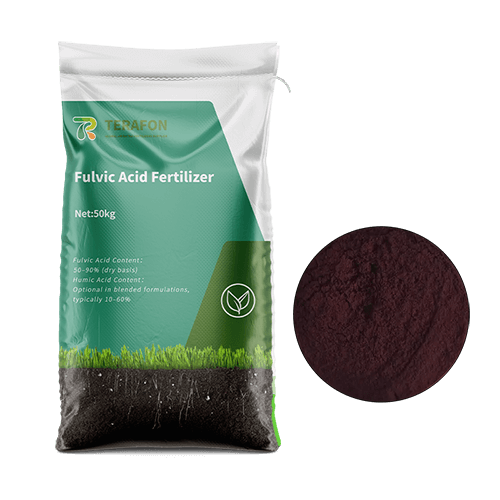
Fulvic-Acid-Fertilizer
View SolutionsSuitable Crops
Cereal Crops

Legume Crops

Root & Tuber Crops