


Overview
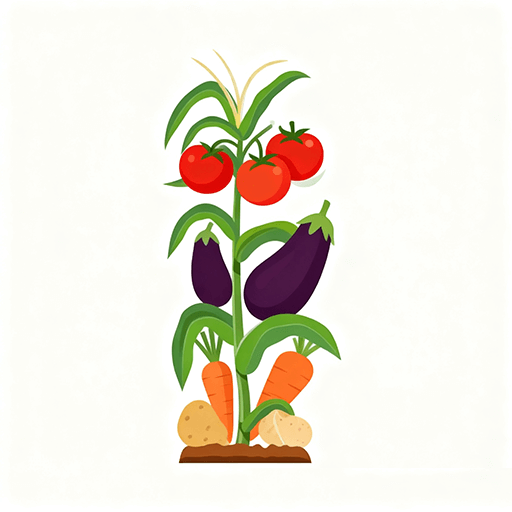
Tomato (Solanum lycopersicum) is a nutrient-demanding fruit vegetable that requires balanced fertilization for healthy growth, high yield, and superior fruit quality. Proper management of nitrogen, potassium, calcium, and micronutrients is essential to reduce physiological disorders and extend shelf life.
Crop Type: Fruit Vegetable
Optimal Soil pH: 6.0–6.8
Growth Duration: 90–120 Days
Water Requirement: Moderate
Essential Nutrient Requirements
Tomatoes have specific nutrient needs during each growth stage. The following table outlines the function of key nutrients and their deficiency symptoms:
| Nutrient | Function in Tomato Growth | Deficiency Symptoms |
|---|---|---|
| Nitrogen (N) | Promotes vigorous leaf and stem growth | Yellowing of lower leaves, weak stems |
| Phosphorus (P) | Enhances root and flower formation | Poor root growth, delayed flowering |
| Potassium (K) | Improves fruit color, size, and sweetness | Leaf edge burn, uneven ripening |
| Calcium (Ca) | Strengthens fruit cell wall structure | Blossom-end rot on fruits |
| Magnesium (Mg) | Supports photosynthesis and enzyme activity | Interveinal chlorosis on older leaves |
Tomato Fertilization Program
A well-balanced fertilization plan is crucial for achieving optimal tomato yield and fruit quality. The program should consider soil fertility, growth stage, and local climate.
1. Base Fertilizer
Apply NPK 15-15-15 or MAP at transplanting to promote root establishment.
2. Top Dressing
Use NPK 20-20-20 or Urea + Potassium Nitrate during vegetative and flowering stages.
3. Fruit Development
Apply Calcium Nitrate or Water-Soluble Fertilizer with Micronutrients to enhance fruit firmness and shelf life.
Recommended Fertilizers for Tomatoes
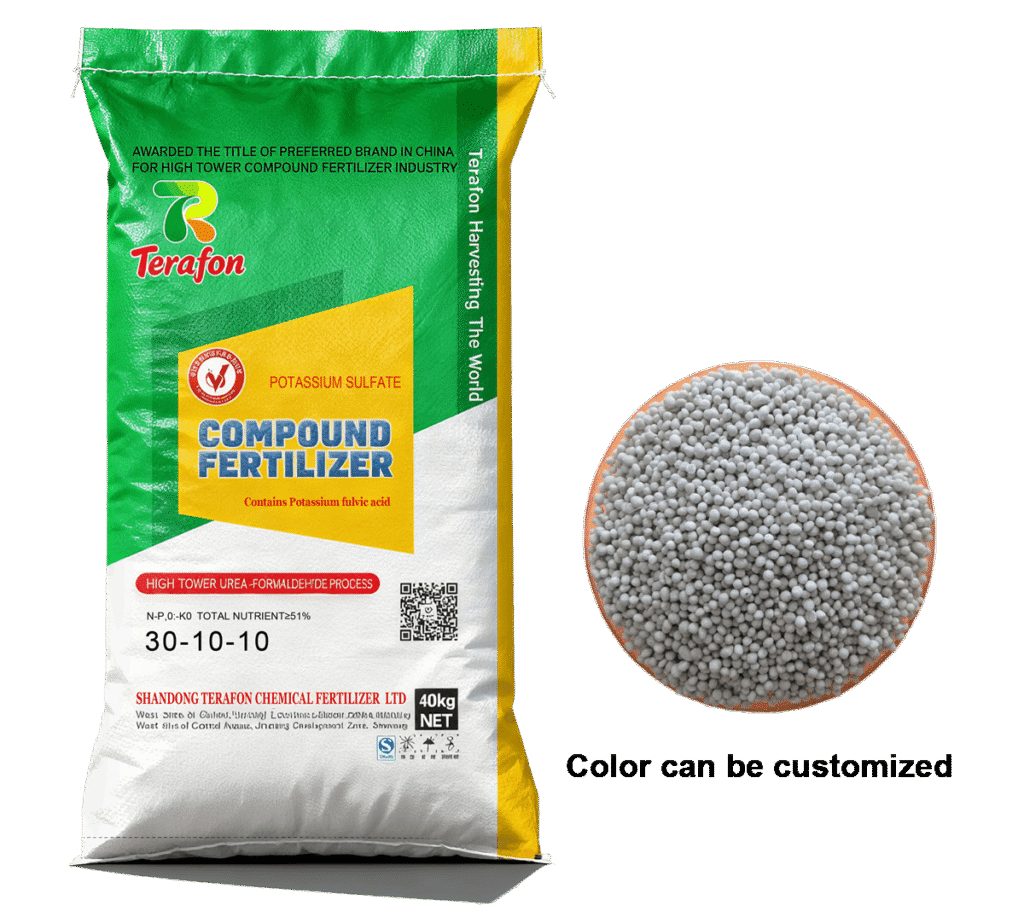
Urea Fertilizer
View SolutionsUrea Fertilizer
View SolutionsUrea Fertilizer
View SolutionsUrea Fertilizer
View SolutionsOther Vegetable Crops



Frequently Asked Questions
A balanced NPK 10-10-20 or 15-15-15 is generally recommended depending on the soil fertility and growth stage.
It’s best to apply them separately to prevent chemical precipitation and ensure nutrient availability.
Optimize Your Tomato Yield with Terafon
Contact our agronomy team for a customized fertilization plan designed for your crop and soil condition.
