Silicon (Si) is a beneficial element in plant nutrition, widely recognized for its role in strengthening plant structure, enhancing stress resistance, and improving crop yield and quality. Although not traditionally classified as an essential nutrient, silicon provides significant agronomic benefits, particularly under biotic and abiotic stress conditions such as drought, salinity, pests, and diseases.
1. Importance of Silicon in Plant Growth
Silicon enhances plant resilience and growth through its mechanical and physiological effects. It accumulates in cell walls, forming a protective layer that improves rigidity and resistance against pathogens and environmental stress.
Key roles of silicon include:- Strengthening cell walls: Improves plant structure, stem strength, and leaf erectness, increasing light interception and photosynthetic efficiency.
- Enhancing stress tolerance: Reduces the impact of drought, salinity, heat, and heavy metals by regulating water balance and ion transport.
- Improving disease resistance: Acts as a physical and biochemical barrier to fungal and bacterial infections.
- Boosting nutrient use efficiency: Facilitates better uptake and balance of essential nutrients like nitrogen, phosphorus, and potassium.
- Enhancing yield and quality: Contributes to stronger stems, larger fruits, and improved grain filling.
2. Types of Silicon Fertilizers
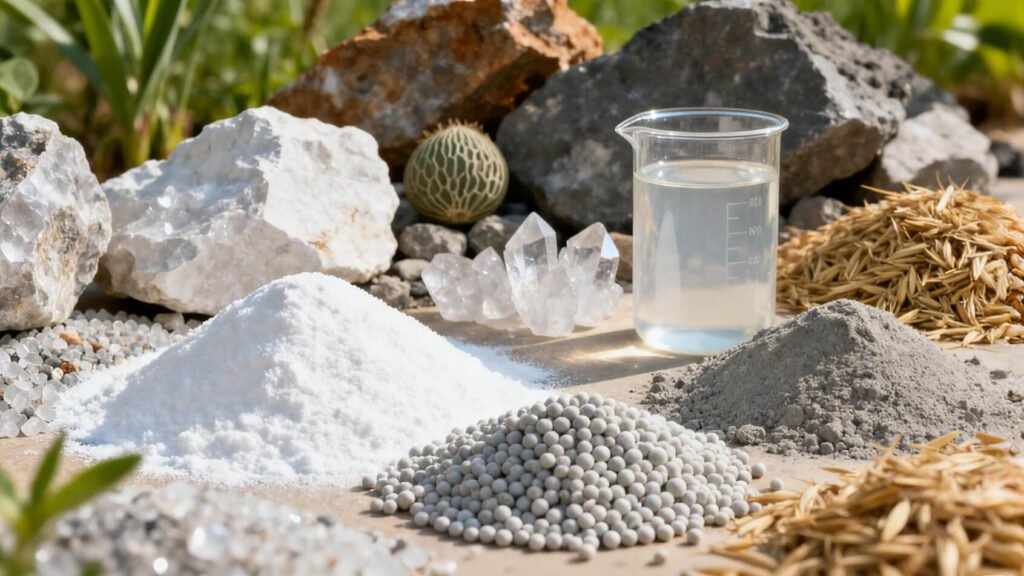
Silicon fertilizers are available in various forms to suit different crops and soil conditions.
2.1 Solid Silicon Fertilizers
- Advantages: Long-lasting effect, improves soil structure, and slowly releases silicon.
Best for: Rice, sugarcane, wheat, and other high-silicon-demand crops.
2.2 Liquid Silicon Fertilizers
- Advantages: Rapid absorption, suitable for foliar and fertigation applications.
Best for: Horticultural crops, vegetables, and fruit trees under stress conditions.
2.3 Nano and Stabilized Silicon Products
- Advantages: Enhanced bioavailability and improved uptake efficiency at low application rates.
Best for: High-value crops needing precision nutrient management.
3. Application Methods and Best Practices
- Soil Application: Incorporate solid silicon fertilizers into the soil before planting to strengthen plant structure and increase resistance throughout the growth cycle.
- Foliar Spraying: Apply soluble or nano-silicon formulations during active growth stages for quick uptake and stress mitigation.
- Fertigation: Integrate liquid silicon fertilizers with irrigation systems for uniform and efficient nutrient delivery.
Seed Treatment: Coating seeds with silicon solutions promotes strong seedling emergence and root development.
4. Symptoms of Silicon Deficiency
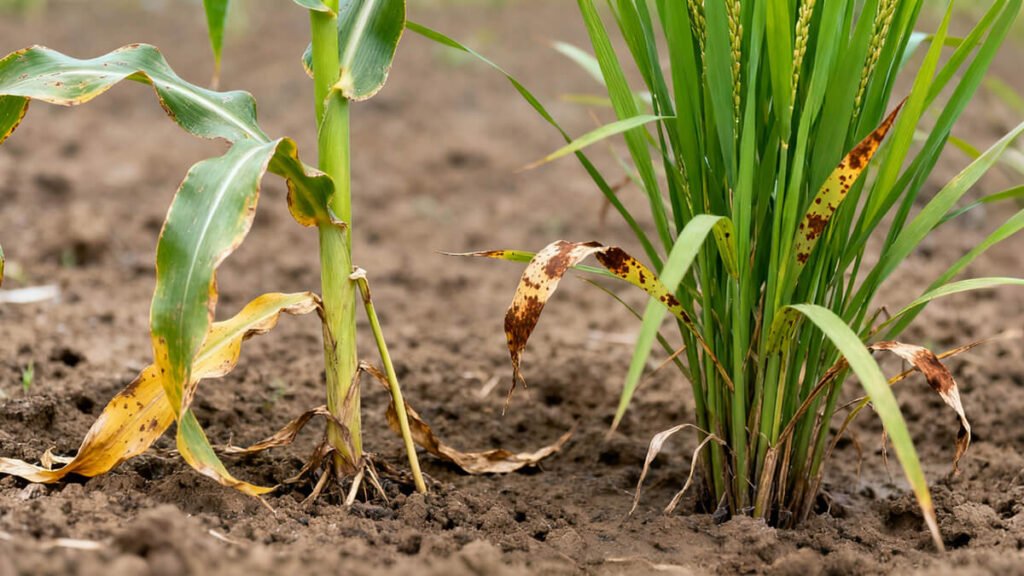
Silicon deficiency is more common in highly weathered, sandy, or low-silicon soils.
Typical symptoms include:
- Weak or lodging-prone stems.
- Increased disease incidence and pest susceptibility.
- Poor root and shoot development.
- Decreased drought and heat tolerance.
- Lower yields and poor grain quality.
5. Factors Affecting Silicon Availability
- Soil type: Acidic, sandy, or organic soils often contain less available silicon.
- Soil pH: Extreme pH levels can reduce soluble silicon availability.
- Crop type: Grasses (e.g., rice, wheat, sugarcane) require more silicon than dicotyledonous crops.
- Irrigation water: High-purity water can dilute available silicon levels in soil.
6. Correcting and Preventing Silicon Deficiency
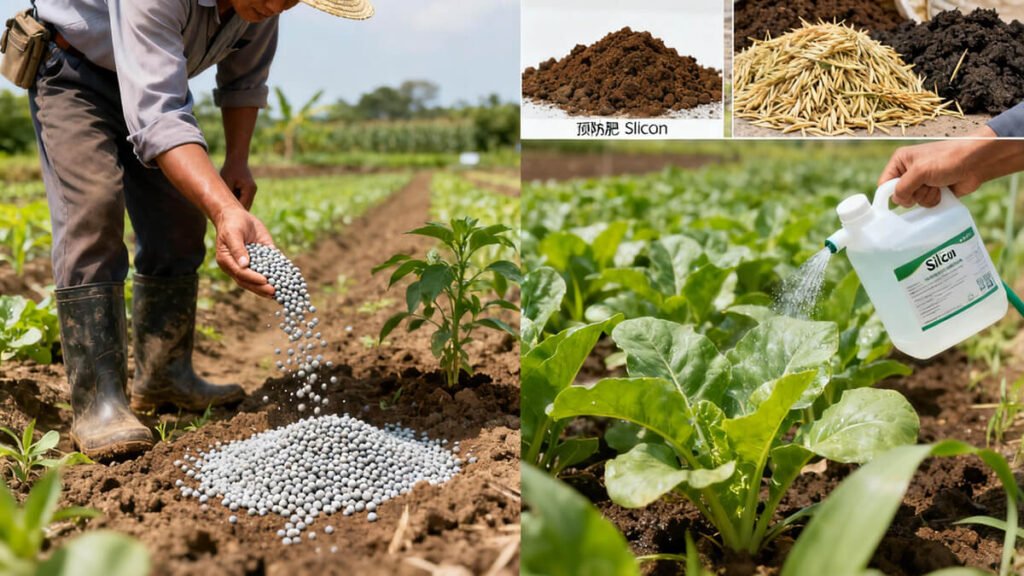
- Apply silicon fertilizers regularly, especially in silicon-deficient soils.
- Use soluble or nano-silicon formulations for faster absorption.
- Rotate crops with silicon-accumulating species to naturally improve soil silicon content.
- Monitor soil and tissue silicon levels through periodic testing to optimize fertilization programs.
7. Environmental and Technological Considerations
Silicon improves not only plant health but also environmental sustainability by reducing the need for pesticides and enhancing nutrient use efficiency. Modern precision agriculture technologies, including soil analysis, sensors, and controlled-release formulations, help optimize silicon management for maximum benefit.
💡 Pro Tip: Incorporating silicon into integrated crop nutrition plans enhances stress tolerance, yield stability, and product quality, ensuring sustainable agricultural productivity.
Table of Contents
Recommended Fertilizers
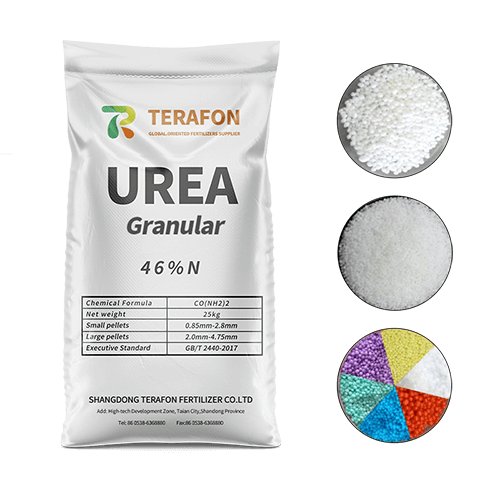
Urea Fertilizer
View Solutions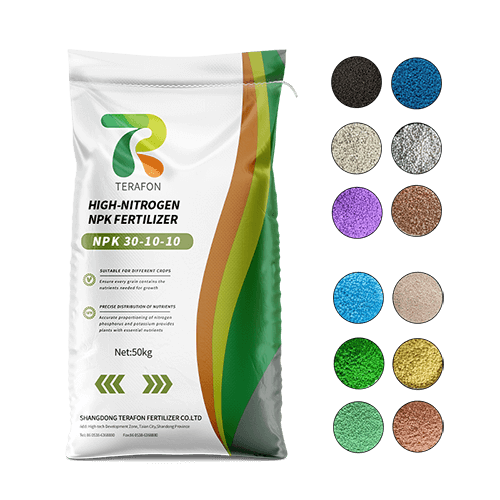
NPK Fertilizer
View Solutions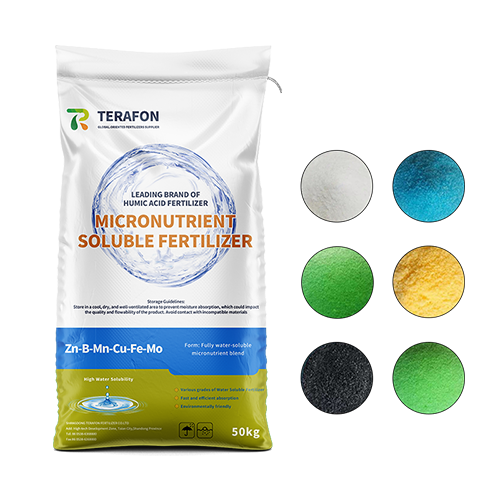
Water Soluble Fertilizer
View Solutions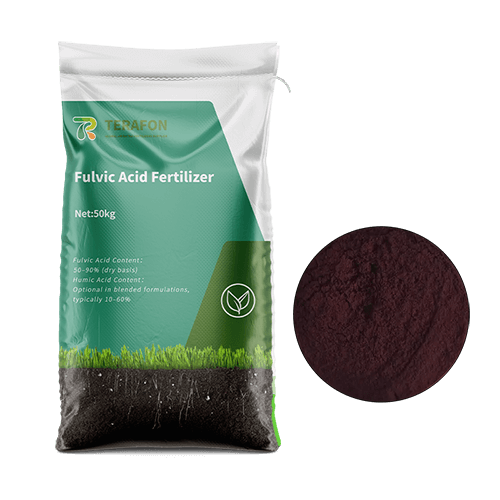
Fulvic-Acid-Fertilizer
View SolutionsSuitable Crops
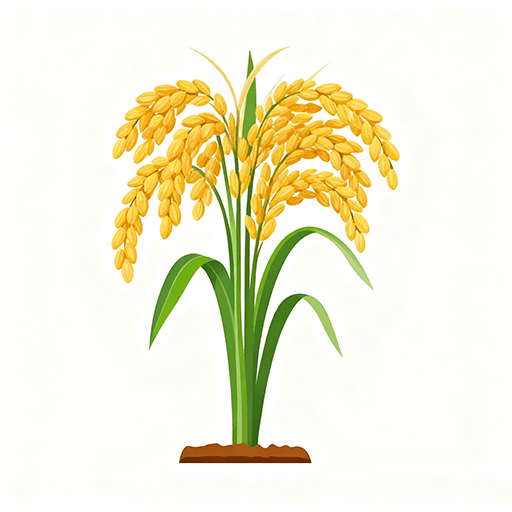
Cereal Crops
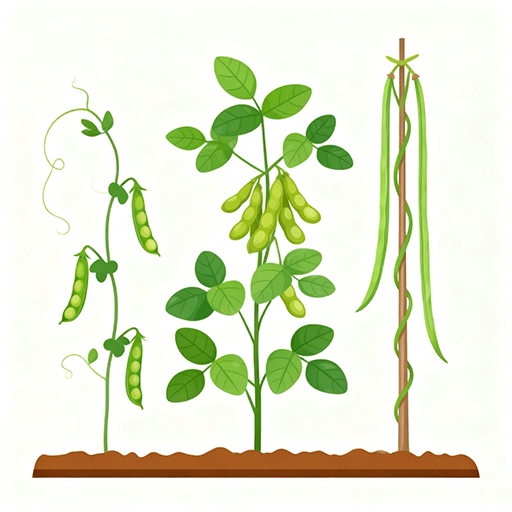
Legume Crops

Root & Tuber Crops