


- Home » How to Select the Optimal Rice-Specific Fertilizer
How to Select the Optimal Rice-Specific Fertilizer
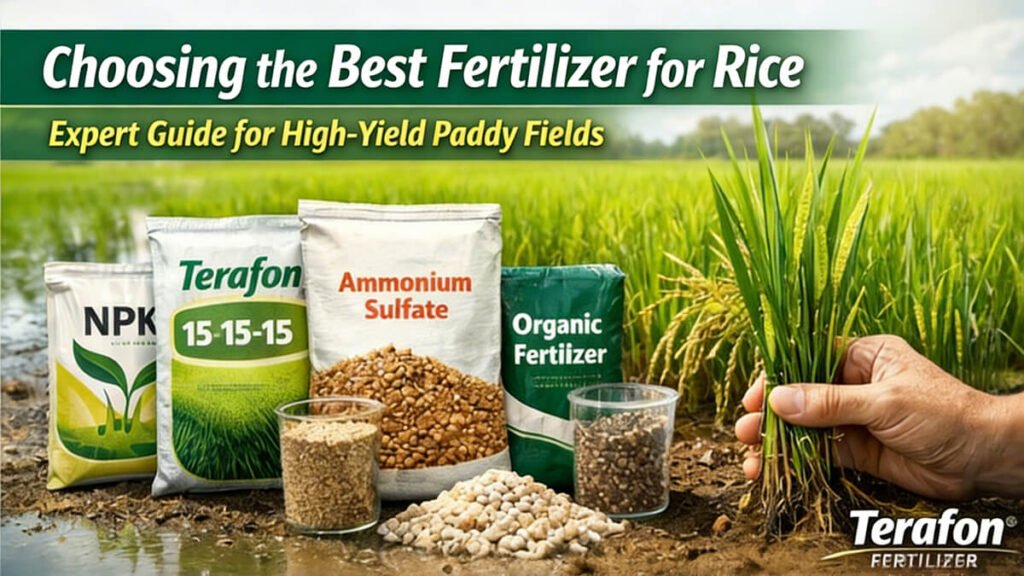
This guide explains how to select the best fertilizer for rice in flooded paddy fields, highlighting rice nutrient needs, the importance of soil testing, and key options including compound NPK, ammonium sulfate, organic, and trace element fertilizers. It shows how slow release fertilizers improve nutrient efficiency, reduce nitrogen loss, and enhance grain filling quality, supporting high-yield, sustainable rice nutrient management. Trusted brands like Terafon Fertilizer provide balanced, soil-friendly solutions for healthier paddies and higher harvests.
Table of Contents
- 1. Introduction: Importance of Rice Fertilizer Selection
- 2. Nutrient Characteristics in Flooded Paddy Fields
- 3. Rice Soil Testing Method
- 4. Performance Comparison of Different Fertilizers
- 5. Rice Fertilizer Schedule by Growth Stage
- 6. Determining the Best NPK Ratio for Rice
- 7. Trace Element and Secondary Nutrient Strategy
- 8. Flooded Field Slow Release Fertilizer Technology
- 9. Common Mistakes, Cost Control and Quality Improvement
- 10. Conclusion: Building a High-Yield Rice Nutrient Management System
1. Introduction: Importance of Rice Fertilizer Selection
In modern rice production systems, the key question is no longer only “using fertilizer or not,” but rather how to choose rice-specific fertilizer correctly, how to raise paddy fertilizer efficiency, and how to achieve high yield in flooded fields with balanced nutrition. Because rice roots grow under submerged and reduced conditions, nutrient transformation becomes complex. Without following the rice basal and topdressing technology and reliable paddy fertilizer selection guide, problems such as nitrogen volatilization, phosphorus fixation and potassium loss may occur. Therefore, a professional and SEO-friendly fertilizer guide is essential for both farmers and agronomists.
2. Nutrient Characteristics in Flooded Paddy Fields
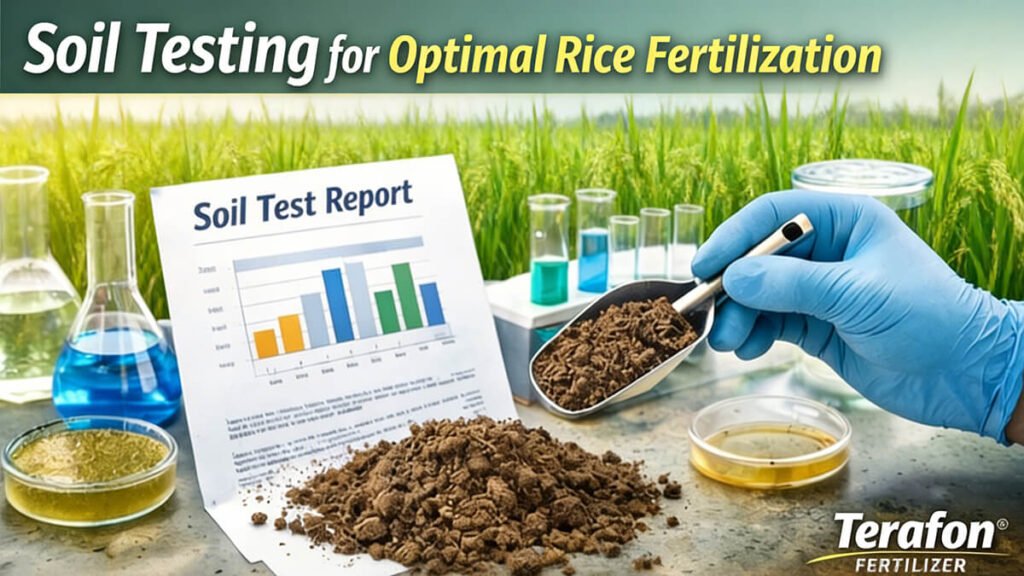
3. Rice Soil Testing Method

4. Performance Comparison of Different Fertilizers
4.1 Compound NPK for Paddy
Water-soluble compound NPK for paddy offers the advantage of supplying multiple nutrients in one application. When purchasing, attention should be paid to whether the rice special compound fertilizer formulation is clearly labeled, avoiding products with uncertain nutrient content.
4.2 Ammonium Sulfate Fertilizer for Rice
4.3 Organic Fertilizer in Rice Field
4.4 Trace Element Fertilizer for Paddy
5. Rice Fertilizer Schedule by Growth Stage
- Basal fertilizer application in paddy before transplanting
- Rice tillering nitrogen topdressing
- Rice panicle potassium fertilization at booting
- Foliar nutrient for rice grain during filling
6. Determining the Best NPK Ratio for Rice
There is no single universal figure. The real best NPK ratio for rice should be determined by:
✔ Soil testing result
✔ Hybrid rice fertilizer requirement
✔ Target yield in high yield paddy fertilizer plan
✔ Fertilizer deep placement in rice technology

7. Trace Element and Secondary Nutrient Strategy
8. Flooded Field Slow Release Fertilizer Technology
In recent years, Terafon Fertilizer highlight slow release fertilizer for flooded fields as an advanced solution. Flooded field slow release fertilizer can:
✔ Reduce nitrogen loss
✔ Synchronize nutrient with rice growth
✔ Lower labor cost in rice fertilization
It is an effective way to improve paddy fertilizer efficiency and sustainability.>
9. Common Mistakes, Cost Control and Quality Improvement
- Paying attention only to price but ignoring rice special compound fertilizer formulation
- Not following basal and topdressing schedule for rice
- Overusing ammonium sulfate fertilizer for rice
Neglecting soil microbial activity for paddy
10. Conclusion: Building a High-Yield Rice Nutrient Management System
Recommended Fertilizers
Liquid-Seaweed-Extracts
View Solutions
Macronutrient-Soluble-fertilizer
View Solutions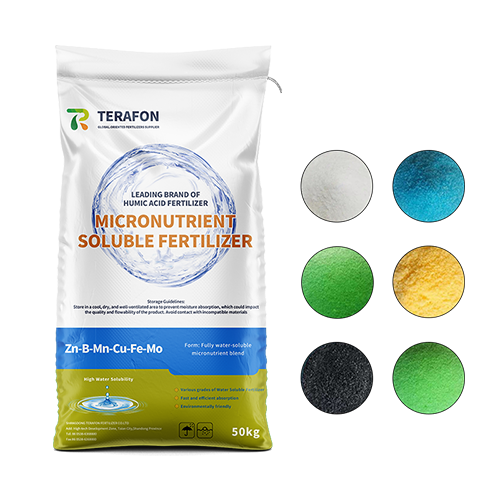
Micronutrient-Soluble-fertilizer
View Solutions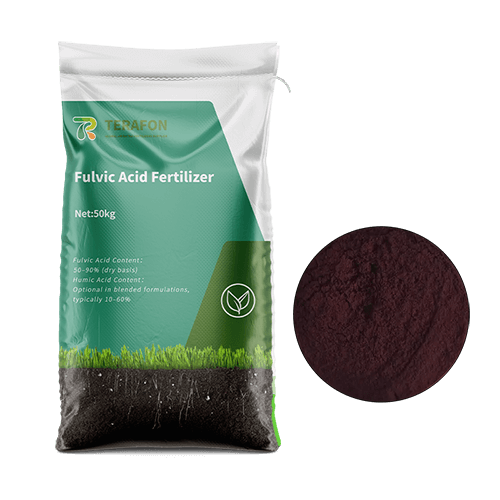
Functional-Soluble-fertilizer
View SolutionsSuitable Crops
Cereal Crops

Legume Crops

Root & Tuber Crops

Fruit Crops
Choose the Best Fertilizer for Rice
Learn how to select the best fertilizer for rice based on soil conditions and growth stages to boost nutrient efficiency, grain filling quality, and overall yield. Contact Terafon Fertilizer for professional guidance and customized rice fertilizer solutions.
