


- Home » Reduce Chemical Fertilizer Use in Tobacco...
Reduce Chemical Fertilizer Use in Tobacco Without Yield Loss
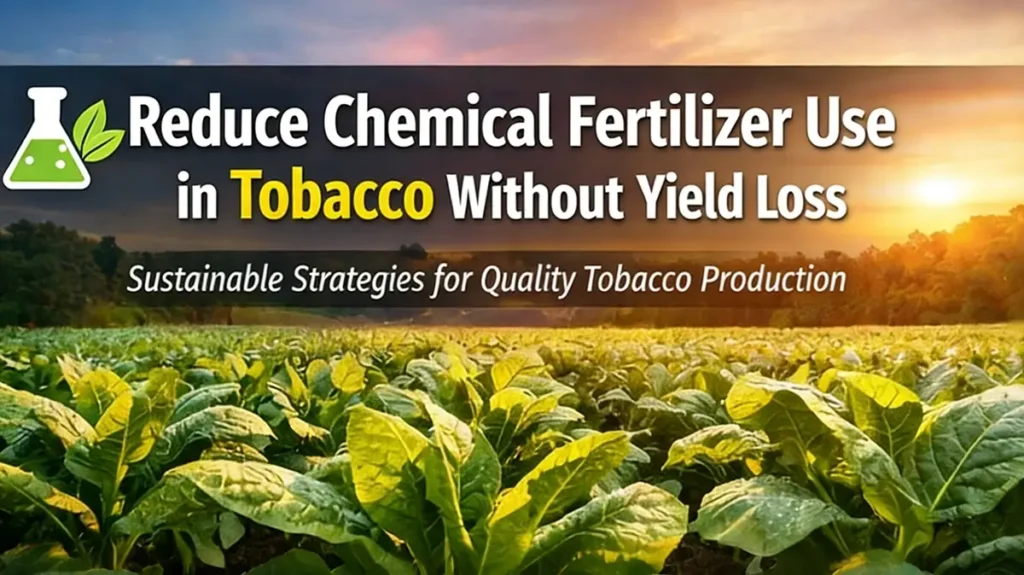
Evidence-Based Strategies from South American Tobacco-Growing Regions
Reducing chemical fertilizer use in tobacco production without compromising yield or leaf quality is achievable through integrated nutrient management. Field studies from major tobacco-growing regions in South America show that combining controlled-release nitrogen, organic amendments, and precision fertilization can lower chemical inputs by 20–40% while maintaining stable yields and desirable chemical composition. Optimized nutrient timing and soil health improvement not only enhance nitrogen use efficiency but also support consistent tobacco quality and sustainable long-term production.
As demand for efficient and sustainable tobacco cultivation grows, Terafon Fertilizer, including its tobacco-specific formulations, focuses on optimizing nutrient use rather than increasing fertilizer input.
Table of Contents
- 1. Fertilization Challenges in South American Tobacco
- 2. Nutrient Requirements of Tobacco Crops
- 3. Strategies to Reduce Fertilizer Without Yield Loss
- 4. Field Data and Research Evidence from South America
- 5. The Role of Soil–Microbial Systems in Fertilizer Reduction
- 6. Precision Fertilization Technologies for Tobacco Cultivation
- 7. Conclusion: Sustainable Tobacco Fertilization
1. Fertilization Challenges in South American Tobacco
South America is one of the world’s most important tobacco-producing regions. Brazil, particularly the southern states of Rio Grande do Sul, Santa Catarina, and Paraná, plays a central role in global flue-cured and Burley tobacco supply, followed by Argentina and other neighboring countries.
To secure stable yields, conventional tobacco production systems in these regions have traditionally relied on relatively high chemical fertilizer inputs, especially nitrogen and potassium. While this approach supports short-term productivity, it has also led to:
- Declining soil organic matter
- Reduced fertilizer use efficiency
- Rising production costs
- Increased environmental pressure
As a result, reducing chemical fertilizer use in tobacco cultivation without affecting yield and quality has become a priority topic for researchers and producers alike.
2. Nutrient Requirements of Tobacco Crops
Tobacco (Nicotiana tabacum) is highly sensitive to nutrient supply, and both yield formation and leaf quality depend on balanced nutrition.
- Nitrogen (N): Drives vegetative growth and leaf color; excessive nitrogen may increase nicotine content and reduce combustibility
- Potassium (K): Essential for burn quality, elasticity, and aroma development
- Phosphorus (P): Supports root development and early pla
Studies from southern Brazil indicate that under conventional fertilization regimes, nitrogen use efficiency often remains below 40%, highlighting substantial potential for fertilizer optimization.
3. Strategies to Reduce Fertilizer Without Yield Loss
3.1 Integrating Reduced Chemical Fertilizer Rates with Organic Inputs
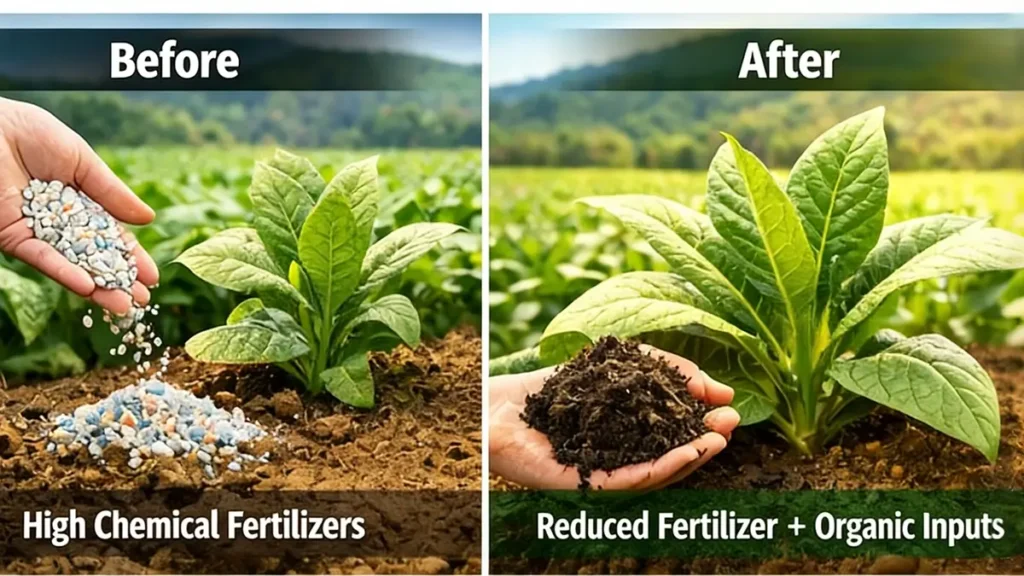
One of the most consistently validated strategies in South American tobacco systems is the partial substitution of chemical fertilizers with organic nutrient sources.
Field trials conducted in Brazil and Argentina show that when chemical nitrogen application is reduced by 20–40%, supplemented with organic materials such as humic substances or compost-based fertilizers:
- Tobacco yields remain stable or increase by 5–10%
- Leaf maturity and sugar accumulation improve
Economic returns are maintained or enhanced
These findings suggest that improving nutrient availability dynamics is often more effective than increasing total fertilizer input.
3.2 Biochar Application in Tobacco-Growing Soils
Biochar has shown strong potential as a soil amendment in the acidic soils commonly found in Brazilian tobacco regions.
Research indicates that combining biochar with a 10–20% reduction in nitrogen fertilizer can:
- Increase soil cation exchange capacity (CEC)
- Improve nitrogen retention and availability
- Enhance tobacco yield by 4–20%
Stabilize leaf chemical composition across growing seasons
Such results highlight the importance of soil-based nutrient management in fertilizer reduction strategies.
4. Field Data and Research Evidence from South America
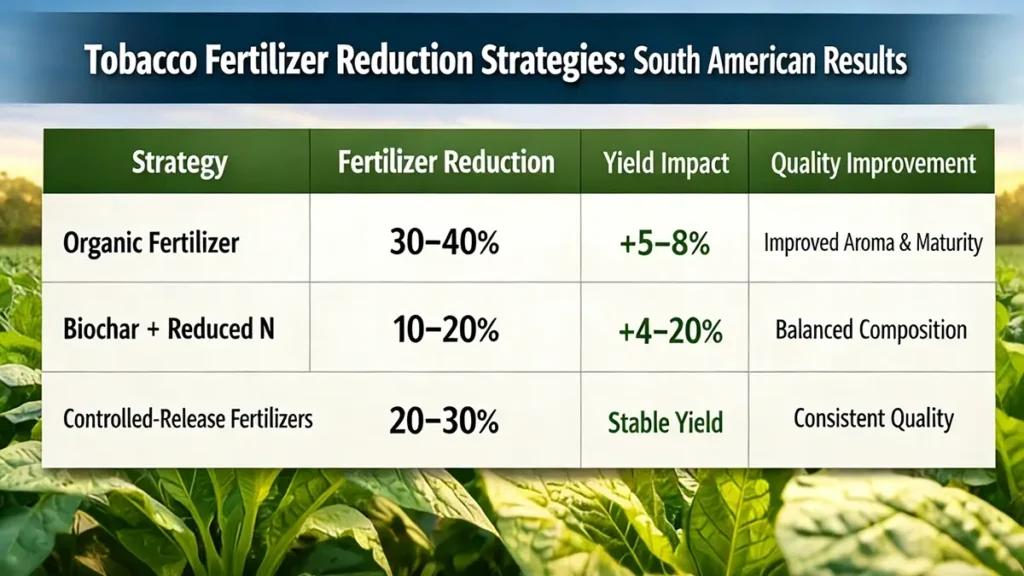
| Fertilization Strategy | Reduction in Chemical Fertilizer | Yield Response | Quality Impact | Applicable Regions |
|---|---|---|---|---|
| Organic fertilizer substitution | 30–40% | +5–8% | Improved maturity and aroma | Southern Brazil |
| Biochar + reduced nitrogen | 10–20% | +4–20% | More balanced chemical profile | Brazil, Argentina |
| Controlled-release fertilizers | 20–30% | Stable or slightly increased | Improved consistency | Flue-cured tobacco areas |
These results confirm that chemical fertilizer reduction does not inherently compromise tobacco yield or quality when supported by appropriate agronomic practices.
Technical Perspective
From a nutrient management standpoint, fertilizer manufacturers such as Terafon Fertilizer, including its development of tobacco-specific fertilizer products, emphasize improving nutrient use efficiency and crop compatibility rather than maximizing fertilizer application rates.
5. The Role of Soil–Microbial Systems in Fertilizer Reduction
Successful fertilizer reduction strategies depend heavily on soil biological processes.
Research in South American tobacco fields shows that organic amendments and biochar:
- Increase populations of beneficial nitrogen-fixing and phosphorus-solubilizing microorganisms
- Enhance nutrient cycling in the rhizosphere
- Reduce nutrient losses while maintaining steady nutrient supply to plants
This soil–microbe–plant interaction is a fundamental mechanism enabling reduced fertilizer inputs without yield penalties.
6. Precision Fertilization Technologies for Tobacco Cultivation
Precision agriculture technologies are increasingly applied in large-scale Brazilian tobacco farms, including:
- Site-specific soil nutrient diagnostics
- Growth-stage-based fertilizer scheduling
- Leaf analysis for nitrogen and potassium adjustment
These technologies allow growers to further reduce fertilizer use by 10–15%, while maintaining tobacco leaf grade and market quality.

7. Conclusion: Sustainable Tobacco Fertilization
Evidence from major tobacco-growing regions in South America demonstrates that:
- Reduced chemical fertilizer use does not necessarily reduce tobacco yield or quality
- Organic inputs, biochar, and controlled-release fertilizers are effective fertilizer optimization tools
- Soil health and microbial activity are essential for long-term productivity
Precision fertilization represents a key direction for sustainable tobacco cultivation
Closing Insight
As sustainability becomes increasingly central to global tobacco production, fertilizer developers such as Terafon Fertilizer, including those focused on tobacco-specific fertilizer solutions, continue to align product development with research-driven, efficiency-oriented nutrient management principles.
Frequently Asked Questions (FAQs)
Yes. Field trials show that partially substituting chemical nitrogen with organic fertilizers (e.g., replacing 15% of N) maintains or improves flue-cured tobacco yield and leaf quality while enhancing soil fertility and enzyme activity.
Reducing nitrogen by 10–20%, especially when combined with soil amendments like biochar, improves nitrogen use efficiency and supports stable tobacco yield and quality.
Combining organic and inorganic fertilizers increases both yield and leaf chemical composition. Lower ratios of organic nitrogen (15–30%) improve yield, while higher ratios enhance leaf quality balance.
Yes. Long-term reduction combined with organic amendments increases soil organic carbon, microbial biomass, and nutrient availability, supporting higher yield and consistent leaf quality.
Beneficial soil microbes are crucial. Organic amendments boost nitrogen-fixing and phosphorus-solubilizing bacteria, improving nutrient cycling and helping maintain yield under reduced chemical fertilizer input.
Yes. Incorporating green manure crops, such as smooth vetch, alongside reduced nitrogen application can increase tobacco yield by 4.8–9.9% and enhance soil fertility in field experiments.
Recommended Fertilizers
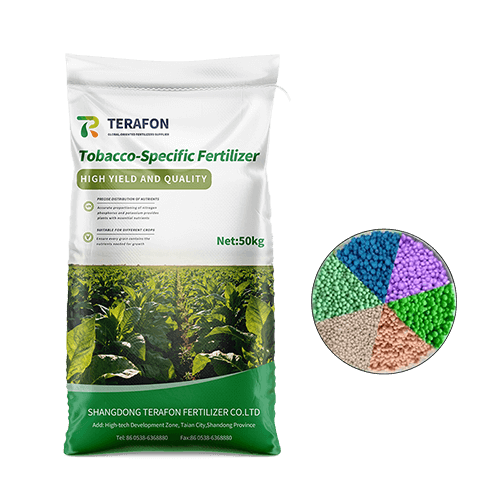
Tobacco Fertilizer
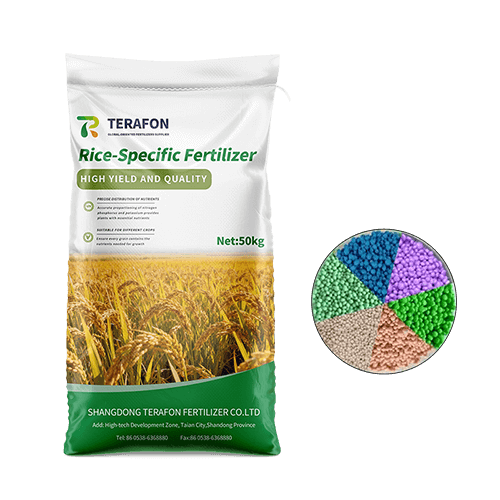
Rice Fertilizer
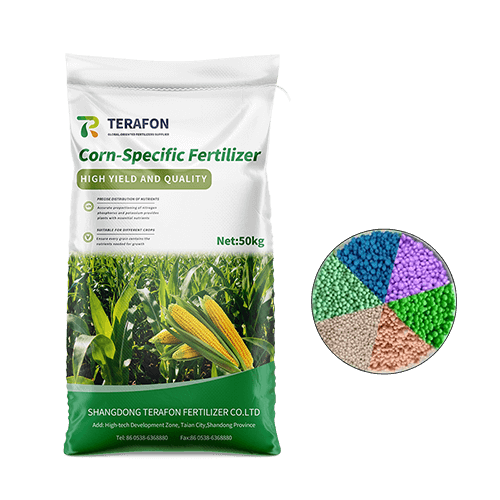
Corn Fertilizer
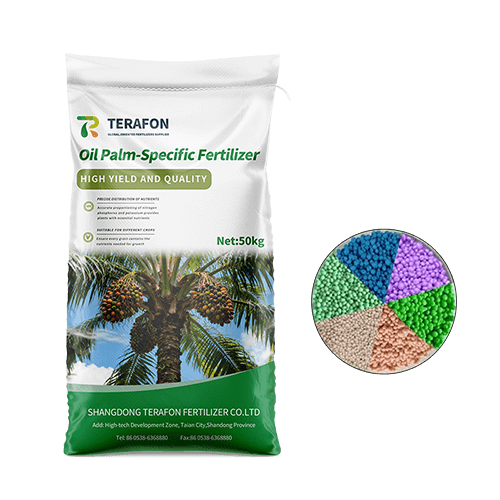
Oil Palm Fertilizer
Suitable Crops
Fruit Trees & Orchards
Legume Crops
Leafy & Fruiting Vegetables
Root & Bulb Vegetables
Reduce Chemical Fertilizer Use in Tobacco with Confidence
Select fertilizer strategies based on tobacco variety, soil fertility, and growth stage to reduce chemical inputs while maintaining stable leaf quality and yield. Consult Terafon Fertilizer – tobacco-specific formulations for expert guidance and support.
