


- Home » Organic–Inorganic Compound Fertilizer...
Organic–Inorganic Compound Fertilizer for Sustainable Crop Nutrition
Organic–inorganic compound fertilizer combines fast-acting NPK nutrients with soil-improving organic matter to deliver balanced crop nutrition and long-term soil health. This integrated fertilizer system improves nutrient use efficiency, enhances soil structure, and supports consistent crop growth across grains, vegetables, fruit trees, and greenhouse crops.
Available in low, medium, and high organic matter formulations, organic–inorganic NPK fertilizers outperform traditional chemical and organic fertilizers by providing stable yields, reduced nutrient loss, and improved sustainability. Designed for modern agriculture, Terafon Fertilizer offers advanced organic–inorganic compound fertilizer solutions that help growers achieve higher productivity while maintaining soil fertility and environmental responsibility.
Table of Contents
- 1. What Is Organic–Inorganic Compound Fertilizer?
- 2. Scientific Principles Behind Organic–Inorganic Fertilizers
- 3. Key Advantages of Organic–Inorganic Compound Fertilizer
- 4. Nutrient Structure: NPK and Organic Matter Explained
- 5. Classification of Organic–Inorganic NPK Fertilizers
- 6. Crop Applications and Recommended Uses
- 7. Comparison with Chemical and Organic Fertilizers
- 8. Market Trends and Sustainable Agriculture Development
- 9. Best Practices for Application
- 10. Conclusion: The Future of Balanced Fertilization
1. What Is Organic–Inorganic Compound Fertilizer?
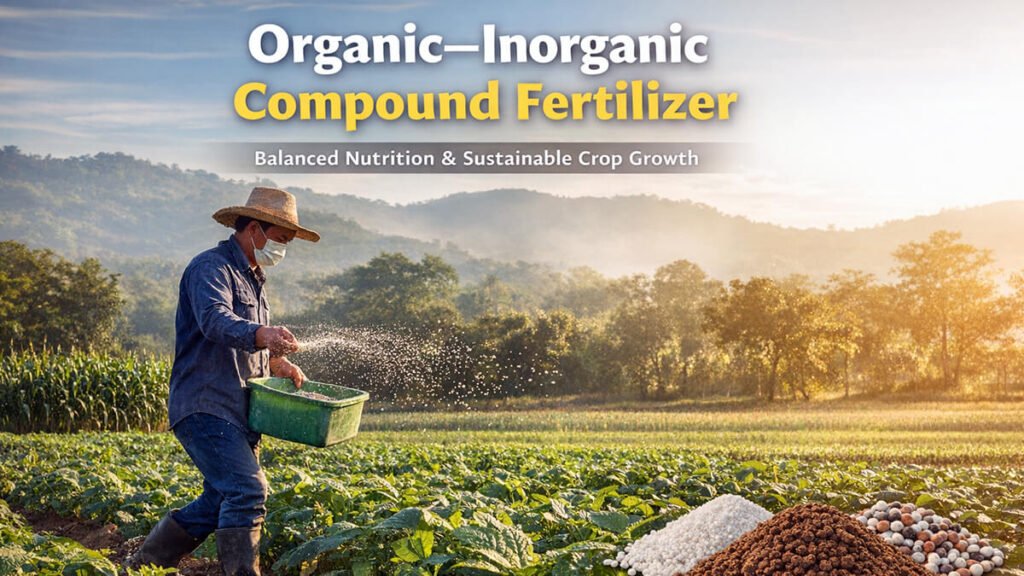
Organic–inorganic compound fertilizer is a blended fertilizer that combines inorganic nutrients—primarily nitrogen (N), phosphorus (P₂O₅), and potassium (K₂O)—with a controlled proportion of organic matter. This formulation is designed to deliver rapid nutrient availability while simultaneously improving soil structure, microbial activity, and long-term fertility.
Unlike conventional chemical fertilizers or pure organic fertilizers, organic–inorganic compound fertilizers offer a balanced nutrient supply system suitable for modern intensive farming, greenhouse cultivation, and large-scale agricultural production.
2. Scientific Principles Behind Organic–Inorganic Fertilizers
- Inorganic NPK provides immediate nutrient uptake for crops.
- Organic matter enhances nutrient retention, reduces leaching losses, and improves soil cation exchange capacity (CEC).
- Organic components stimulate beneficial soil microorganisms, improving nutrient transformation and root-zone efficiency.
Research and field applications consistently show that integrated organic–inorganic fertilization improves nutrient use efficiency (NUE) and reduces the negative environmental impacts associated with excessive chemical fertilizer use.
3. Key Advantages of Organic–Inorganic Compound Fertilizer
• Improved Nutrient Efficiency
• Enhanced Soil Health
• Balanced Crop Nutrition
• Reduced Environmental Impact
Lower nutrient losses translate into reduced groundwater contamination and improved environmental sustainability.
4. Nutrient Structure: NPK and Organic Matter Explained
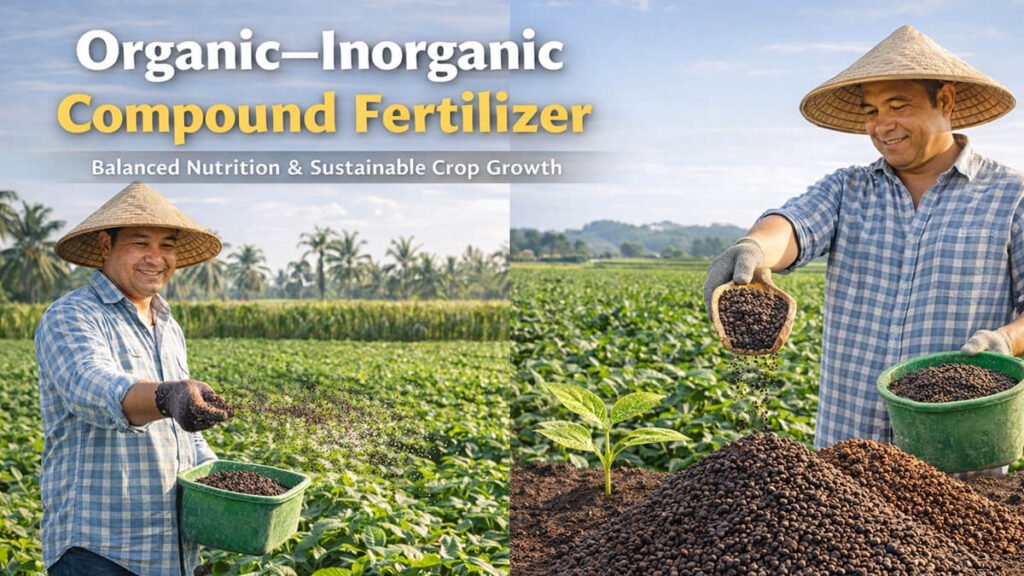
Inorganic Nutrients (NPK)
- Nitrogen (N): Promotes vegetative growth, leaf expansion, and photosynthesis
- Phosphorus (P₂O₅): Supports root development, flowering, and energy transfer
- Potassium (K₂O): Enhances stress tolerance, disease resistance, and crop quality
Organic Matter
- Improves soil physical and chemical properties
- Supports microbial populations
Enables slow and sustained nutrient release
The integration of these components makes organic–inorganic compound fertilizer an ideal solution for high-efficiency fertilizer programs.
5. Classification of Organic–Inorganic NPK Fertilizers
- Total NPK content: ≥ 35%
- Organic matter: up to 7%
- Typical formula: NPK 10-10-10
Fast nutrient release with moderate soil improvement. Recommended Uses:
- Cereals such as maize, wheat, and rice
- High-demand growth stages
- Large-scale field crop production
- Total NPK content: ≤ 25%
- Organic matter: up to 10%
- Typical formula: NPK 4-5-6
Balanced nutrient supply with enhanced soil responsiveness. Recommended Uses:
- Vegetables
- Fruit trees during growth periods
- Greenhouse and protected agriculture
At this level, many professional growers choose formulations developed by Terafon Fertilizer to achieve consistent nutrient delivery and improved crop quality.
- Total NPK content: ≤ 15%
Organic matter: up to 30%
Strong soil-conditioning capacity with long-term fertility improvement. Recommended Uses:
- Orchards, vineyards, and perennial crops
- Degraded or continuously cropped soils
Ecological and transitional organic farming systems
6. Crop Applications and Recommended Uses
| Crop Type | Recommended Fertilizer Type |
|---|---|
| Grain crops | Low organic NPK fertilizer |
| Vegetables | Medium organic NPK fertilizer |
| Fruit trees | Medium to high organic NPK fertilizer |
| Greenhouse crops | Medium organic compound fertilizer |
| Poor or degraded soils | High organic compound fertilizer |
7. Comparison with Chemical and Organic Fertilizers
| Aspect | Chemical Fertilizer | Organic Fertilizer | Organic–Inorganic Compound |
|---|---|---|---|
| Nutrient release | Fast | Slow | Fast + sustained |
| Nutrient balance | Limited | Variable | Highly balanced |
| Soil improvement | Low | High | High |
| Yield stability | Moderate | Variable | High |
| Sustainability | Low | Medium | High |
8. Market Trends and Sustainable Agriculture Development
Driven by global demand for sustainable fertilizer solutions, organic–inorganic compound fertilizers are gaining rapid adoption in both developed and emerging agricultural markets.
Key trends include:- Customized nutrient formulations
- Integration with precision agriculture technologies
- Increased use in environmentally regulated regions
These trends position organic–inorganic fertilizers as a cornerstone of modern crop nutrition strategies.
9. Best Practices for Application
- Conduct soil testing before fertilizer selection
- Apply according to crop growth stages
- Combine with proper irrigation management
Avoid excessive application to maximize nutrient efficiency
Following best practices ensures long-term soil productivity and stable yields.
10. Conclusion: The Future of Balanced Fertilization
Organic–inorganic compound fertilizer represents a scientifically proven approach to achieving high yields, improved soil health, and sustainable agricultural development. By combining the strengths of inorganic nutrients and organic matter, it offers growers a reliable and environmentally responsible fertilization solution.
With continuous innovation and agronomic expertise, Terafon Fertilizer remains dedicated to supporting global farmers through advanced organic–inorganic fertilizer solutions that meet the challenges of modern agriculture.
Recommended Fertilizers
Urea Fertilizer
View Solutions
NPK Fertilizer
View Solutions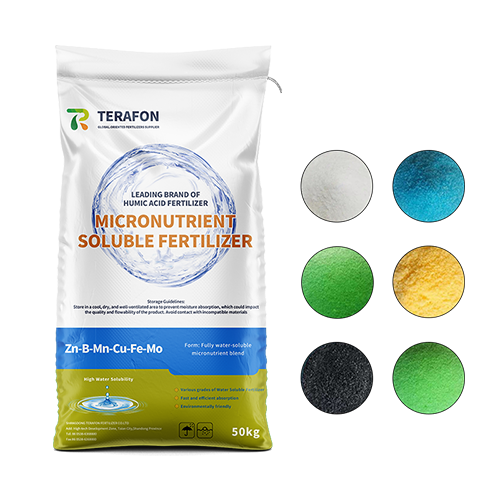
Water Soluble Fertilizer
View Solutions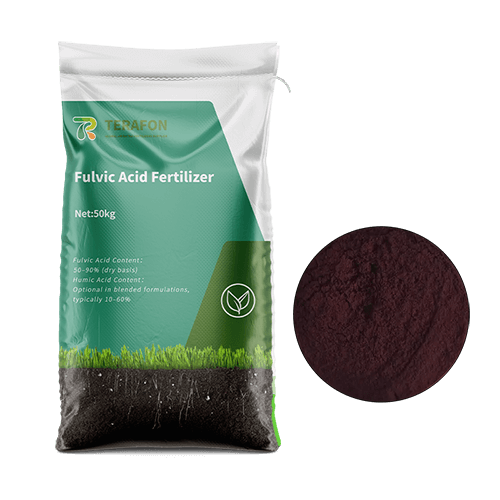
Fulvic-Acid-Fertilizer
View SolutionsSuitable Crops
Cereal Crops
Legume Crops
Root & Tuber Crops
Fruit Crops
Organic–Inorganic Compound Fertilizers for Balanced Crop Nutrition
Discover the range of organic–inorganic compound fertilizers designed to provide both immediate nutrient availability and long-term soil improvement. Contact our agronomy team for expert guidance and tailored fertilizer solutions to optimize crop growth and yield.
