- Home » Types of NPK Fertilizers...
Types of NPK Fertilizers: Ratios, Uses & Selection Guide
NPK fertilizers supply plants with three essential macronutrients—nitrogen (N), phosphorus (P), and potassium (K)—that are critical for healthy growth, yield performance, and crop quality. This article provides a comprehensive overview of the main types of NPK fertilizers, including classifications by nutrient ratio, physical form, concentration, and crop application stage. It explains how different NPK formulations support vegetative growth, root development, flowering, and stress resistance, while offering practical guidance on selecting the right NPK fertilizer based on crop type and soil conditions. With scientifically balanced solutions such as Terafon® NPK fertilizers, growers and distributors can improve nutrient efficiency and achieve more sustainable, high-performance agricultural production.
Table of Contents
- 1. What Is NPK Fertilizer? Meaning of the Numbers
- 2. Core Functions of Nitrogen (N), Phosphorus (P), and Potassium (K)
- 3. Types of NPK Fertilizers by Nutrient Ratio
- 4. Types of NPK Fertilizers by Physical Form
- 5. Classification by Nutrient Concentration and Source
- 6. Selecting NPK Fertilizers for Crops and Growth Stages
- 7. Practical Guidelines for Scientific NPK Application
- 8. Common Mistakes and Professional Recommendations
- 9. Conclusion

1. What Is NPK Fertilizer? Meaning of the Numbers
NPK fertilizer refers to compound or blended fertilizers that contain the three primary macronutrients essential for plant growth: Nitrogen (N), Phosphorus (P), and Potassium (K).
The numerical ratios displayed on fertilizer labels—such as 15‑15‑15, 20‑10‑10, or 10‑30‑20—represent the percentage by weight of:
| Number Position | Nutrient Represented |
|---|---|
| First number | Total Nitrogen (N) |
| Second number | Available Phosphorus expressed as P₂O₅ |
| Third number | Soluble Potassium expressed as K₂O |
Example: A 20‑10‑10 fertilizer contains 20% nitrogen, 10% P₂O₅, and 10% K₂O by weight.
2. Core Functions of Nitrogen (N), Phosphorus (P), and Potassium (K)
| Nutrient | Primary Functions | Deficiency Symptoms |
| Nitrogen (N) | Promotes leaf and stem growth, chlorophyll formation | Yellowing leaves, stunted growth |
| Phosphorus (P) | Enhances root development, flowering, energy transfer (ATP) | Poor rooting, delayed maturity |
| Potassium (K) | Improves stress tolerance, disease resistance, crop quality | Weak plants, low fruit quality |
🔍 Professional Insight: Nitrogen drives vegetative growth, phosphorus supports roots and reproductive stages, while potassium determines crop quality and resilience.
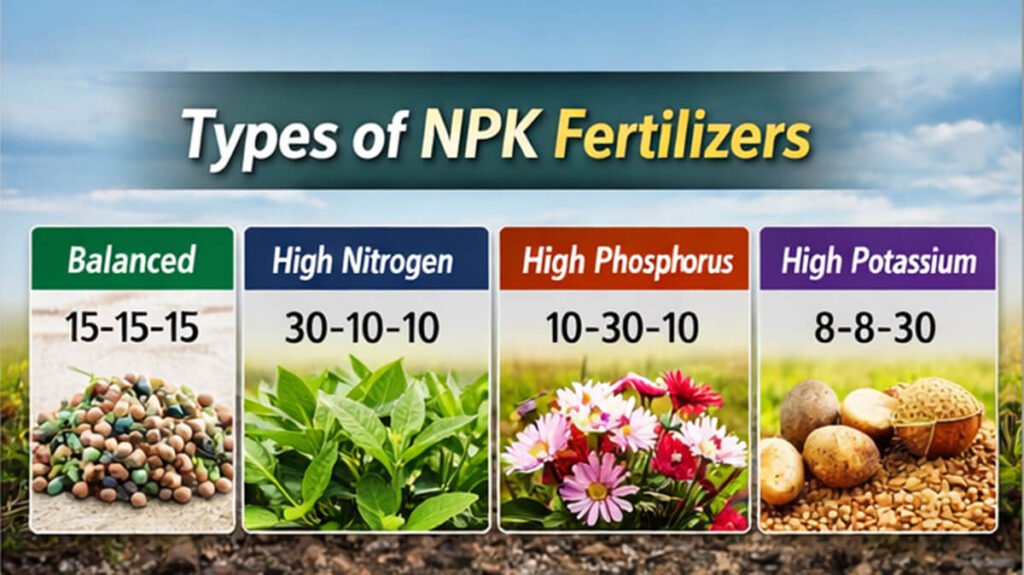
3. Types of NPK Fertilizers by Nutrient Ratio
| Common Ratios | Characteristics | Typical Applications |
| 10‑10‑10 | General maintenance | Field crops, soil conditioning |
| 15‑15‑15 | Universal compound | Multi‑crop, full‑cycle use |
| 20‑20‑20 | High‑efficiency | Water‑soluble feeding and fertigation |
Balanced formulations are widely used as base fertilizers, including in premium compound solutions such as Terafon® balanced NPK fertilizers, designed for stable nutrient availability across diverse crops.
| Common Ratios | Performance Focus | Typical Use |
| 10‑5‑45 | Quality improvement | Fruits, tuber crops |
| 8‑8‑30 | Stress resistance | Late growth stages |
High‑potassium formulas are frequently incorporated into Terafon® crop‑specific NPK programs to enhance fruit size, color, and shelf life.
3.5 Incomplete NPK Fertilizers
Incomplete NPK fertilizers lack one primary nutrient (e.g., 0‑20‑20 or 10‑0‑10) and are mainly used for targeted soil correction or precision nutrient management.
4. Types of NPK Fertilizers by Physical Form
| Form | Characteristics | Advantages | Considerations |
| Granular | Most common solid form | Easy storage, long residual effect | Slower nutrient release |
| Water‑Soluble | Fully dissolvable | Fast uptake, ideal for fertigation | Higher cost |
| Liquid | Ready‑to‑use | Precise application | Storage and transport sensitivity |
5. Classification by Nutrient Concentration and Source
5.1 By Nutrient Concentration
| Type | Characteristics | Recommended Use |
| High‑Concentration NPK | High total nutrient content | Large‑scale commercial farming |
| Medium/Low‑Concentration NPK | Milder formulation | Horticulture, specialty crops |
5.2 By Nutrient Source
| Category | Key Features | Application Notes |
| Inorganic NPK | Fast‑acting nutrients | Mainstream intensive agriculture |
| Organic / Bio‑based NPK | Improves soil structure | Often combined with inorganic NPK |
Modern solutions such as Terafon® integrated NPK fertilizers combine mineral efficiency with improved nutrient use efficiency for sustainable agriculture.
6. Selecting NPK Fertilizers for Crops and Growth Stages
6.1 By Growth Stage
| Growth Stage | Recommended Nutrient Focus |
| Seedling | Higher phosphorus |
| Vegetative growth | Higher nitrogen |
| Flowering & fruiting | Phosphorus + potassium |
| Maturation | High potassium, low nitrogen |
6.2 By Crop Type
| Crop Category | Recommended NPK Type |
| Leafy vegetables | High‑nitrogen NPK |
| Fruit vegetables | Balanced → high‑potassium |
| Fruit trees | Stage‑specific formulations |
| Turf & lawn | High‑nitrogen, low‑phosphorus |

7. Practical Guidelines for Scientific NPK Application
Soil testing to determine baseline nutrient levels (strongly recommended)
Set yield targets based on crop type and regional data
Select appropriate NPK ratios aligned with crop demand
Calculate application rates according to nutrient percentages
Choose application method: basal, top‑dressing, foliar, or fertigation
8. Common Mistakes and Professional Recommendations
❌ Using the same NPK ratio continuously (e.g., only 15‑15‑15)
❌ Over‑applying nitrogen while neglecting potassium
❌ Ignoring soil nutrient balance and micronutrients
✅ Professional Recommendation: NPK fertilization should be dynamic, data‑driven, and adjusted throughout the crop cycle—an approach widely adopted in Terafon® professional fertilizer programs.
9. Conclusion
There is no universal NPK formula suitable for all crops and soils. Efficient and sustainable fertilization depends on scientific understanding, soil testing, and precise matching of nutrients to crop demand. By mastering the classification and application logic of NPK fertilizers , growers and distributors can significantly improve yield performance, product quality, and fertilizer efficiency.
Extended Value: This article can be complemented with crop‑specific NPK charts, fertilizer rate calculators, and seasonal fertilization plans to further enhance user engagement and conversion.
Recommended Fertilizers
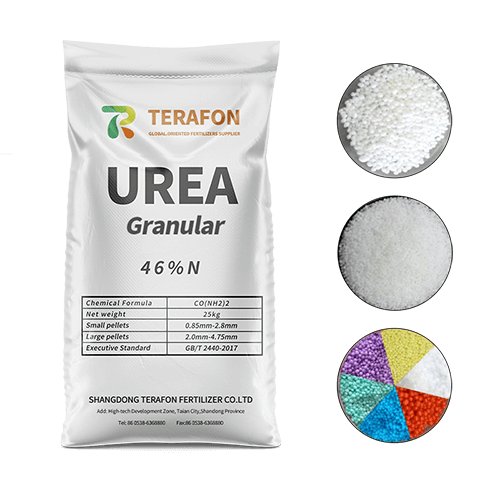
Urea Fertilizer
View Solutions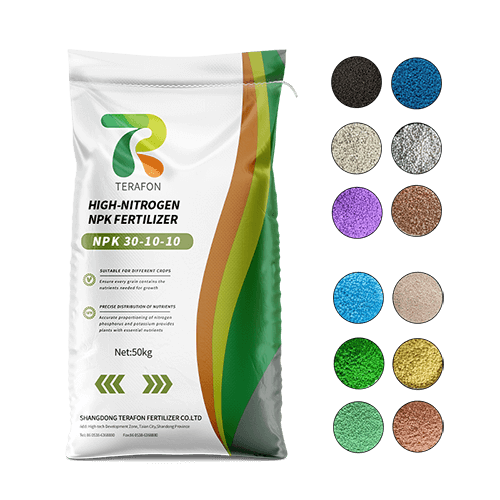
NPK Fertilizer
View Solutions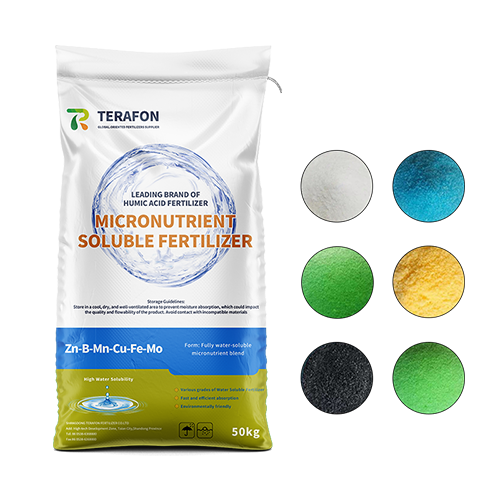
Water Soluble Fertilizer
View Solutions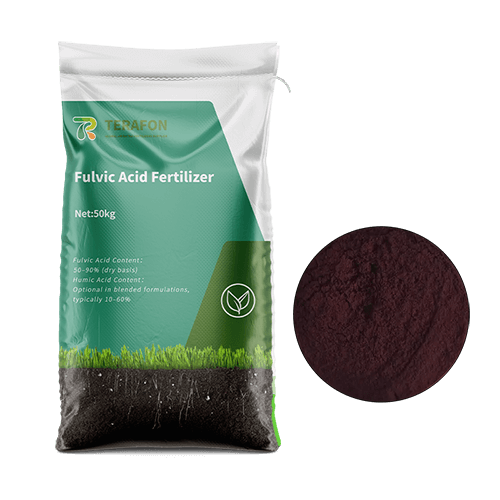
Fulvic-Acid-Fertilizer
View SolutionsSuitable Crops
Cereal Crops

Legume Crops

Root & Tuber Crops