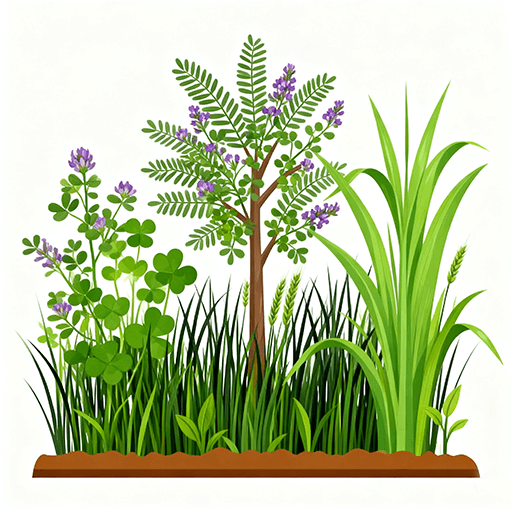
This comprehensive guide explores nitrogen elements, including their types, mechanisms of action, and best application practices. It details the identification, causes, and solutions for nitrogen deficiency in plants, as well as optimal application timing, prevention strategies, and the use of modern technologies in nitrogen management. Integrating soil testing, precision application, and advanced tools, this guide aims to maximize crop yield and quality, enhance nitrogen use efficiency, and minimize environmental impact, providing authoritative reference for effective crop nutrition management.
1. What are Nitrogen Elements and Their Role
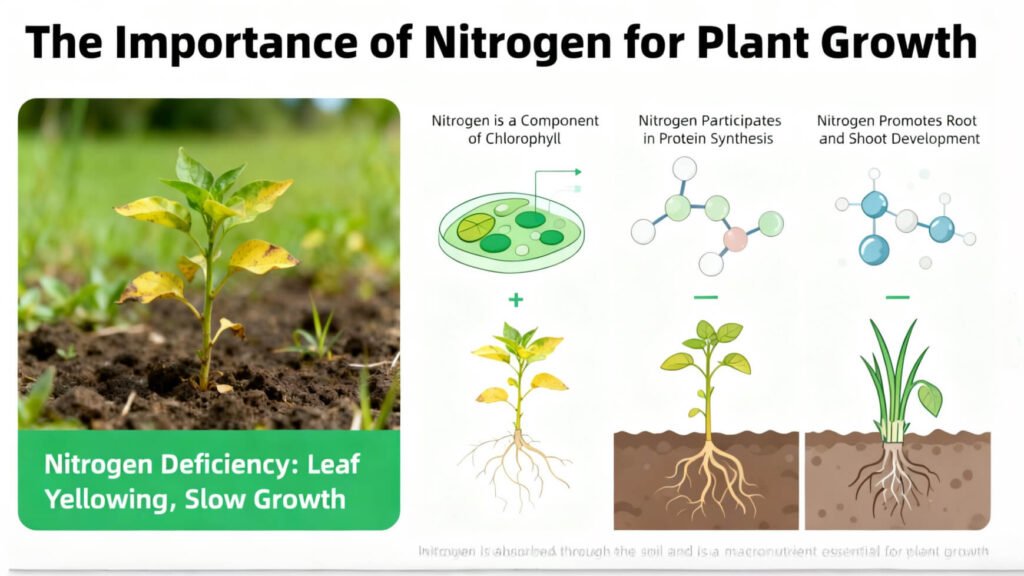
Nitrogen elements are essential nutrients for plants, promoting healthy growth and development. Nitrogen is a key component of chlorophyll, vital for photosynthesis, protein synthesis, and overall plant functions. Deficiency in nitrogen can lead to yellowing leaves, stunted growth, poor fruit development, and reduced crop yield.
Key roles of nitrogen elements include:
- Chlorophyll synthesis: Nitrogen contributes to the formation of chlorophyll, enabling efficient photosynthesis and plant energy production.
- Protein & amino acid production: Vital for plant cell structure and metabolic functions.
- Growth and yield: Supports the development of stems, leaves, flowers, and fruits, enhancing overall crop productivity.
2. Types of Nitrogen Elements
2.1 Nitrate-Based Nitrogen Elements
Examples: Sodium nitrate, Calcium nitrate, Potassium nitrate
Characteristics: Nitrogen is in the form of nitrate ions (NO₃⁻), which are easily absorbed by plants.
Advantages: Rapid nitrogen supply to plants and helps regulate soil pH.
Precautions: May leach away in heavy rainfall, so should be applied in split doses or bands.
Best for: Leafy vegetables, fast-growing crops, and fruits.
2.2 Ammonium-Based Nitrogen Elements
Examples: Ammonium sulfate, Ammonium chloride
Characteristics: Nitrogen is in the form of ammonium ions (NH₄⁺), which release slowly over time.
Advantages: Provides a steady nitrogen supply, less prone to leaching.
Precautions: Long-term use may cause soil acidification.
Best for: Grains, legumes, and root crops.
2.3 Ammonium-Nitrate Nitrogen Elements
Examples: Ammonium nitrate, Calcium ammonium nitrate
Features: Combines fast-acting nitrate and slow-release ammonium.
Crops: Corn, wheat, rice, high-yield crops.
2.4 Amide-Based Nitrogen Elements
Examples: Urea, Calcium cyanamide
Characteristics: High nitrogen content, water-soluble, and converted to ammonium in the soil through microbial processes.
Best for: Base or top-dressing applications, can be used with foliar treatments.
3. How to Apply Nitrogen Elements
Forms of Nitrogen Elements:
Solid form: Granules or pellets, which release nitrogen slowly. Ideal for split applications to avoid over-application and plant damage.
Liquid Nitrogen: Rapid absorption by plants, suitable for quick nitrogen supplementation. Requires careful dosing to avoid toxicity.
Application Methods:
Banding or row application: Place nitrogen elements near the root zone for optimal absorption.
Soil contact: Ensure the nitrogen elements are in direct contact with the soil to minimize volatilization and loss to the air.
Fertigation: Apply nitrogen elements through irrigation systems for precise and efficient distribution, ensuring even coverage.
Best Practices:
Split applications: Apply nitrogen in multiple smaller doses throughout the growing season to improve uptake and prevent wastage.
Combination with phosphorus: In alkaline soils, combining nitrogen with phosphorus can enhance nutrient uptake and overall plant health.
Foliar application: In case of deficiencies, nitrogen elements can be applied directly to plant leaves for rapid absorption.
Tip: Controlled-release or slow-release nitrogen elements can help improve efficiency, reduce losses, and provide a steady supply of nitrogen for extended periods.
4. Signs of Nitrogen Deficiency

Nitrogen element deficiency manifests in several visual and physiological symptoms:
Yellowing of older leaves: Older leaves turn yellow first, with a V-shaped chlorosis spreading from the tips toward the base of the leaf.
Stunted growth: Plants exhibit reduced growth, smaller leaves, and fewer branches.
Purple or reddish discoloration: Stems or the underside of leaves may show purple or red hues due to nitrogen stress.
Reduced flowering and fruiting: Inadequate nitrogen results in fewer flowers and fruit, with potential early wilting.
Severe deficiency: In extreme cases, nitrogen shortage leads to tissue necrosis and significant yield loss.
Professional tip: Regularly monitor leaf color and plant vigor to detect nitrogen deficiency early, allowing for timely corrective action.
5. Factors Causing Nitrogen Deficiency
Sandy or well-drained soils: These soils are more prone to nitrogen element leaching, reducing nitrogen availability for plants.
Extreme weather conditions: Heavy rainfall, drought, or low temperatures can limit nitrogen uptake and cause nutrient imbalances.
Soil pH imbalance: Either too high or too low soil pH can hinder nitrogen element absorption by plants.
Weak root systems or weed competition: Poor root health or competition from weeds reduces the plant’s ability to absorb nitrogen elements.
Improper or insufficient application: Incorrect application or inadequate nitrogen supply can lead to deficiency.
Low soil organic matter: Soils with low organic content may not retain enough nitrogen for plant use, leading to nutrient shortages.
6. How to Address Nitrogen Deficiency
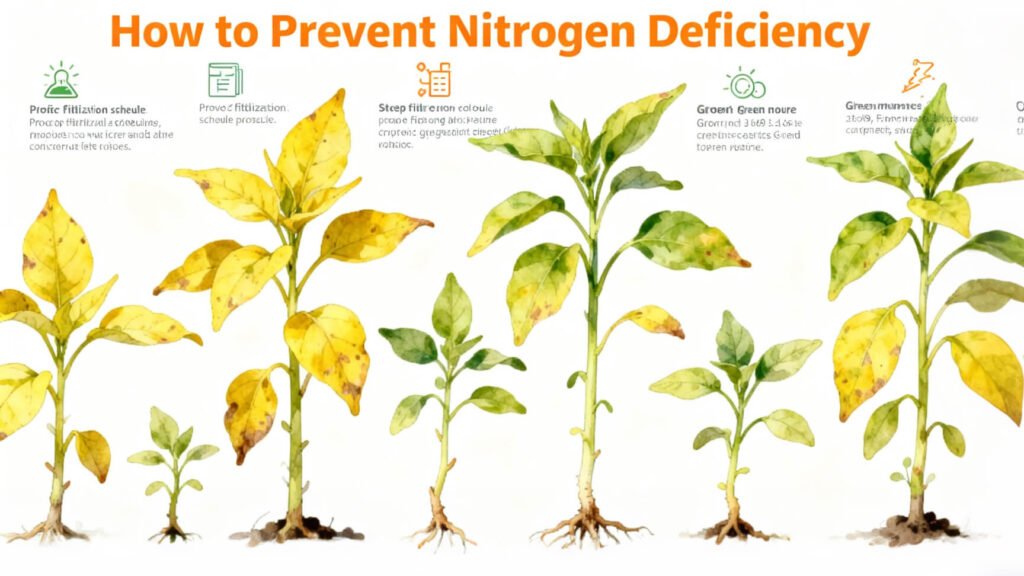
Organic sources: Compost, green manure, animal manure, and legume residues provide slow-release nitrogen elements, enhancing soil health.
Inorganic sources: Urea, ammonium nitrate, and other nitrogen-rich compounds offer fast-acting nitrogen elements for immediate plant needs.
Strategy: Use soil tests to determine nitrogen requirements, apply in split doses, and utilize foliar sprays if necessary for rapid correction.
Tip: Combining both organic and inorganic sources of nitrogen elements improves soil fertility and increases nitrogen efficiency for plant growth.
7. Optimal Timing for Nitrogen Application
Timing is critical to maximize efficiency and minimize losses:
Spring-sown crops: Apply nitrogen elements as a base before or at the seedling stage.
Autumn-sown crops: Apply nitrogen elements before sowing as a base application.
High-demand periods: During rapid vegetative growth, split applications of nitrogen elements are recommended for consistent supply.
Avoid rainy or saturated soil conditions: To prevent nitrogen element leaching and runoff, avoid applying during heavy rainfall or when the soil is overly wet.
Advanced tip: Align nitrogen application with crop nitrogen demand curves and growth models for precision and optimal efficiency.
8. How to Determine When to Apply Nitrogen Elements
Proper timing is crucial to optimize nitrogen element use and avoid over- or under-application:
Leaf color monitoring: Observe leaf color changes; nitrogen deficiency often leads to yellowing of older leaves, starting at the tips.
Soil and leaf nitrogen testing: Conduct soil and leaf tissue tests to measure nitrogen levels and determine the plant’s needs.
Growth models and local climate data: Use growth models in combination with local weather patterns to predict the optimal time for nitrogen application.
Avoid over-application: Apply nitrogen elements in stages according to plant growth stages to reduce wastage and ensure steady nutrient supply.
Tip: Split applications based on the plant’s growth cycle provide better nitrogen efficiency and help reduce environmental impact.
9. How to Prevent Nitrogen Deficiency in Plants
Preventive strategies reduce the risk of nitrogen element limitation:
Improve soil organic matter: Enhance nutrient retention by adding compost, organic mulch, and cover crops to boost nitrogen availability.
Apply the 4R principle: Use the Right Source, Right Rate, Right Time, and Right Place for optimal nitrogen element application.
Implement crop rotation with nitrogen-fixing plants: Rotate with legumes (e.g., peas, beans) to naturally replenish nitrogen in the soil.
Use split applications and slow-release nitrogen elements: Match nitrogen supply to plant demand to avoid over-application and nutrient loss.
Monitor soil moisture and temperature: Ensure optimal conditions for nitrogen uptake, minimizing losses due to leaching or volatilization.
Professional tip: Regular soil health monitoring and keeping detailed records help optimize long-term nitrogen element management and efficiency.
10. Modern Technologies in Nitrogen Element Management
Technology can enhance precision and efficiency in nitrogen element management:
Calculation tools: Software and mobile apps help plan site-specific nitrogen applications based on soil tests and crop requirements.
Sensors and decision support systems: Estimate crop nitrogen demand and generate application maps to optimize distribution.
GPS and traceability: Ensure even distribution of nitrogen elements, improving application efficiency and reducing waste.
Remote sensing and drones: Monitor crop growth, nitrogen status, and field conditions for targeted nitrogen management at large scales.
💡 Pro Tip: Combining the right nitrogen element types, scientifically calculated rates, modern technology, and soil testing maximizes yield and quality while minimizing environmental impact.
Get a Catalog & Best Price
Table of Contents
- 1. What are Nitrogen Elements and Their Role
- 2. Types of Nitrogen Elements
- 3. How to Apply Nitrogen Elements
- 4. Signs of Nitrogen Deficiency
- 5. Factors Causing Nitrogen Deficiency
- 6. How to Address Nitrogen Deficiency
- 7. Optimal Timing for Nitrogen Application
- 8. How to Determine When to Apply Nitrogen Elements
- 9. How to Prevent Nitrogen Deficiency in Plants
- 10. Modern Technologies in Nitrogen Element Management
Recommended Fertilizers
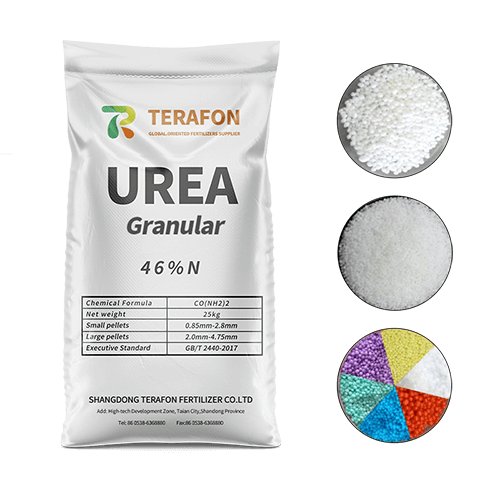
Urea-46%-Granular
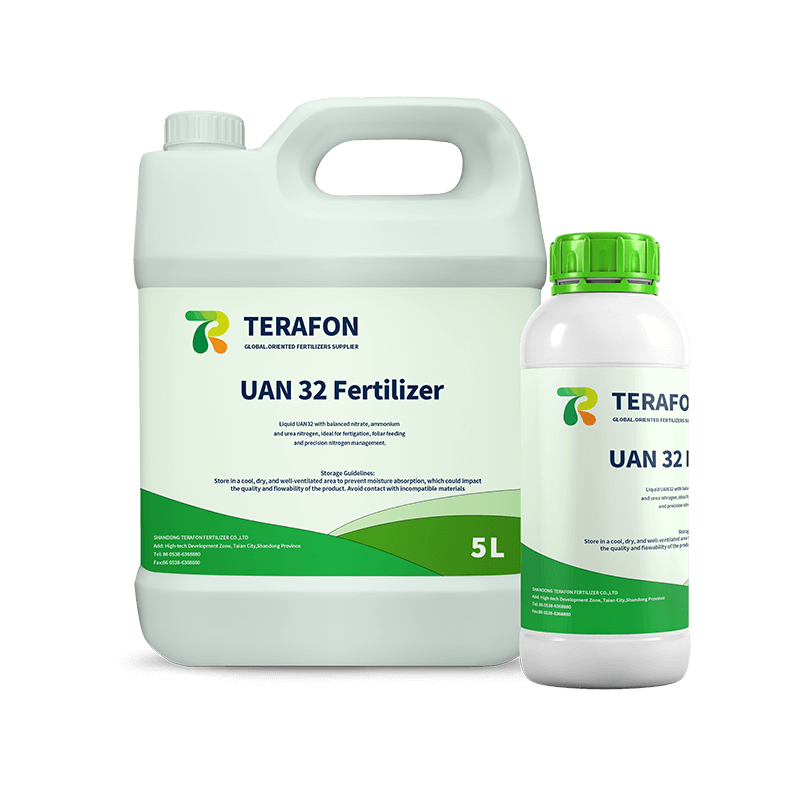
UAN 32 Liquid Nitrogen
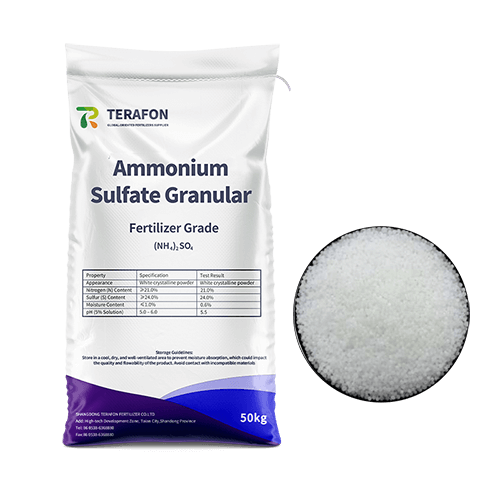
Ammonium Sulfate
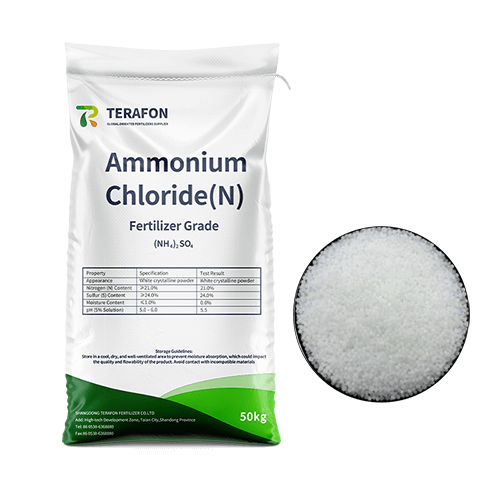
Ammonium Chloride
Suitable Crops
Cereal Crops
Leafy & Fruiting Vegetables
Ornamental & Turf Crops