


- Home » How to Scientifically Choose the Right Nitrogen...
How to Scientifically Choose the Right Nitrogen Source
Nitrogen (N) is one of the most critical nutrients for crop growth, directly affecting chlorophyll formation, vegetative development, and yield potential. However, not all nitrogen fertilizers perform the same under different soil, crop, and climate conditions.
Selecting the right nitrogen source is essential for improving Nitrogen Use Efficiency (NUE), reducing nutrient losses, and achieving sustainable crop production. As emphasized in agronomic best practices and technical guidance shared by Terafon Fertilizer, nitrogen source selection should be based on field-specific conditions rather than nitrogen content alone.
Table of Contents
- 1. The Role of Nitrogen in Crop Nutrition
- 2. Main Nitrogen Forms and Fertilizer Types
- 3. Key Factors in Nitrogen Source Selection
- 4. Application Scenarios for Common Nitrogen Fertilizers
- 5. Strategies to Improve Nitrogen Use Efficiency
- 6. Technical Parameters for Nitrogen Fertilizer Selection
- 7. Conclusion
1. The Role of Nitrogen in Crop Nutrition
Nitrogen is a fundamental component of proteins, enzymes, and chlorophyll. Adequate nitrogen supply promotes leaf growth, enhances photosynthesis, and supports biomass accumulation, especially during vegetative growth stages.
Improper nitrogen selection or application, however, often leads to ammonia volatilization, nitrate leaching, or denitrification losses. These losses reduce fertilizer efficiency and increase environmental risk, making scientific nitrogen management a key focus of modern agriculture.
2. Main Nitrogen Forms and Fertilizer Types
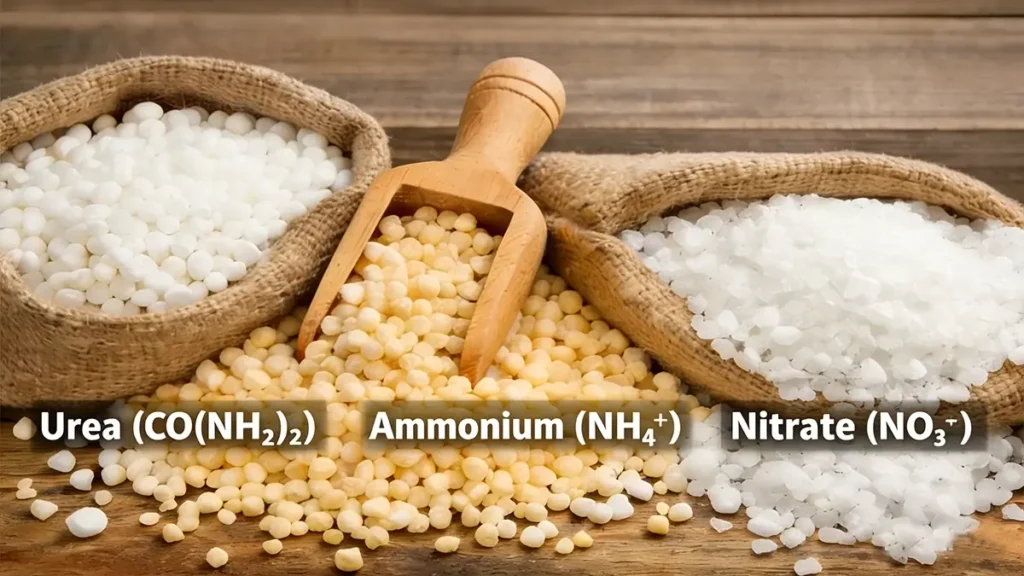
Understanding nitrogen forms is essential when evaluating different types of nitrogen fertilizers for crops.
Nitrate nitrogen is immediately available for plant uptake and provides rapid crop response. Due to its high mobility in soil, it is more prone to leaching, especially in sandy soils or high-rainfall regions.
Ammonium nitrogen is less mobile and can be retained by soil particles, reducing immediate leaching risk. Long-term or excessive use may contribute to soil acidification, particularly in low-buffer soils.
Urea is the most widely used nitrogen fertilizer globally due to its high nitrogen concentration and versatility. In soil, urea must be converted into ammonium and nitrate before plant uptake, making management practices critical to minimizing volatilization losses.
3. Key Factors in Nitrogen Source Selection
When considering how to choose nitrogen fertilizer, the following factors are critical:
3.1 Soil Conditions
- Soil texture influences nitrogen retention and leaching risk
- Soil pH affects nitrogen transformation and long-term fertility
- Organic matter improves nitrogen buffering capacity
3.2 Crop Type and Growth Stage
Different crops and growth stages require different nitrogen release patterns. Leafy crops often benefit from fast-acting nitrogen, while fruit and cash crops require more stable and sustained nitrogen availability.
3.3 Climate and Water Management
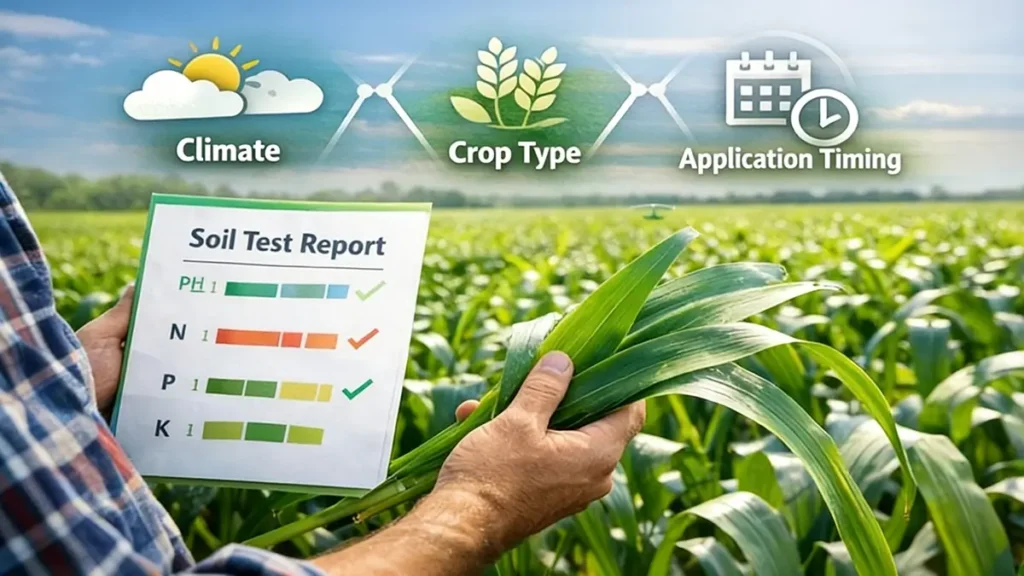
Temperature and moisture strongly influence nitrogen transformation and loss pathways. Warm and humid conditions increase volatilization and denitrification risks, making stabilized or liquid nitrogen fertilizers more suitable in many regions.
4. Application Scenarios for Common Nitrogen Fertilizers
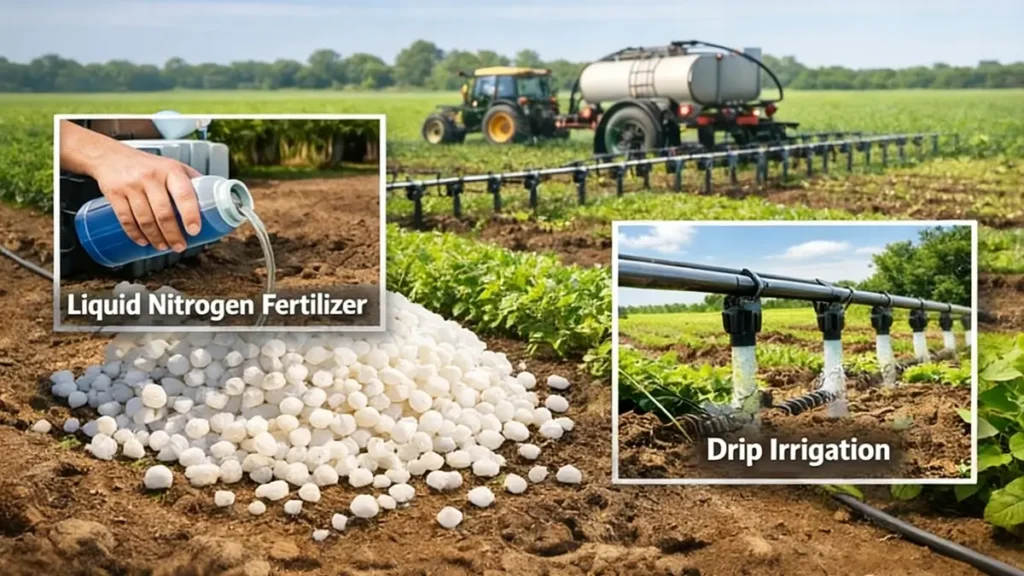
Urea is suitable for most crops and production systems. Incorporation into soil, proper irrigation, or the use of inhibitors significantly improves nitrogen use efficiency.
Ammonium nitrate provides both nitrate and ammonium nitrogen, offering fast and balanced nitrogen supply. Its use may be regulated in some regions due to safety considerations.
Ammonium sulfate supplies both nitrogen and sulfur, making it ideal for sulfur-deficient soils and sulfur-demanding crops. Its acidifying effect makes it more suitable for alkaline soils.
Liquid nitrogen fertilizers, such as UAN solutions or liquid urea, offer uniform nutrient distribution and are well suited for mechanized and precision application systems. According to technical field experience summarized by Terafon Fertilizer, liquid nitrogen fertilizers are increasingly adopted in intensive and large-scale farming due to their application accuracy and labor efficiency.
4.5 Organic Nitrogen Sources
Organic nitrogen fertilizers release nitrogen gradually through microbial activity, improving soil structure and supporting long-term soil fertility. They are commonly used in organic and sustainable farming systems.
5. Strategies to Improve Nitrogen Use Efficiency
To maximize nitrogen efficiency, fertilizer selection should be combined with proper management:
- Split nitrogen applications to match crop uptake patterns
- Use coated fertilizers or urease and nitrification inhibitors
- Align fertilizer timing with irrigation and rainfall events
Adjust application rates based on soil test results and yield targets
These strategies form the basis of modern nitrogen fertilizer application guides.
6. Technical Parameters for Nitrogen Fertilizer Selection
| Parameter | Typical Values |
|---|---|
| Total Nitrogen Content | Urea ≈ 46%, UAN ≈ 28–32%, Ammonium Sulfate ≈ 21% |
| Nitrogen Form | Nitrate / Ammonium / Amide |
| Solubility | High (liquid and nitrate-based fertilizers) |
| Volatilization Risk | Higher for surface-applied urea |
| Application Methods | Broadcasting, banding, fertigation, spraying |
| Recommended Placement Depth | Surface to 10 cm (source-dependent) |
| Typical Nitrogen Use Efficiency | 30%–60% (management-dependent) |
7. Conclusion
Choosing the right nitrogen source is a strategic decision that goes beyond fertilizer price or nitrogen percentage. It requires a clear understanding of soil properties, crop demand, climate conditions, and application methods.
By combining appropriate nitrogen fertilizer types with sound management practices, growers can improve nitrogen use efficiency, enhance crop performance, and reduce environmental impact. This balanced, science-based approach—supported by both agronomic research and practical insights from Terafon Fertilizer—is essential for sustainable agricultural productivity.
Frequently Asked Questions (FAQs)
Nitrogen fertilizers are commonly classified into nitrate-based, ammonium-based, amide-based (urea), liquid nitrogen fertilizers, and organic nitrogen sources. Each type differs in nitrogen form, availability, and soil behavior, affecting crop uptake and nitrogen efficiency.
The best nitrogen fertilizer depends on crop type, growth stage, soil properties, and climate conditions. Soil testing and understanding crop nitrogen demand are essential for selecting a suitable nitrogen source and application method.
Quick-release nitrogen fertilizers provide fast nutrient availability but are more prone to nitrogen loss. Slow-release or stabilized nitrogen fertilizers release nutrients gradually, helping improve nitrogen use efficiency and reduce environmental impact.
Liquid nitrogen fertilizers offer uniform nutrient distribution and precise application, especially in mechanized and fertigation systems. Granular fertilizers are easier to store and transport, making both forms suitable depending on farming practices.
Organic nitrogen fertilizers improve soil structure and release nitrogen slowly through microbial activity. While they support long-term soil health, they are often used in combination with inorganic nitrogen fertilizers to meet immediate crop nutrient needs.
Nitrogen losses can be minimized through split applications, proper timing, soil incorporation, and the use of urease or nitrification inhibitors. Matching nitrogen source selection with field conditions is key to improving nitrogen use efficiency.
Recommended Fertilizers
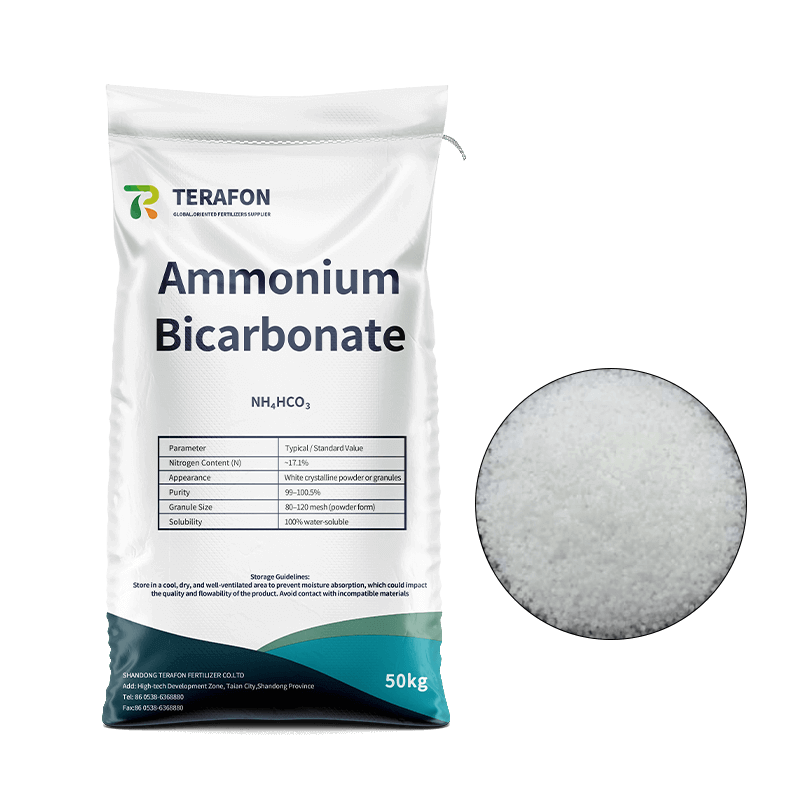
Ammonium Bicarbonate
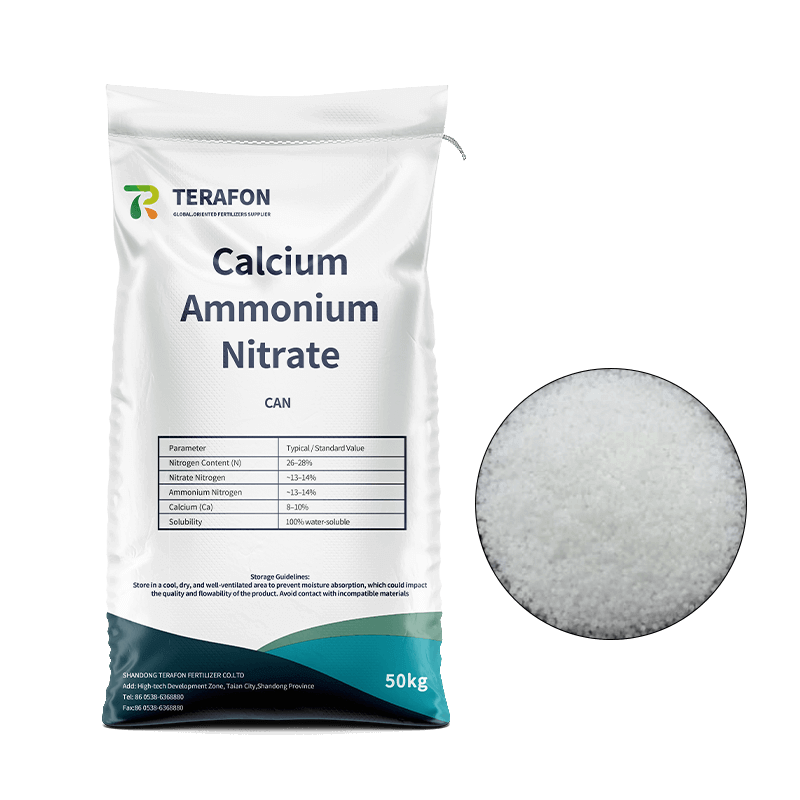
Calcium-Ammonium-Nitrate
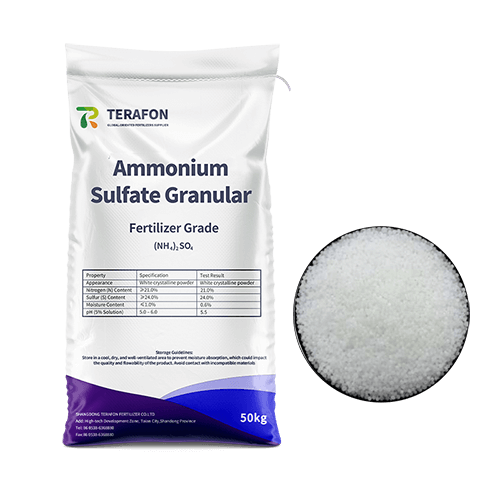
Ammonium Sulfate
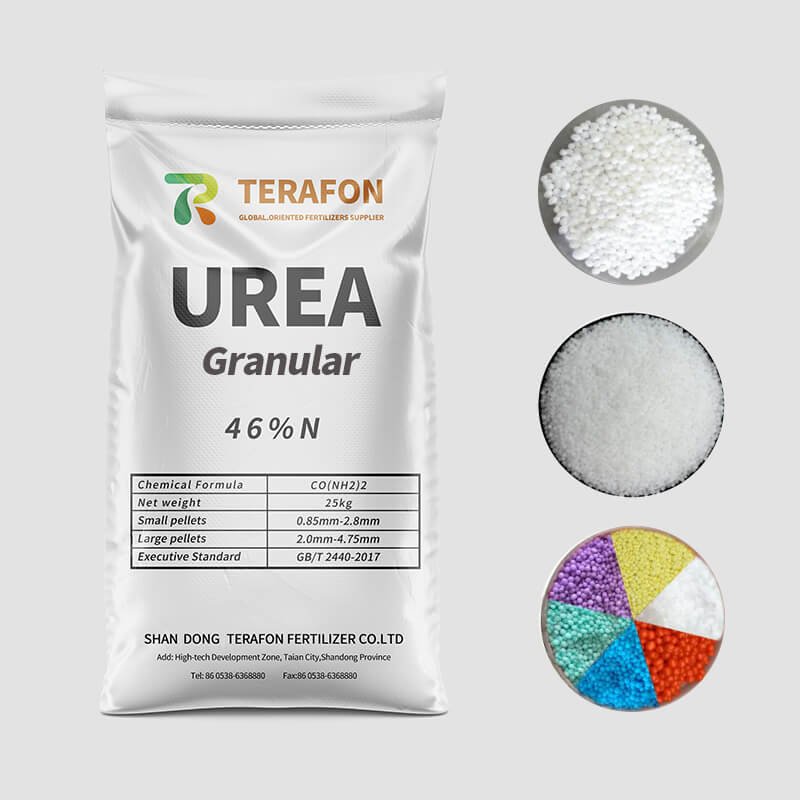
Urea-46-Granular
Suitable Crops

Industrial & Bio-Processing Crop
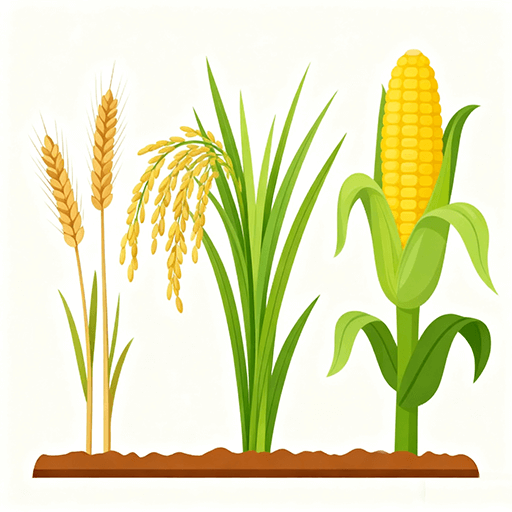
Cereal Crops
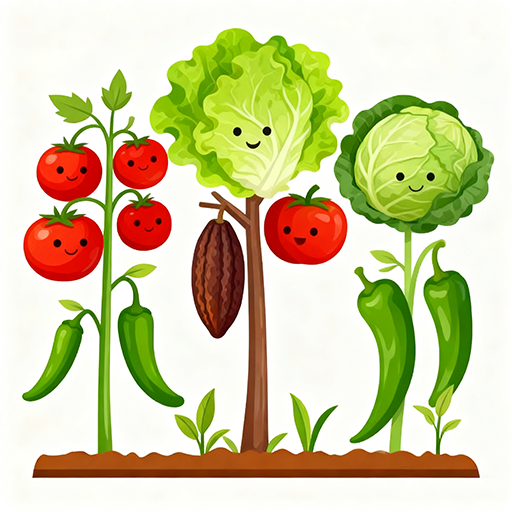
Leafy & Fruiting Vegetables
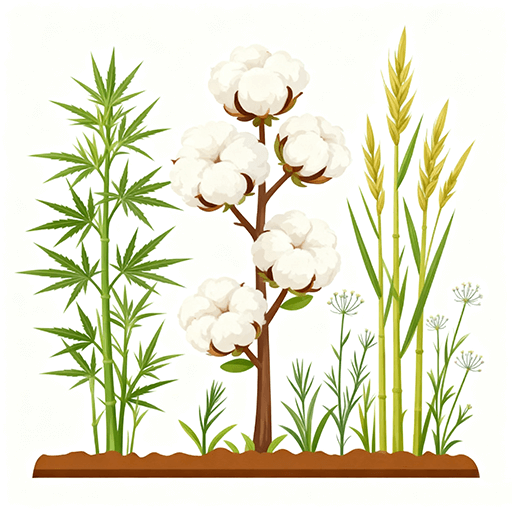
Fiber Crop
Choose the Right Nitrogen Source with Confidence
Select the best nitrogen type for your crops based on soil, growth stage, and nutrient needs. Nitrate, ammonium, urea, and liquid fertilizers each offer unique benefits. Terafon Fertilizer delivers reliable, high-quality nitrogen products for optimal crop growth.
