


- Home » How to Choose Polymer Coated Urea...
How to Choose Polymer Coated Urea: Specs, Grades & Use

As nitrogen efficiency and environmental sustainability become central priorities in modern agriculture, polymer coated urea (PCU urea) has become a core component of controlled release nitrogen fertilizer strategies worldwide. Leading fertilizer solution providers such as Terafon Fertilizer and other industry manufacturers continue to advance PCU technologies to meet the growing demand for efficient, environmentally responsible nitrogen management.
Selecting the right polymer coated urea requires a clear understanding of technical specifications, release grades, and field performance under different crops, soils, and climate conditions.
This guide provides a comprehensive, agronomy-focused overview to help growers, distributors, and agronomists make informed decisions when choosing polymer coated urea for corn, rice, wheat, and other crops.
Table of Contents
- 1. What Is Polymer Coated Urea?
- 2. Key Specifications to Evaluate When Choosing PCU Urea
- 3. Understanding PCU Grades and Controlled Release Durations
- 4. Soil and Environmental Factors Affecting PCU Performance
- 5. Best Practices for Applying Polymer Coated Urea
- 6. Matching PCU Urea to Crop Growth Stages
- 7. Typical Technical Parameters of Polymer Coated Urea
- 8. Environmental and Efficiency Benefits of PCU Urea
- 9. Final Thoughts: Choosing the Right Polymer Coated Urea
1. What Is Polymer Coated Urea?
Polymer coated urea (PCU urea) is a type of slow release urea fertilizer produced by encapsulating conventional urea granules within a semi-permeable polymer membrane. This polymer coating functions as a physical diffusion barrier, regulating water penetration and nitrogen release over time.
Compared with conventional urea fertilizers, polymer coated urea delivers a more stable and predictable nitrogen supply, making it especially suitable for crops with extended nitrogen demand and for regions prone to nitrogen losses through volatilization, leaching, or denitrification.
2. Key Specifications to Evaluate When Choosing PCU Urea
2.1 Nitrogen Content and Purity
2.2 Granule Size and Uniformity
2.3 Coating Material and Integrity
2.4 Controlled Release Mechanism
Unlike chemically inhibited fertilizers, PCU urea relies on diffusion-based controlled release, primarily governed by soil temperature and moisture rather than microbial activity, offering more predictable nutrient delivery.
3. Understanding PCU Grades and Controlled Release Durations
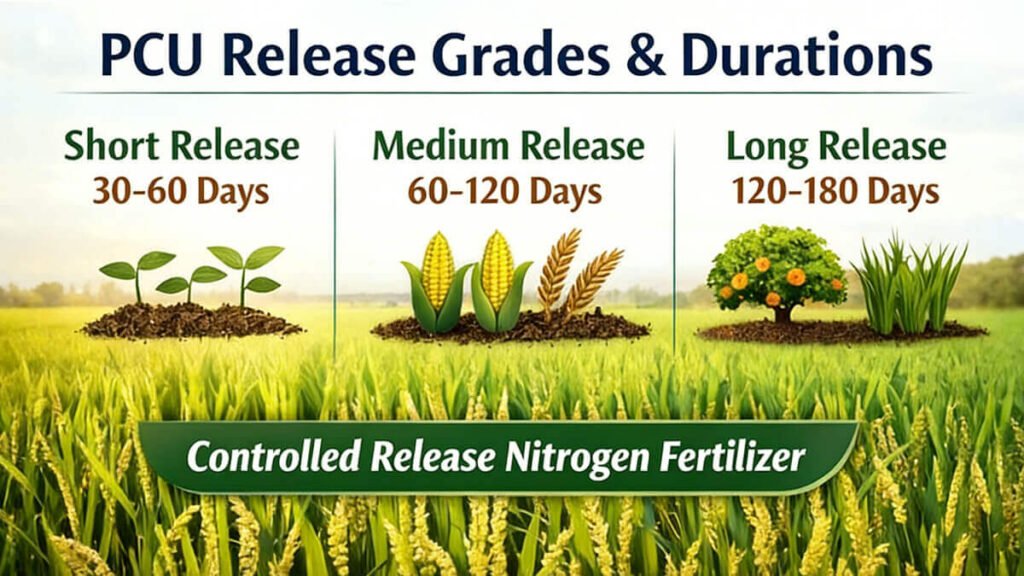
| Release Grade | Typical Duration (25°C) | Common Applications |
|---|---|---|
| Short Release | 30–60 days | Short-season crops, early growth stages |
| Medium Release | 60–120 days | Corn, rice, wheat, most field crops |
| Long Release | 120–180 days | Turf, fruit trees, perennial crops |
For example, polymer coated urea for corn is commonly selected in the 90–120 day range to support nitrogen demand from vegetative growth through grain filling. PCU urea for rice often uses 60–120 day formulations to minimize ammonia volatilization and nitrogen loss in flooded conditions.
4. Soil and Environmental Factors Affecting PCU Performance
Actual nitrogen release from polymer coated urea is influenced by several interacting environmental factors:
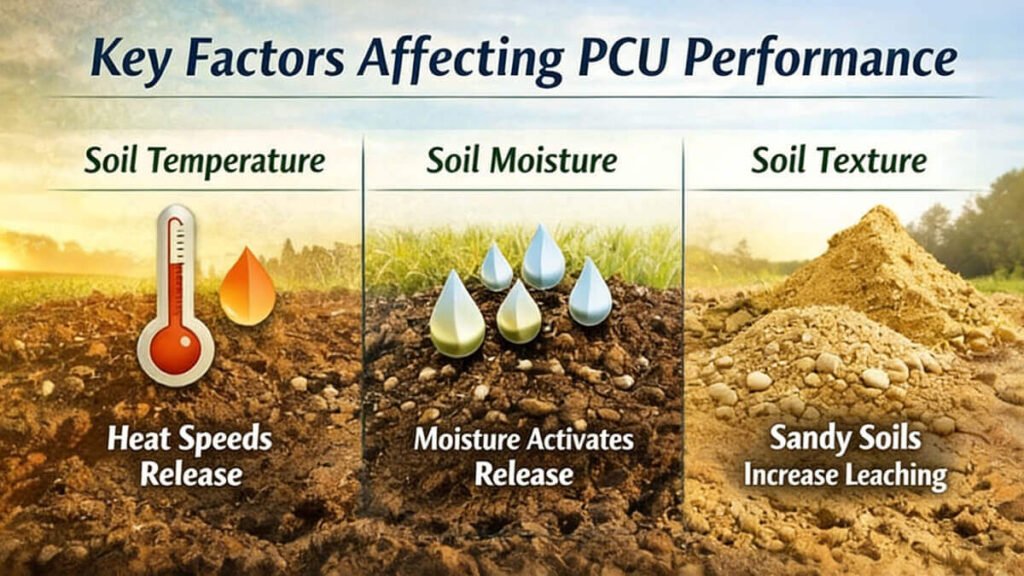
- Soil temperature: Higher temperatures accelerate nitrogen diffusion through the polymer membrane
- Soil moisture: Adequate moisture is essential for consistent nutrient release
Soil texture: Sandy soils often benefit from longer release grades to reduce leaching losses
Understanding these factors is critical when selecting controlled release nitrogen fertilizer products for specific regions and cropping systems.
5. Best Practices for Applying Polymer Coated Urea
To maximize the agronomic benefits of PCU urea, industry best practices include:
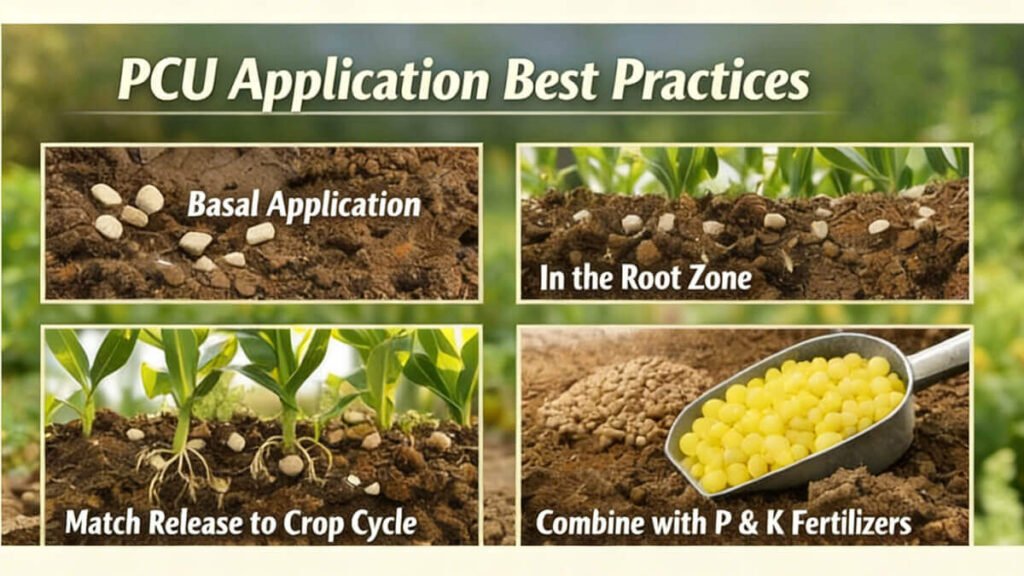
- Applying PCU primarily as a basal fertilizer rather than surface broadcasting
- Placing fertilizer within the active root zone to improve nitrogen uptake
- Matching release duration to crop growth cycle and local climate
Combining PCU with phosphorus and potassium fertilizers based on soil test results
Mid-season nitrogen efficiency programs developed by professional fertilizer suppliers—such as Terafon Fertilizer’s controlled release nutrition solutions—often integrate PCU urea to reduce application frequency while maintaining yield stability.
In many cases, a single PCU application can replace multiple split applications of conventional urea, reducing labor costs and operational complexity.
6. Matching PCU Urea to Crop Growth Stages
Different crops exhibit distinct nitrogen demand patterns:
- Corn: Requires steady nitrogen availability from early vegetative growth through reproductive stages
- Rice: Benefits from slow release urea fertilizer that reduces volatilization under flooded conditions
- Vegetables and horticultural crops: Often require customized release profiles to balance early vigor and sustained nutrition
Selecting the correct PCU grade ensures nitrogen availability during critical growth stages while minimizing losses.
7. Typical Technical Parameters of Polymer Coated Urea
| Parameter | Typical Value |
|---|---|
| Total Nitrogen (N) | 46% |
| Granule Size | 2.0 – 4.0 mm |
| Coating Ratio | 2% – 8% |
| Initial Nitrogen Release (25°C) | 5% – 15% |
| Controlled Release Period | 30 – 180 days |
| Release Mechanism | Water penetration and diffusion |
| Application Method | Basal application, banding |
| Storage Conditions | Cool, dry, ventilated |
These values may vary slightly by formulation and manufacturer but provide a reliable reference for comparing polymer coated urea products.
8. Environmental and Efficiency Benefits of PCU Urea
Polymer coated urea plays an important role in sustainable nutrient management by:
- Increasing nitrogen use efficiency (NUE)
- Reducing nitrate leaching and ammonia volatilization
- Lowering greenhouse gas emissions related to nitrogen loss
Supporting precision agriculture and environmentally responsible fertilization
As a result, controlled release nitrogen fertilizers are increasingly adopted in large-scale agriculture and high-value crop systems.
9. Final Thoughts: Choosing the Right Polymer Coated Urea
Polymer coated urea plays an important role in sustainable nutrient management by:
- Increasing nitrogen use efficiency (NUE)
- Reducing nitrate leaching and ammonia volatilization
- Lowering greenhouse gas emissions related to nitrogen loss
Supporting precision agriculture and environmentally responsible fertilization
As a result, controlled release nitrogen fertilizers are increasingly adopted in large-scale agriculture and high-value crop systems.
Recommended Fertilizers
Industrial-Urea
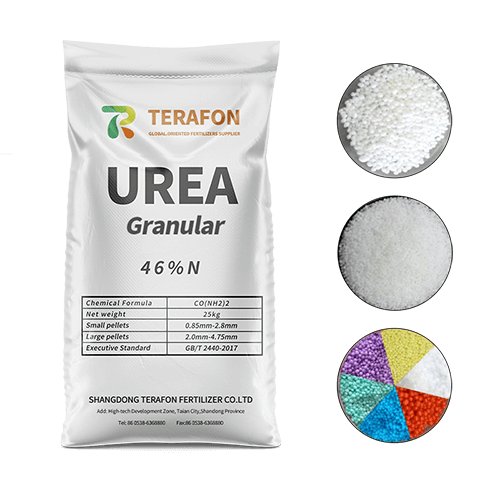
Agricultural urea
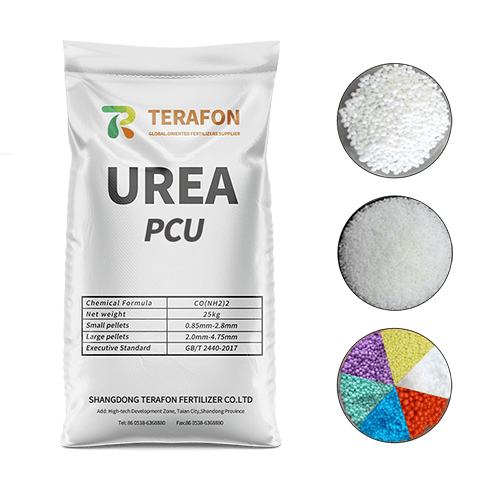
Polymer-Coated Urea (PCU)

Automotive-Grade-UreaI-(SCR)
Suitable Crops

Fruit Trees & Orchards

Berry & Vine Crops

Leafy & Fruiting Vegetables

Root & Bulb Vegetables
Choose High-Quality PCU Urea with Confidence
Select polymer coated urea based on release duration, coating quality, nitrogen content, and crop application needs to ensure controlled nutrient release, improved nitrogen efficiency, and stable field performance. Contact Terafon Fertilizer for professional guidance and reliable PCU urea solutions.
