


- Home » How to Choose High-Quality Food Grade Urea...
How to Choose High-Quality Food Grade Urea: Purity & CAS
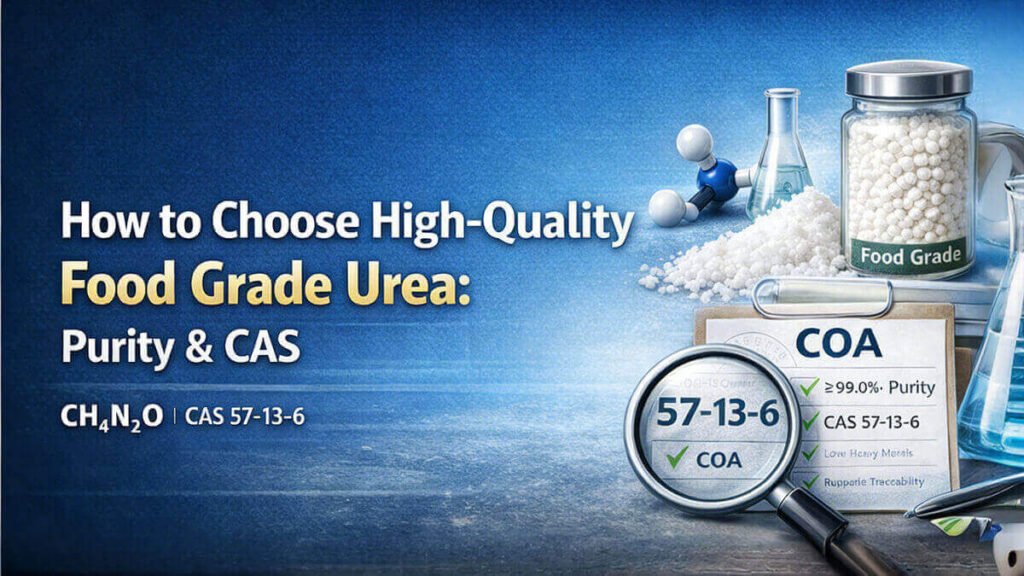
High-quality food grade urea plays a critical role in food processing and fermentation applications. This article explains how to evaluate food grade urea based on purity levels, CAS number 57-13-6, impurity control, regulatory compliance, and supplier reliability, helping buyers ensure safe use, consistent performance, and long-term quality stability.
As a professional supplier of regulated nitrogen-based materials, Terafon Fertilizer supports food and fermentation industries with consistent, high-quality urea products and technical guidance.
Table of Contents
- 1. Why Food Grade Urea Quality Matters
- 2. What Defines Food Grade Urea Compared to Other Grades
- 3. Key Technical Specifications for High-Quality Food Grade Urea
- 4. CAS Number 57-13-6 and Regulatory Identification
- 5. How Urea Purity Impacts Food Processing and Fermentation
- 6. Choosing Reliable Food Grade Urea Brands and Suppliers
- 7. Supplier Evaluation and Documentation Checklist
- 8. Frequently Asked Questions (FAQs)
- 9. Conclusion and Best Practices
1. Why Food Grade Urea Quality Matters
Urea is an organic compound with the chemical formula CH₄N₂O and the globally recognized CAS number 57-13-6. It is typically supplied as white crystalline solids or pale yellow flakes and is valued for its high nitrogen content of approximately 46%.
In food processing and fermentation applications, urea is not treated as a commodity chemical. Instead, food grade urea quality directly affects process stability, microbial performance, and regulatory compliance. Even small variations in purity or trace impurities may influence fermentation efficiency or downstream product quality.
2. What Defines Food Grade Urea Compared to Other Grades
Urea products are manufactured for different applications, and grade selection is critical:
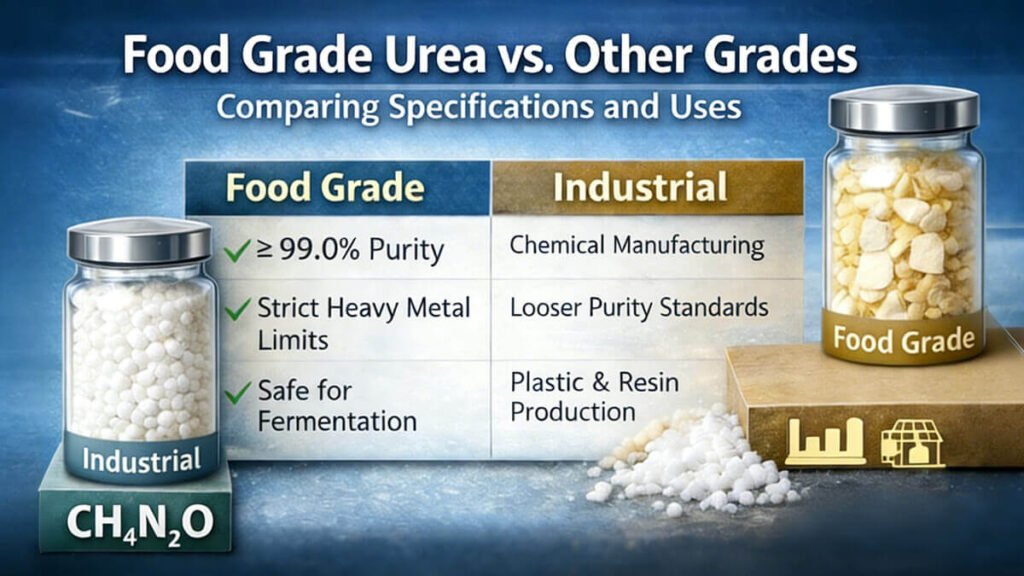
Food Grade Urea
Manufactured under strict quality controls for regulated food processing and fermentation systems, with tightly controlled impurity limits.Industrial (Technical) Grade Urea
Intended for chemical manufacturing, resins, plastics, and SCR/DEF systems, where food safety compliance is not required.Laboratory / Reagent Grade Urea
Designed for analytical or research use, not for food production.
3. Key Technical Specifications for High-Quality Food Grade Urea
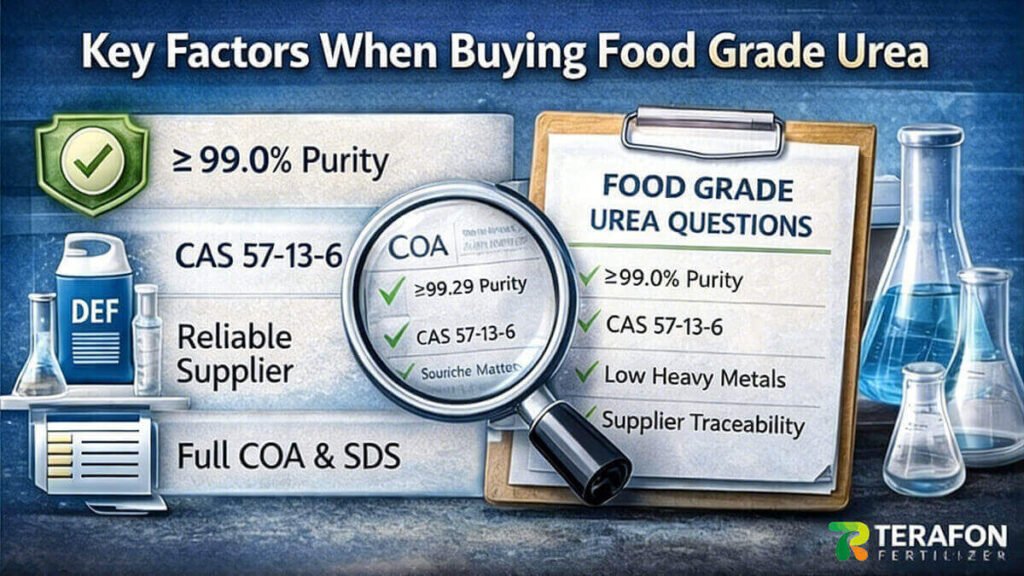
When sourcing high-quality food grade urea, professional buyers should focus on clearly defined technical parameters rather than general product descriptions.
| Specification | Typical Food Grade Requirement |
|---|---|
| Urea Assay (Purity) | ≥ 99.0% |
| Appearance | White crystalline or powder |
| Moisture (Loss on Drying) | ≤ 1.0% |
| Ethanol Insoluble Matter | ≤ 0.04% |
| Chloride (Cl⁻) | ≤ 0.007% |
| Heavy Metals (as Pb) | ≤ 0.001% |
| Arsenic (As) | ≤ 0.0003% |
These specifications are essential for ensuring process consistency, fermentation stability, and food safety compliance.
4. CAS Number 57-13-6 and Regulatory Identification
The CAS number 57-13-6 uniquely identifies urea across global regulatory systems, supply chains, and documentation platforms.
Using CAS-based identification helps buyers:- Avoid product mislabeling or substitution
- Verify consistency across COA, SDS, and customs documents
- Support audits in regulated food and fermentation industries
5. How Urea Purity Impacts Food Processing and Fermentation
Purity directly influences how urea performs in food and fermentation systems. Higher purity means lower levels of:
- Biuret and related by-products
- Insoluble salts
- Trace heavy metals
- Stable microbial growth
- Predictable nitrogen availability
Reduced risk of contamination or batch variation
6. Choosing Reliable Food Grade Urea Brands and Suppliers
Beyond purity numbers, selecting a reliable food grade urea brand is equally important. Trusted suppliers typically demonstrate:
- Consistent batch quality and traceability
- Clear separation between food-grade and industrial-grade production
- Transparent documentation and testing procedures
- Experience serving food processing and fermentation industries
7. Supplier Evaluation and Documentation Checklist
Before finalizing a purchase, buyers should request:
✔ Product specification sheet
✔ Batch-specific COA (Certificate of Analysis)
✔ SDS / MSDS documentation
✔ Packaging and storage recommendations
✔ Batch traceability and labeling system
8. Frequently Asked Questions (FAQs)
Food grade urea typically requires ≥99.0% purity, with strict limits on heavy metals, biuret, and insoluble matter to ensure safe use in food-related processes.
Yes, when produced under proper quality controls and used in accordance with regulations, food grade urea is commonly used as a nitrogen source in controlled fermentation systems.
No. Industrial urea does not meet food safety standards and may contain impurities unsuitable for food processing or fermentation.
The CAS number 57-13-6 ensures accurate product identification across suppliers, regulatory documents, and international trade systems.
A reliable supplier should always provide a COA, SDS, technical specification sheet, and batch traceability information.
9. Conclusion and Best Practices
Selecting high-quality food grade urea requires a comprehensive evaluation of purity, CAS identification, supplier credibility, and documentation transparency.
By choosing the correct grade and working with experienced suppliers such as Terafon Fertilizer, food processors and fermentation operators can ensure regulatory compliance, consistent performance, and long-term process reliability.
Recommended Fertilizers
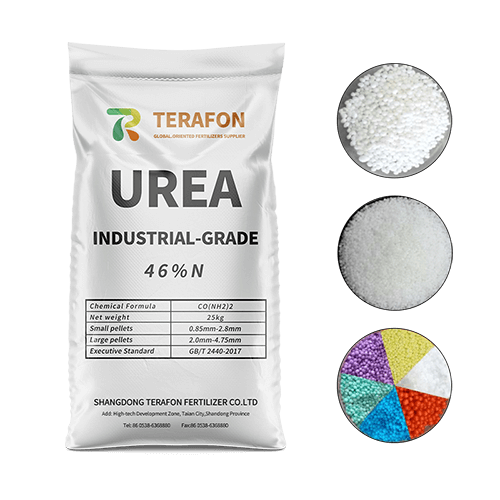
Industrial-Urea
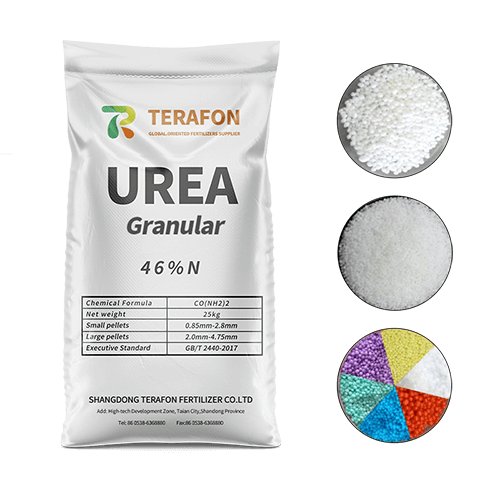
Agricultural urea
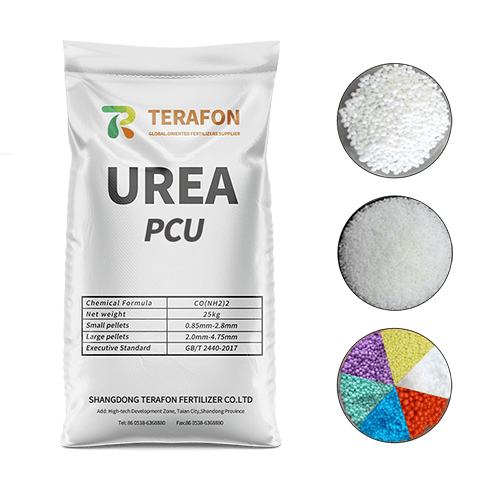
Polymer-Coated Urea (PCU)

Automotive-Grade-UreaI-(SCR)
Suitable Crops

Fruit Trees & Orchards

Berry & Vine Crops

Leafy & Fruiting Vegetables
Root & Bulb Vegetables
Choose High-Quality Food Grade Urea with Confidence
Select food grade urea based on purity level, CAS number, compliance standards, and application requirements to ensure safe use, stable performance, and consistent quality. Contact Terafon Fertilizer for professional guidance and reliable food grade urea solutions.
