


- Home » How to Choose the Best Fertilizer for Rice Crops
How to Choose the Best Fertilizer for Rice Crops
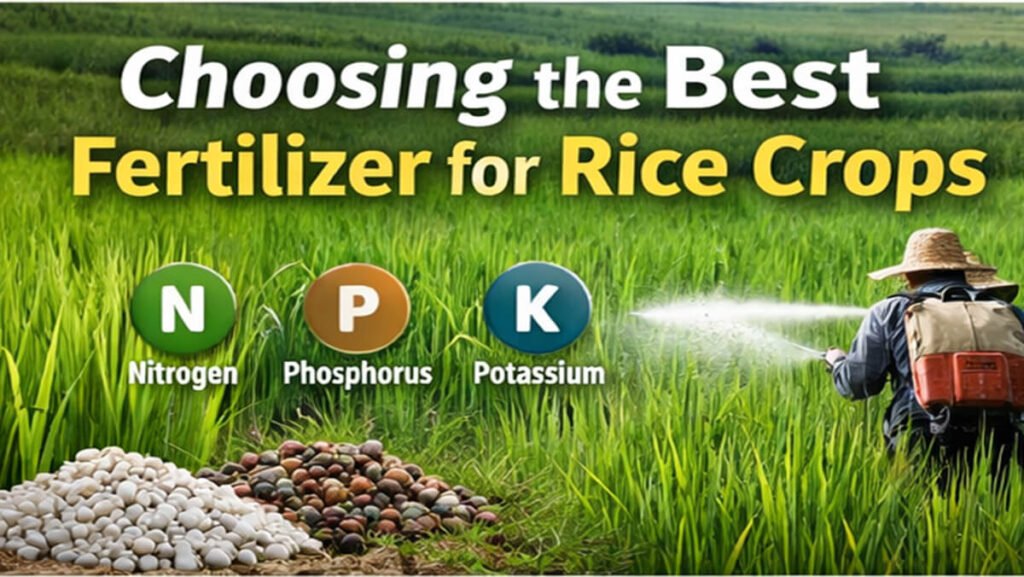
Table of Contents
- 1. Understanding Rice Growth Stages and Nutrient Demand
- 2. Key Factors Influencing the Choice of Rice Fertilizer
- 3. Common Types of Rice Fertilizers and Their Practical Applications
- 4. Selecting Rice Fertilizers Based on Soil Conditions
- 5. Designing a Scientific Rice Fertilization Program
- 6. Fertilizer Application Timing and Field Techniques
- 7. The Importance of Secondary and Micronutrients in Rice Production
- Conclusion: Building a High-Efficiency Rice Fertilization Strategy
Introduction: Why Choosing the Right Rice Fertilizer Is Critical
Rice is one of the most important staple crops worldwide, and fertilizer management plays a decisive role in determining yield potential, grain quality, production costs, and environmental impact. Choosing the most suitable fertilizer for rice crops is no longer about applying larger quantities of nutrients, but about delivering the right nutrients, in the right proportions, at the right growth stages.
As fertilizer prices rise and sustainability requirements become stricter, scientifically optimized rice fertilization has become essential. A well-designed fertilization strategy improves nutrient use efficiency, supports strong tillering, enhances grain filling, and minimizes nutrient losses through volatilization and runoff.
1. Understanding Rice Growth Stages and Nutrient Demand
Selecting the optimal fertilizer for rice cultivation begins with a clear understanding of how nutrient requirements change throughout the growth cycle.
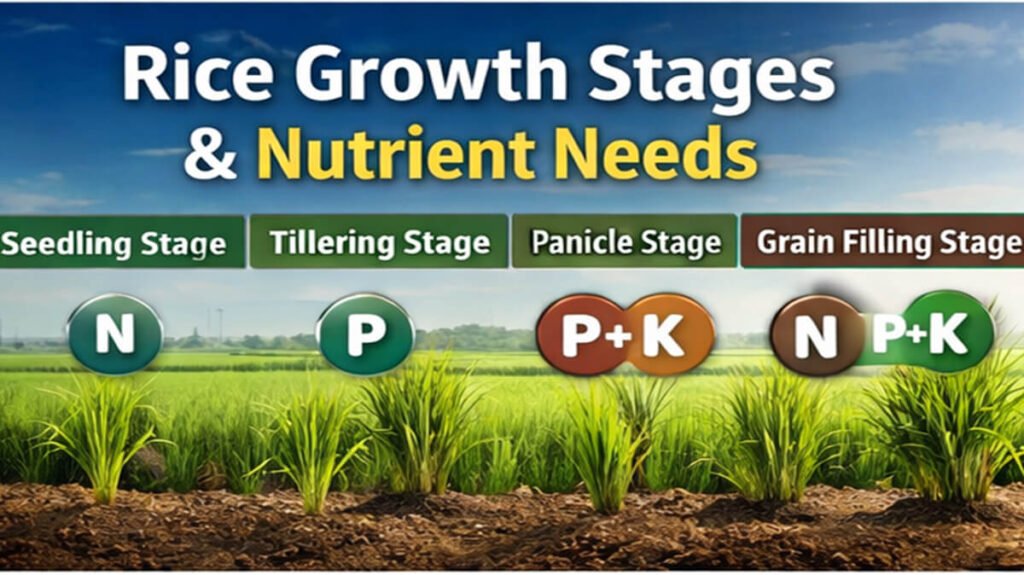
During the seedling and tillering stages, rice plants require adequate nitrogen to support vegetative growth and the formation of productive tillers. As the crop transitions into the panicle initiation, heading, and grain-filling stages, demand for phosphorus and potassium increases significantly, directly influencing panicle size, grain set, and final yield.
In addition to primary nutrients, rice continuously absorbs secondary and micronutrients such as silicon, zinc, magnesium, and sulfur. These nutrients play a crucial role in strengthening plant structure, enhancing stress tolerance, and improving overall crop resilience—key factors in stable, high-yield rice production.
2. Key Factors Influencing the Choice of Rice Fertilizer
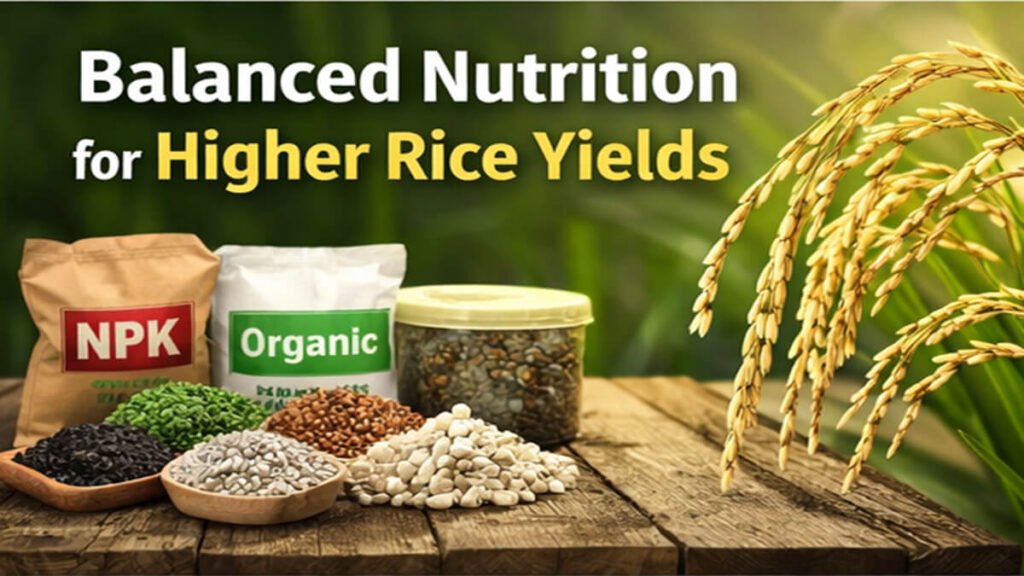
There is no universal fertilizer formula suitable for all rice fields. Choosing the most appropriate fertilizer depends on a combination of agronomic and environmental factors.
Soil fertility status is the foundation of fertilizer decision-making. Fields with high residual fertility require careful nitrogen management to avoid excessive vegetative growth, while low-fertility soils demand more comprehensive nutrient replenishment. Rice variety also matters, as hybrid rice and conventional varieties differ in nutrient uptake efficiency and yield response.
Water management practices, local climate conditions, and the level of mechanization further influence fertilizer selection. In large-scale or mechanized rice systems, fertilizers with enhanced nutrient stability are often preferred to ensure consistent crop nutrition with fewer applications.
3. Common Types of Rice Fertilizers and Their Practical Applications
3.1 Inorganic Fertilizers in Rice Farming
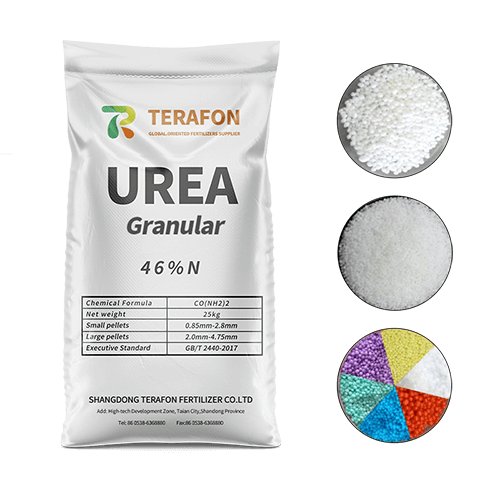
Conventional fertilizers such as urea, monoammonium phosphate, and potassium fertilizers remain essential nutrient sources in rice production. Their high nutrient concentration and rapid availability make them effective for tillering and panicle fertilization.
However, without proper management, inorganic fertilizers—especially nitrogen—can suffer significant losses. Therefore, they deliver the best results when integrated into a structured rice fertilization program rather than used independently.
3.2 Compound and Formula Fertilizers for Balanced Nutrition
Rice-specific compound fertilizers and soil-test-based formula fertilizers are designed to align closely with rice nutrient demand patterns. By supplying nitrogen, phosphorus, and potassium in balanced proportions, these products help stabilize nutrient availability and reduce the risk of nutrient imbalance.
Such fertilizers are particularly suitable for basal application and early growth stages, promoting uniform seedling establishment and healthy tiller development.
3.3 Controlled-Release and Slow-Release Fertilizers
Controlled-release and slow-release fertilizers are increasingly adopted in modern rice cultivation due to their ability to synchronize nutrient release with crop uptake. This approach improves fertilizer use efficiency, reduces labor requirements, and minimizes nutrient losses caused by leaching or volatilization.
Many advanced rice nutrition programs—including those offered by Terafon Fertilizer—incorporate controlled-release technologies to support yield stability while meeting environmental sustainability goals.
3.4 Organic Fertilizers and Integrated Nutrient Management
Organic fertilizers play a vital role in long-term rice field productivity. Although nutrient release is slower compared to chemical fertilizers, organic inputs significantly improve soil structure, microbial activity, and nutrient retention.
Integrating organic fertilizers with mineral fertilizers allows rice growers to meet immediate nutrient demands while enhancing soil health, making this approach a cornerstone of sustainable rice fertilization strategies.
4. Selecting Rice Fertilizers Based on Soil Conditions
Soil testing is a critical step in choosing the most suitable fertilizer for rice fields. By analyzing soil nutrient levels and pH, growers can design targeted fertilization strategies that avoid over-application and nutrient waste.
Soil pH strongly affects nutrient availability. In acidic rice soils, calcium- and magnesium-containing fertilizers can improve nutrient uptake efficiency, while in alkaline soils, selecting appropriate phosphorus sources and application methods becomes essential for maximizing fertilizer effectiveness.
5. Designing a Scientific Rice Fertilization Program
An effective rice fertilization program typically includes basal fertilization, tillering fertilization, and panicle fertilization applied at carefully selected growth stages.
Basal fertilization establishes a solid nutrient foundation using compound fertilizers or organic amendments. Tillering fertilization should be adjusted according to crop vigor to encourage productive tillers while avoiding excessive vegetative growth. Panicle fertilization focuses on nitrogen and potassium to support grain development and improve grain filling.
Rather than relying on fixed fertilizer rates, successful rice producers adjust nutrient inputs dynamically based on crop performance and field conditions.
6. Fertilizer Application Timing and Field Techniques
Even the most suitable fertilizer will fail to deliver optimal results if applied incorrectly. Applying fertilizers under shallow water or moist soil conditions helps reduce nitrogen volatilization and improves nutrient uptake.
Coordinating fertilizer application with irrigation—often described as water-assisted fertilization—further enhances nutrient efficiency and promotes uniform crop growth. In later growth stages, careful control of nitrogen application is essential to prevent lodging and delayed maturity.
7. The Importance of Secondary and Micronutrients in Rice Production
High-yield rice systems require more than primary nutrients alone. Silicon strengthens rice stems and improves lodging resistance, while micronutrients such as zinc and boron are essential for normal tiller development and grain formation.
Foliar application of micronutrients is commonly used as a supplemental strategy to quickly correct deficiencies and maintain balanced rice nutrition under intensive cultivation conditions.

Conclusion: Building a High-Efficiency Rice Fertilization Strategy
Choosing the most suitable fertilizer for rice crops is a systematic and data-driven process that integrates crop nutrient demand, soil characteristics, fertilizer properties, and application techniques. By adopting soil-test-based fertilization, combining organic and inorganic nutrient sources, and optimizing nutrient timing and balance, rice growers can achieve higher yields, better grain quality, and more sustainable production systems.
A scientifically designed rice fertilization strategy—supported by reliable nutrient solutions such as those developed by Terafon Fertilizer—not only improves farm profitability but also contributes to long-term soil health and environmentally responsible rice farming.
Get a Catalog & Best Price
Recommended Fertilizers
Urea Fertilizer
View Solutions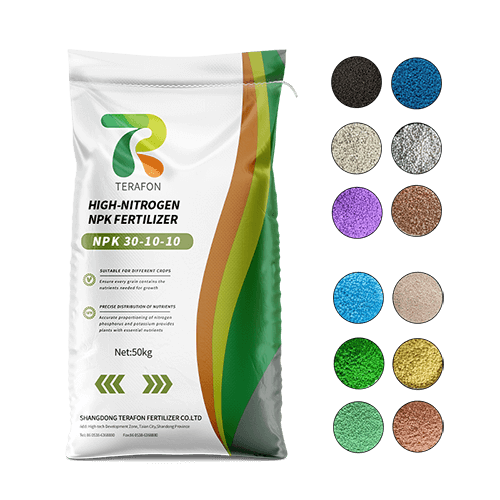
NPK Fertilizer
View Solutions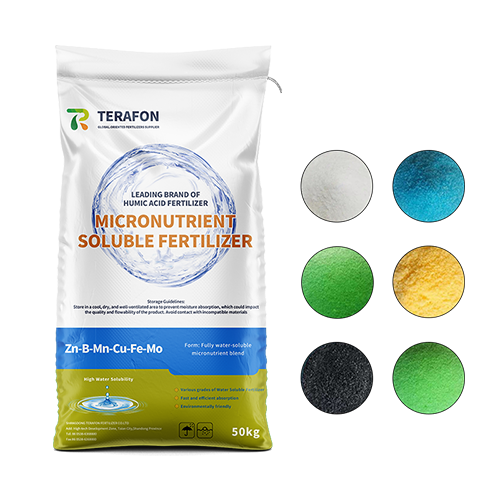
Water Soluble Fertilizer
View Solutions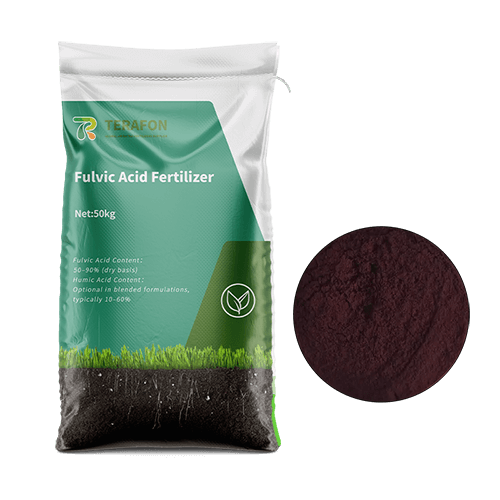
Fulvic-Acid-Fertilizer
View SolutionsSuitable Crops
Cereal Crops

Legume Crops

Root & Tuber Crops

Fruit Crops
Liquid vs Granular Humic Acid Fertilizers for Soil Health
Compare liquid and granular humic acid fertilizers for fast nutrient uptake and long-term soil improvement. Contact Terafon Fertilizer for expert guidance and tailored solutions to enhance crop performance.
