


- Home » Humic Acid vs Fulvic Acid: Benefits...
Fertilizer Similar to Urea but Cheaper: A Smarter Choice
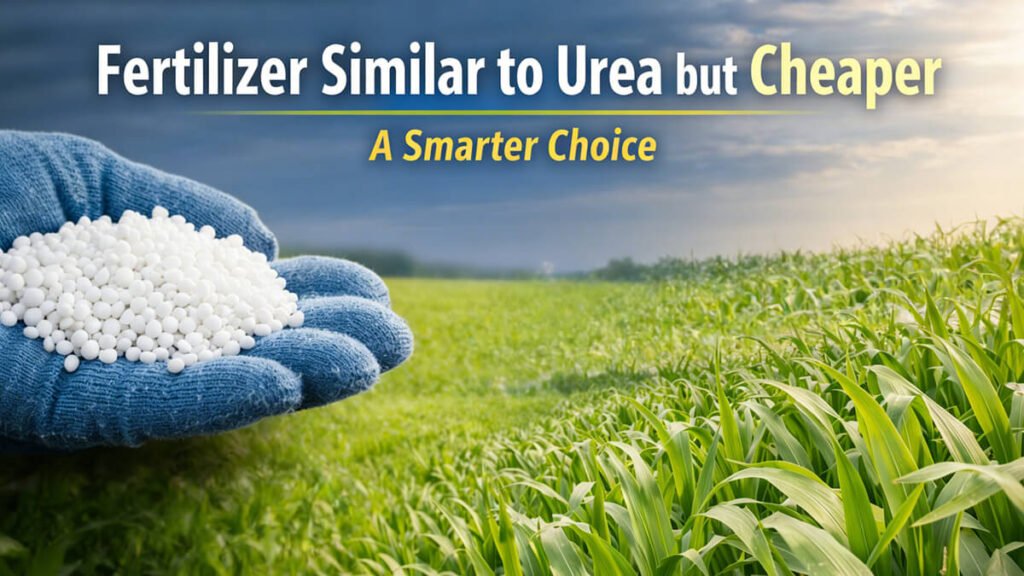
In the global nitrogen fertilizer market, urea (46-0-0) has long been considered one of the most widely used and cost-effective nitrogen sources. Thanks to its high nitrogen content, uniform granules, and easy application, urea is often regarded as the standard nitrogen fertilizer, especially during crop topdressing stages.
However, in recent years, growers and distributors have increasingly turned their attention to a fertilizer that looks exactly like urea, works the same way, but is priced about 10–15% lower — 42-0-5 granular fertilizer.
At Terafon Fertilizer, this product has become a practical solution for customers seeking lower input costs without changing their fertilization practices.
Table of Contents
- 1️⃣ What Is 42-0-5? A Granular Fertilizer Similar to Urea
- 2️⃣ 42-0-5 vs. Urea: What Is the Real Difference?
- 3️⃣ Why Is 42-0-5 More Cost-Effective Than Urea?
- 4️⃣ Suitable Crops and Application Stages for 42-0-5
- 5️⃣ Why Distributors Prefer to Promote 42-0-5
- 6️⃣ Conclusion: 42-0-5 Is a Smarter, Cheaper Alternative to Urea
1️⃣ What Is 42-0-5? A Granular Fertilizer Similar to Urea
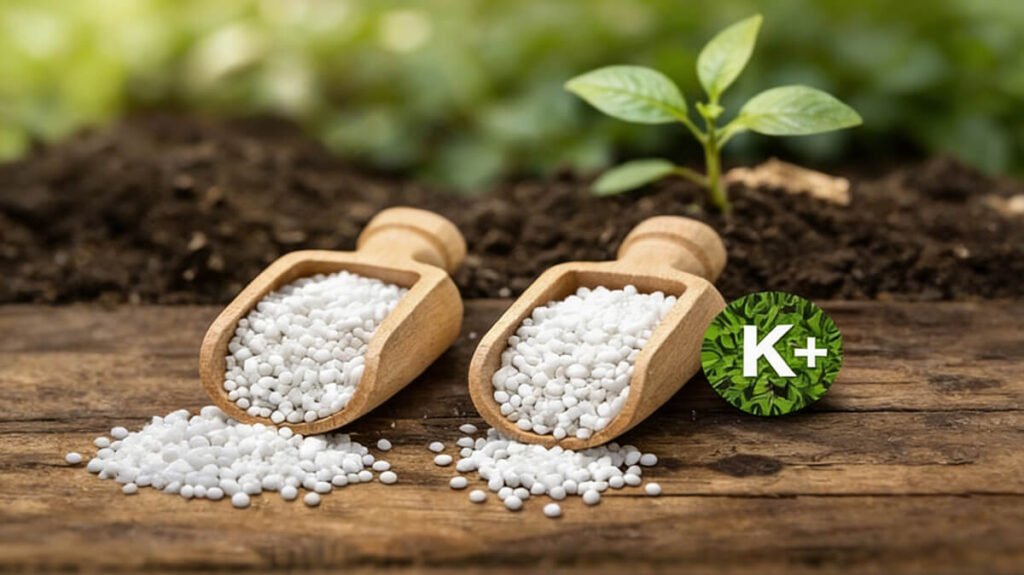
42-0-5 is a high-nitrogen compound fertilizer designed to perform like urea while offering a more balanced nutrient profile and better cost control.
Key characteristics include:
- 42% total nitrogen (N)
- 5% potassium oxide (K₂O)
- No phosphorus
- White or off-white granules
- Granule size, shape, and flowability very similar to urea
Suitable for broadcasting, mechanical spreading, and topdressing
From a physical perspective, 42-0-5 looks almost identical to urea granules, making it a true “fertilizer similar to urea”. Farmers can apply it using the same equipment and methods, with no need for operational changes.
This is why many buyers searching for “urea-like fertilizer,” “granular urea alternative,” or “fertilizer cheaper than urea” are increasingly considering 42-0-5.
2️⃣ 42-0-5 vs. Urea: What Is the Real Difference?
Although 42-0-5 and urea share the same granular appearance and application method, their nutrient composition and overall cost performance differ significantly.
| Item | Urea 46-0-0 | 42-0-5 |
|---|---|---|
| Nitrogen content | 46% | 42% |
| Potassium content | None | 5% |
| Fertilizer type | Single-nutrient | High-nitrogen compound |
| Granule appearance | White granules | Same as urea |
| Market price | Benchmark | ~10–15% lower |
👉 In practical terms, 42-0-5 can be applied like urea, but purchased at a lower price.
3️⃣ Why Is 42-0-5 More Cost-Effective Than Urea?
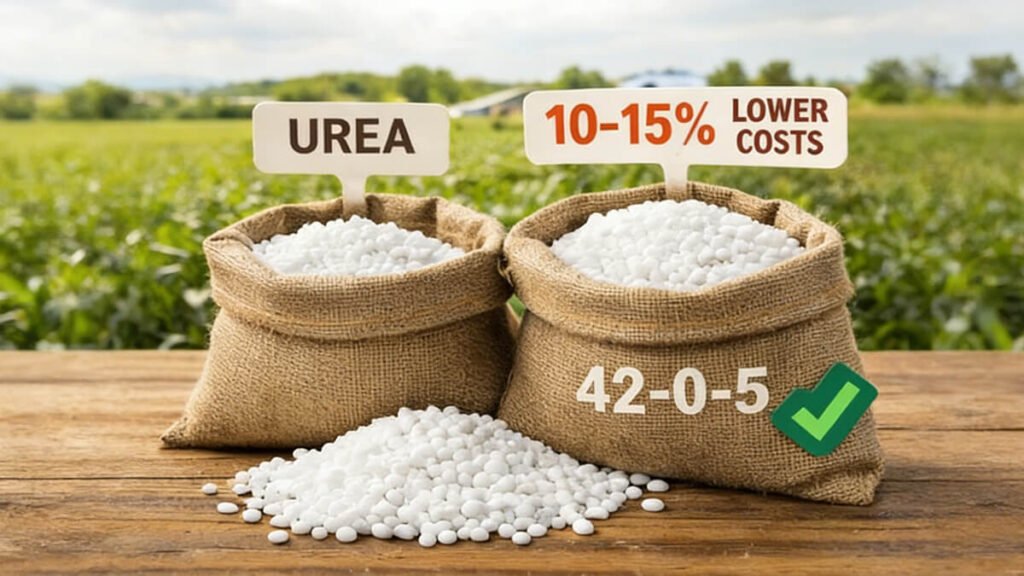
Under comparable market conditions, the selling price of 42-0-5 is typically about 10–15% lower than urea.
For farmers focused on reducing input costs, this price difference alone can significantly lower fertilizer expenses per hectare.
When application rates and timing are similar, 42-0-5 delivers immediate cost savings compared to standard urea.
In real-world farming, urea is often combined with potassium fertilizers, especially for:
- High-yield cereal crops
- Crops with increased potassium demand in mid-to-late growth stages
Soils with low available potassium
- Improve nutrient balance
- Reduce the need for separate potassium applications
Simplify fertilization programs
👉 Over a full growing season, using 42-0-5 can be more economical than applying urea and potassium fertilizers separately.
This balanced approach is strongly promoted by Terafon Fertilizer as part of cost-efficient nutrient management.
Urea is a fast-acting nitrogen fertilizer and can suffer nitrogen losses through volatilization or leaching, especially under high temperatures or poor management.
The potassium in 42-0-5 supports:- More efficient nitrogen uptake and transport within plants
- Improved stress resistance and lodging resistance
More stable crop growth in later stages
As a result, many users report more consistent performance and reduced fertilization risk when switching from urea to 42-0-5.
4️⃣ Suitable Crops and Application Stages for 42-0-5
Thanks to its high nitrogen content, uniform granules, and urea-like appearance, 42-0-5 is suitable for a wide range of crops, including:
- 🌾 Wheat and rice
- 🌽 Maize, especially during topdressing
- 🥔 Potatoes and sugar beet
🍉 Vegetables and fruit crops in early to mid-growth stages
For growers looking for a granular fertilizer that works like urea but costs less, 42-0-5 is a practical and efficient choice.
5️⃣ Why Distributors Prefer to Promote 42-0-5
From a market and distribution perspective, 42-0-5 offers clear advantages:
- Same appearance as urea, easy for customers to accept
- Lower price than urea, easier to close deals
- Differentiated from single-nutrient nitrogen fertilizers
More flexible margins and marketing potential
At Terafon Fertilizer, 42-0-5 is positioned as a high-nitrogen, high-value alternative to urea, suitable for both farmers and fertilizer distributors.

6️⃣ Conclusion: 42-0-5 Is a Smarter, Cheaper Alternative to Urea
If you are looking for a fertilizer that:
- Looks like urea and is applied the same way
- Offers a 10–15% lower price than urea
- Provides more balanced nutrition
Helps reduce total fertilization costs
Then 42-0-5 is not just a replacement for urea — it is an upgraded, cost-efficient solution.
As agriculture continues to focus on efficiency and cost control, 42-0-5 from Terafon Fertilizer is becoming an increasingly popular choice in many markets worldwide.
Frequently Asked Questions (FAQ)
Urea (46-0-0) contains a high percentage of nitrogen, which often makes its cost per unit of nitrogen relatively low compared with many other nitrogen fertilizers. Its wide availability and simple formulation also contribute to its competitive pricing.
Yes. Granular fertilizers designed with the same physical appearance as urea—uniform white particles—can typically be applied using the same spreading equipment and methods. This ensures easy handling and smooth integration into existing fertilization programs.
Yes. Some high-nitrogen granular fertilizers similar to urea are priced approximately 10–15% lower than urea, while still delivering effective nitrogen nutrition. These products can offer better cost efficiency, especially when fertilizer budgets are tight.
Including potassium in a nitrogen fertilizer helps improve nutrient balance, plant strength, and stress tolerance. Fertilizers such as 42-0-5 provide both nitrogen and potassium, reducing the need for separate applications and improving overall nutrient efficiency.
The choice depends on soil conditions, crop requirements, and fertilizer cost. While urea supplies nitrogen alone, urea-like blended fertilizers may provide additional nutrients at a lower overall cost, making them a practical alternative in many cropping systems.
Related Articles
Recommended Fertilizers
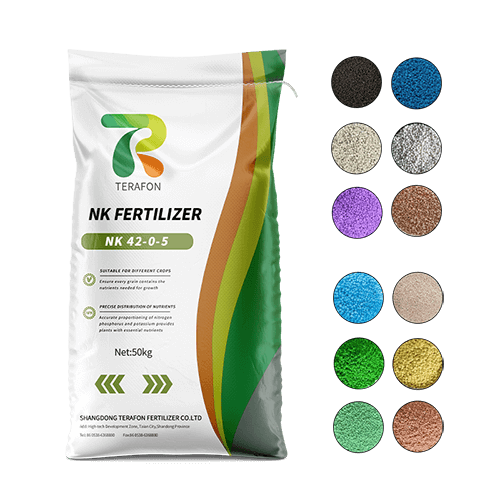
High-Nitrogen Fertilizer
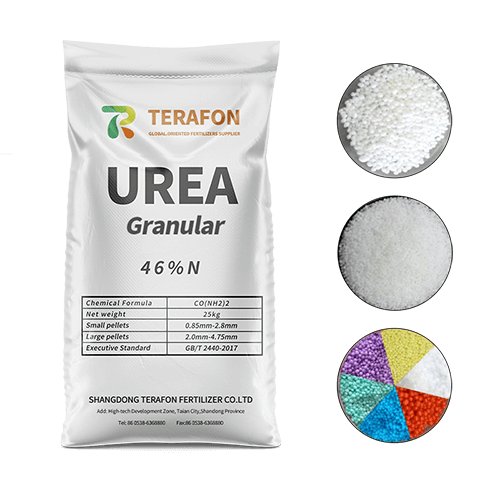
Urea-46%-Granular
Urea 46% Prilled
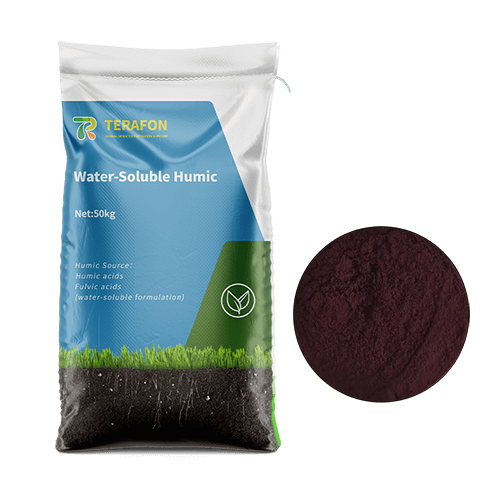
Water-Soluble Humic
Suitable Crops

Industrial & Bio-Processing Crop
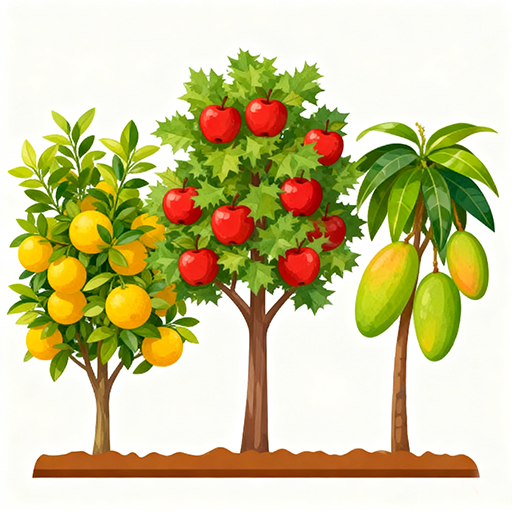
Fruit Trees & Orchards

Leafy & Fruiting Vegetables

Root & Bulb Vegetables
Fertilizer Similar to Urea but Cheaper: Agricultural Benefits
Granular fertilizers like urea supply fast-acting nitrogen at 10–15% lower cost and improve nutrient balance. Terafon Fertilizer offers efficient, cost-effective products for better crop growth.
