


- Home » Terafon Fertilizer 2026 New Year Message...
Fertilizer Export Restrictions 2026: Global Supply Crisis & Solutions
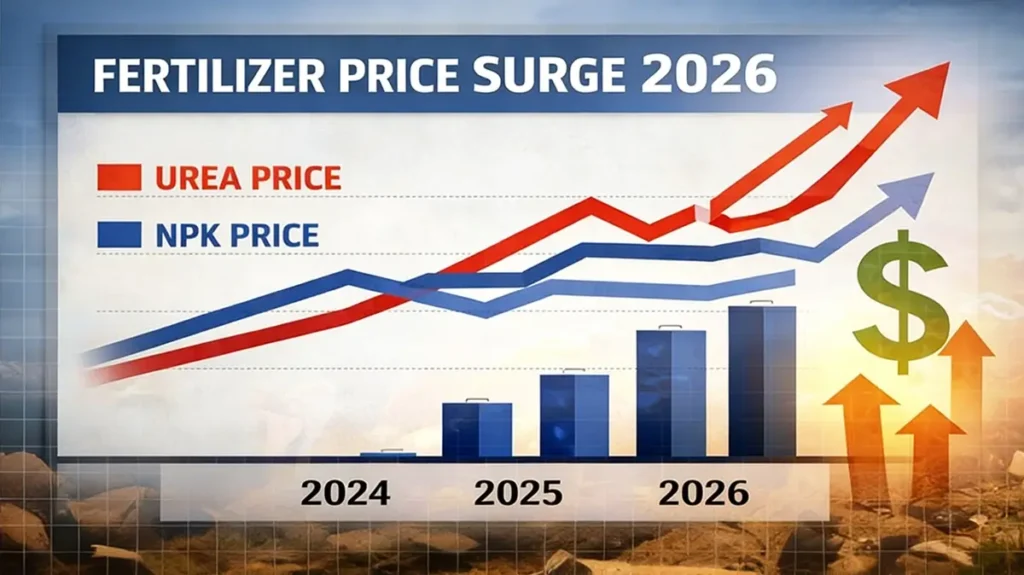
In 2026, the global fertilizer market is facing unprecedented disruption as governments worldwide impose stricter fertilizer export restrictions to safeguard domestic agriculture. These policy shifts are significantly affecting the global fertilizer supply chain, driving price volatility and reshaping international trade dynamics.
For agricultural stakeholders, understanding these evolving fertilizer market trends is essential. As a professional fertilizer manufacturer, Terafon Fertilizer provides strategic insights and stable supply solutions to help clients navigate this increasingly complex environment.
Table of Contents
- 1. Rising Fertilizer Export Restrictions in 2026
- 2. Major Exporting Countries Tighten Controls
- 3. Key Drivers Behind Global Fertilizer Policy Changes
- 4. Impact on Global Fertilizer Supply Chain and Prices
- 5. What It Means for Fertilizer Importers and Distributors
- 6. What It Means for Fertilizer Importers and Distributors
- 7. Conclusion
1. Rising Fertilizer Export Restrictions in 2026
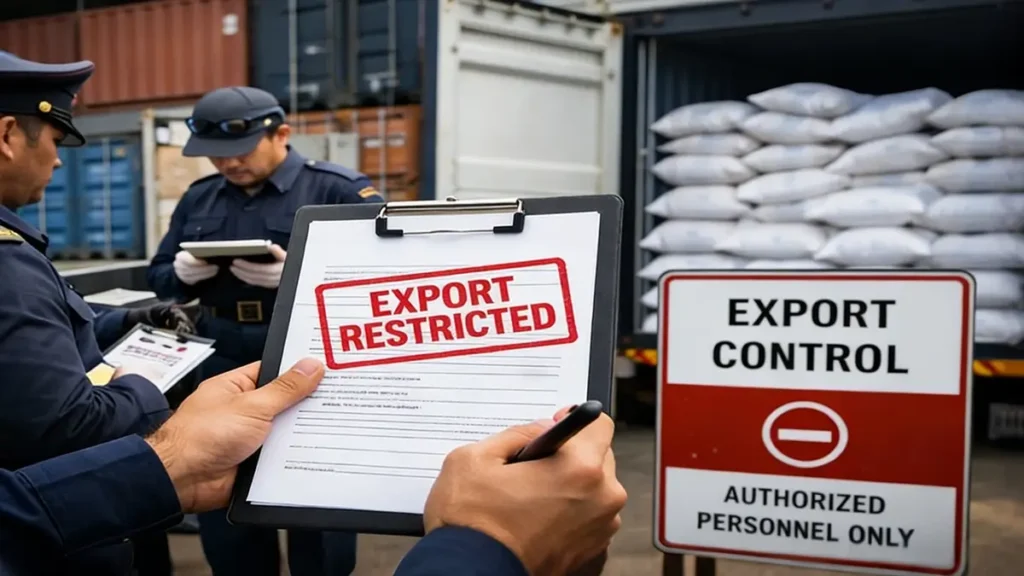
Across key producing regions, export controls have become a dominant factor influencing the fertilizer supply-demand balance. Governments are prioritizing domestic food production, leading to reduced availability of fertilizers in international markets.
This tightening of supply is particularly evident in essential nutrients such as nitrogen, phosphate, and compound fertilizers, including widely used NPK 15-15-15 and NPK 20-20-20 fertilizers. As a result, global buyers are facing increasing challenges in securing consistent supply at predictable prices.
2. Major Exporting Countries Tighten Controls
China’s Export Policy Adjustments
China remains a critical player in the global phosphate fertilizer market and NPK production. In 2026, stricter export regulations—including quotas, inspections, and licensing requirements—have limited outbound shipments.
These measures are significantly impacting the availability of phosphate fertilizers and compound NPK fertilizers, tightening supply for international buyers and contributing to global price fluctuations.
Russia’s Nitrogen Fertilizer Restrictions
Russia, a major exporter of nitrogen fertilizers, has introduced temporary export controls on products such as ammonium nitrate. These restrictions are directly influencing the global nitrogen fertilizer supply, especially during peak agricultural seasons.
Given Russia’s importance in the urea and ammonia market, these policies are amplifying concerns over urea price volatility and supply uncertainty.
European Trade Policies and Sanctions
In addition to export controls, trade sanctions and tariffs within Europe are reshaping fertilizer import-export dynamics. Restrictions on Russian and Belarusian fertilizers have further tightened supply in global markets, increasing procurement costs for many regions.
3. Key Drivers Behind Global Fertilizer Policy Changes
Food Security and Agricultural Stability
Ensuring sufficient domestic fertilizer availability has become a top priority for governments aiming to maintain crop yields and stabilize food production.
Geopolitical Risks and Trade Disruptions
Global geopolitical tensions and shipping uncertainties are disrupting traditional fertilizer trade routes, forcing countries to adopt more protective trade measures.
Inflation and Cost Control
Rising input costs have pushed governments to implement export restrictions as a tool to control domestic fertilizer prices and support local farmers.
4. Impact on Global Fertilizer Supply Chain and Prices
The combined effect of these restrictions is reshaping the global fertilizer supply chain:
- Reduced availability of key fertilizers in international markets
- Increased competition among importers for limited supply
- Significant fertilizer price volatility, especially in nitrogen and phosphate segments
- Growing uncertainty in long-term procurement planning
In particular, fluctuations in the urea market and tightening supply of compound fertilizers are forcing buyers to rethink sourcing strategies and supplier partnerships.
5. What It Means for Fertilizer Importers and Distributors
Key Challenges
Importers are facing mounting pressure due to:
- Supply shortages in critical planting seasons
- Rising procurement and logistics costs
- Increased exposure to market risks
Emerging Opportunities
At the same time, the current environment is accelerating demand for:
- Reliable bulk fertilizer suppliers with stable supply capacity
- Diversified sourcing strategies across multiple regions
- Long-term contracts to mitigate price and supply risks
Markets heavily dependent on imports are increasingly prioritizing supplier reliability over short-term pricing advantages.
6. Terafon Fertilizer’s Strategic Response to Market Volatility
In response to ongoing fertilizer market uncertainty, Terafon Fertilizer has implemented a comprehensive strategy to support global customers:
Diversified Global Sourcing
By expanding procurement channels across multiple regions, Terafon reduces dependency on any single country affected by export restrictions.
Stable Supply of Core Fertilizer Products
Terafon ensures consistent availability of high-demand products, including:
- Compound NPK fertilizers (15-15-15, 20-20-20)
- Urea and UAN solutions
- Water-soluble and specialty fertilizers
Long-Term Supply Partnerships
Through contract-based supply agreements, Terafon helps clients secure stable pricing and reliable delivery in volatile markets.
Real-Time Market Intelligence
Terafon continuously monitors global fertilizer policy changes and market trends, providing customers with actionable insights to optimize procurement decisions.

7. Conclusion
The tightening of fertilizer export restrictions in 2026 is fundamentally reshaping the global agricultural input market. While these policies aim to protect domestic food systems, they are also introducing significant challenges for international buyers and distributors.
In this evolving landscape, partnering with a trusted and experienced global fertilizer supplier is essential. Terafon Fertilizer remains committed to delivering stable supply, market expertise, and long-term value—helping customers navigate uncertainty and achieve sustainable agricultural growth.
Get a Catalog & Best Price
Recommended Fertilizers
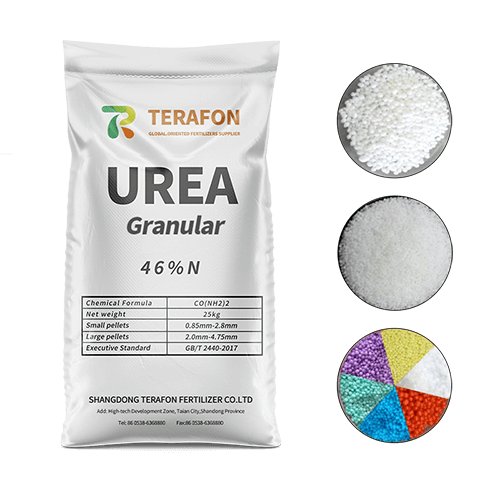
Urea Fertilizer
View Solutions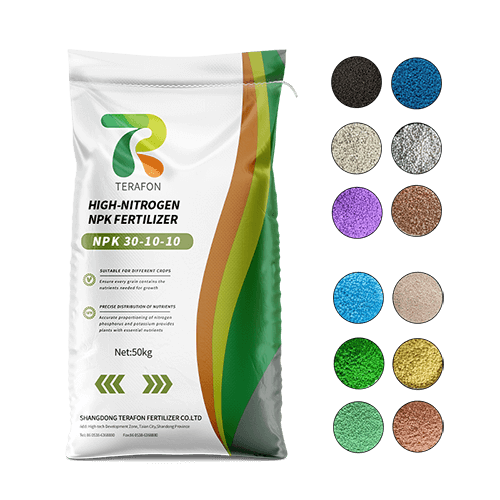
NPK Fertilizer
View Solutions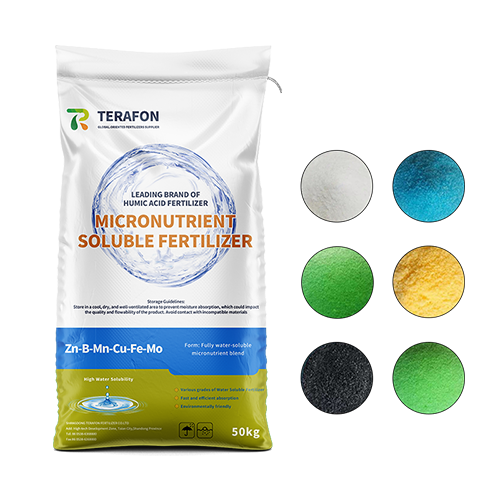
Water Soluble Fertilizer
View Solutions
Fulvic-Acid-Fertilizer
View SolutionsSuitable Crops
Cereal Crops

Legume Crops

Root & Tuber Crops

Fruit Crops
Navigate Fertilizer Export Restrictions 2026 with Confidence
Contact us today to learn how Terafon’s reliable global supply solutions help you manage fertilizer export restrictions, reduce sourcing risks, stabilize procurement costs, and ensure consistent crop nutrition for sustainable agricultural growth.
