


- Home » How to Choose Nitrogen Fertilizer Types...
How to Choose Nitrogen Fertilizer Types Based on Crops and Soil
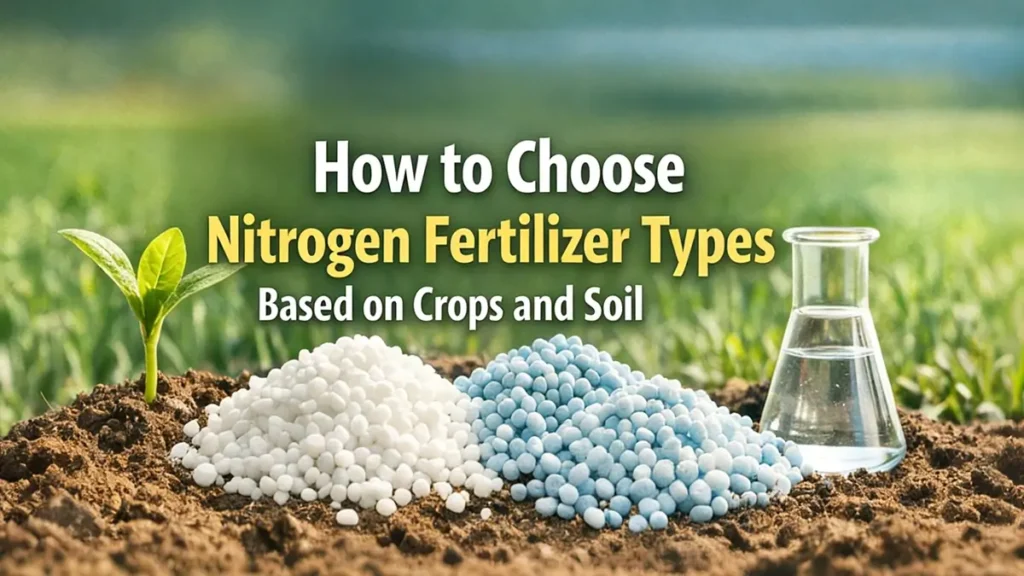
In modern agricultural production, optimizing nitrogen fertilizer types and application strategies according to crop requirements and soil conditions is essential for achieving high yields, improved crop quality, and enhanced nitrogen use efficiency. Different crops respond differently to nitrogen forms, while soil properties directly influence nitrogen transformation, mobility, and availability.
By integrating crop nutrient demand, soil characteristics, and fertilizer performance, growers can establish a more precise and efficient nitrogen management system. As a professional nitrogen fertilizer solution provider, Terafon offers a diversified nitrogen product portfolio designed to adapt to a wide range of cropping systems and field conditions.
Table of Contents
- 1️⃣ Why Nitrogen Fertilizer Optimization Matters
- 2️⃣ Nitrogen Fertilizer Types and Their Behavior in Soil
- 3️⃣ Crop Nitrogen Requirements Across Growth Stages
- 4️⃣ How Soil Conditions Influence Nitrogen Selection and Efficiency
- 5️⃣ Nitrogen Application Methods and Precision Management
- 6️⃣ Product-System-Based Nitrogen Optimization Strategies
- 7️⃣ Practical Summary and Recommendations
1️⃣ Why Nitrogen Fertilizer Optimization Matters
Nitrogen is one of the most critical nutrients for plant growth, directly affecting leaf development, photosynthetic capacity, and final yield. However, improper nitrogen fertilizer selection or application timing often leads to low nitrogen use efficiency, nutrient losses, and unnecessary environmental risks.
Optimizing nitrogen fertilizer strategies based on crop type, soil conditions, and climate factors helps reduce nitrogen loss, improve nutrient uptake, and lower overall production costs, making it a cornerstone of sustainable crop nutrition management.
2️⃣ Nitrogen Fertilizer Types and Their Behavior in Soil
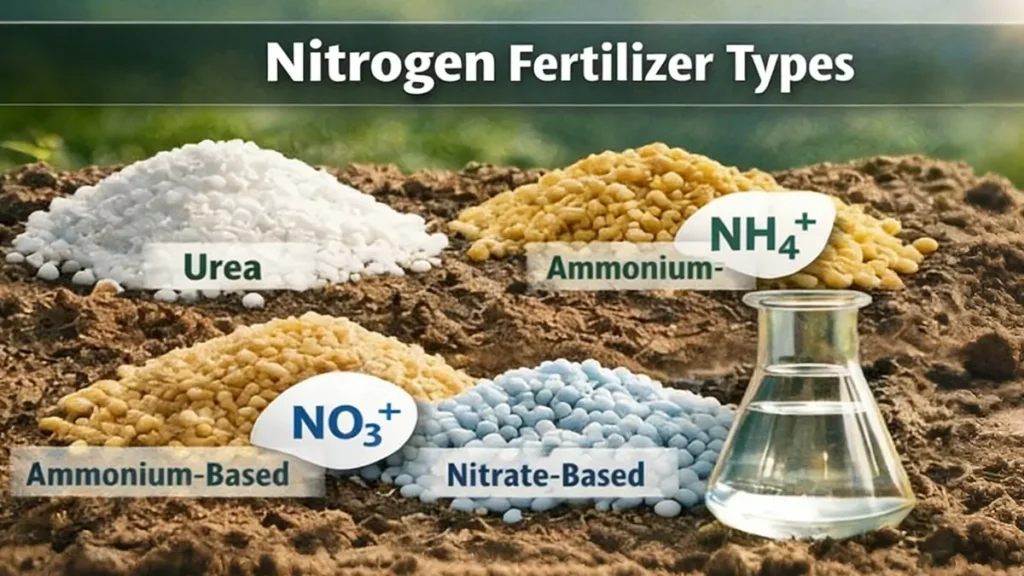
Nitrogen fertilizers differ significantly in nitrogen form and soil behavior:
- Nitrate-based nitrogen fertilizers provide rapid nutrient availability but are more susceptible to leaching, especially in sandy soils or high-rainfall regions.
Ammonium-based nitrogen fertilizers are less mobile in soil and better retained by clay particles, though long-term use may influence soil acidity.
Amide nitrogen fertilizers such as urea require enzymatic conversion before plant uptake, making application timing and placement particularly important.
Liquid nitrogen fertilizers and stabilized nitrogen products allow precise application and are increasingly used in mechanized farming and fertigation systems.
Selecting the right nitrogen source requires more than comparing nitrogen content; soil texture, moisture conditions, and crop growth duration must also be considered.
3️⃣ Crop Nitrogen Requirements Across Growth Stages
Crop nitrogen demand varies significantly throughout the growing season:
Early vegetative stages require readily available nitrogen to support rapid leaf and root development.
Rapid growth stages demand a stable nitrogen supply to maintain high biomass accumulation and photosynthetic efficiency.
Reproductive stages require controlled nitrogen input, as excessive nitrogen may negatively affect crop quality or lodging resistance.
In cereal crops, oilseeds, and many cash crops, split nitrogen application strategies, combining basal fertilization with well-timed topdressing, are widely recognized as an effective approach to matching nitrogen supply with crop demand.
4️⃣ How Soil Conditions Influence Nitrogen Selection and Efficiency
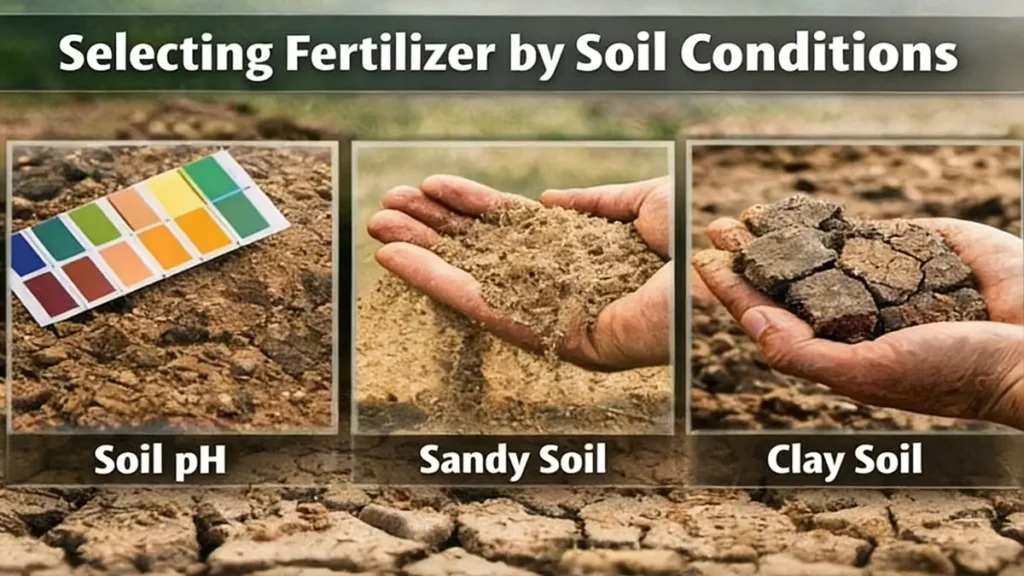
Soil properties play a decisive role in nitrogen fertilizer performance:
Soil pH affects urea hydrolysis and nitrification rates, influencing nitrogen availability.
Soil texture determines nutrient retention capacity, with sandy soils posing higher nitrate leaching risks.
Soil organic matter content enhances microbial activity and improves nitrogen buffering capacity.
Conducting soil testing and selecting nitrogen fertilizer types suited to specific soil conditions can significantly improve fertilizer efficiency and crop nutrient uptake.
5️⃣ Nitrogen Application Methods and Precision Management
Advances in agricultural technology have shifted nitrogen management toward more precise approaches:
- Adjusting nitrogen application rates based on soil nutrient analysis and crop growth monitoring;
- Optimizing nitrogen application timing to align with crop nitrogen uptake patterns;
Utilizing liquid nitrogen fertilizers in irrigation systems to ensure uniform nutrient distribution.
These practices support demand-driven nitrogen supply, reducing losses while maximizing fertilizer efficiency. Within integrated nutrient management programs, Terafon nitrogen fertilizers are compatible with basal application, topdressing, and modern fertigation techniques.
6️⃣ Product-System-Based Nitrogen Optimization Strategies
Relying on a single nitrogen source may not fully address the complexity of crop nutrition needs. A more effective approach involves combining different nitrogen fertilizer types:
- Fast-acting nitrogen sources for early growth stages;
- Stabilized or controlled-release nitrogen for prolonged nutrient availability;
Liquid nitrogen fertilizers for precise supplementation during critical growth periods.
This crop-centered and soil-adapted nitrogen strategy enhances nutrient synchronization and supports consistent crop performance across diverse agricultural systems.
7️⃣ Practical Summary and Recommendations
To optimize nitrogen fertilizer types and application strategies effectively, growers should focus on:
- Understanding crop-specific nitrogen requirements at different growth stages;
- Selecting nitrogen sources based on soil conditions and environmental factors;
- Applying nitrogen in split and precise applications to improve nitrogen use efficiency;
Integrating multiple nitrogen forms in high-value or intensive cropping systems.
A well-designed nitrogen management strategy not only improves yield stability and crop quality but also contributes to long-term soil health and sustainable agricultural production. Terafon remains committed to providing reliable nitrogen fertilizer products and technical support for efficient nutrient management solutions.
Frequently Asked Questions (FAQs)
Selecting the optimal nitrogen fertilizer requires considering both soil properties (pH, texture, organic matter) and crop-specific nitrogen requirements at each growth stage. Conducting a soil test and analyzing crop nutrient needs helps determine whether urea, ammonium nitrate, ammonium sulfate, or liquid nitrogen fertilizers will maximize uptake efficiency and minimize nitrogen losses.
Regular soil testing is essential for precise nitrogen management. It provides critical data on soil nitrogen levels, pH, texture, and organic matter, which influence fertilizer performance. Ideally, conduct tests before each planting season to tailor nitrogen application rates and types to meet crop demands efficiently and sustainably.
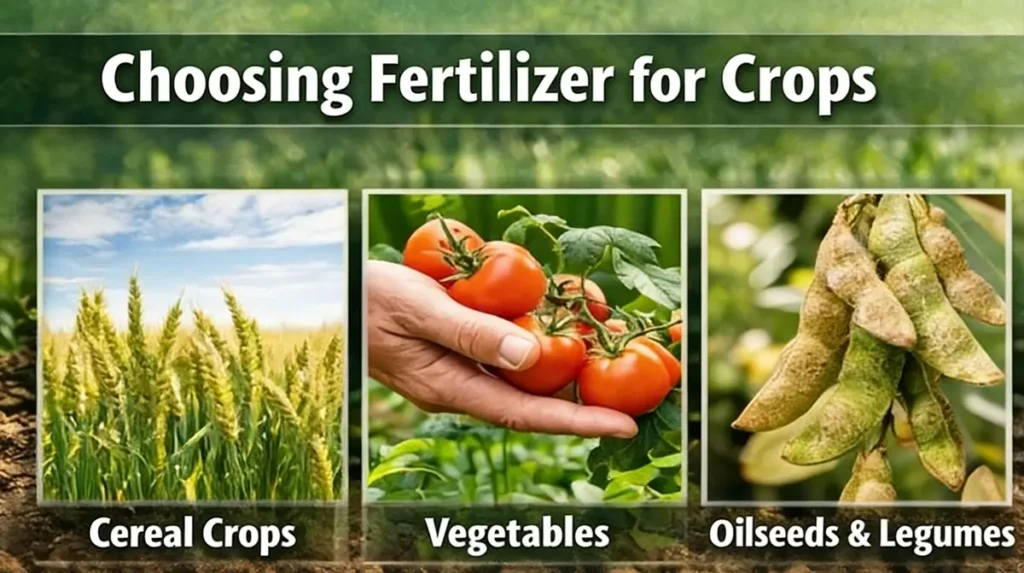
No. Nitrogen fertilizer choice should be crop- and soil-specific. High nitrogen-demand crops such as maize, wheat, and rice often require fast-acting nitrogen sources, while vegetables, fruits, or high-value specialty crops may benefit from nitrate-rich or liquid nitrogen fertilizers. Selecting the appropriate fertilizer ensures optimal growth, yield, and nutrient efficiency.
Soil chemistry and structure are critical for nitrogen availability:
Soil pH: Acidic soils retain ammonium nitrogen more effectively, whereas neutral or alkaline soils favor nitrate forms.
Soil texture: Sandy soils are prone to nitrate leaching, requiring stabilized or slow-release nitrogen, while clay soils can retain both ammonium and nitrate forms longer.
Considering these factors ensures fertilizer efficiency and minimizes environmental nitrogen losses.
Appropriate nitrogen fertilization supports robust plant growth and higher yield potential, but efficiency depends on matching fertilizer type, application timing, and soil conditions. Over-application or mismatched nitrogen sources can reduce nutrient uptake efficiency and increase environmental risks. Optimized nitrogen strategies have been shown to enhance crop yield, quality, and nitrogen use efficiency sustainably.
Recommended Fertilizers
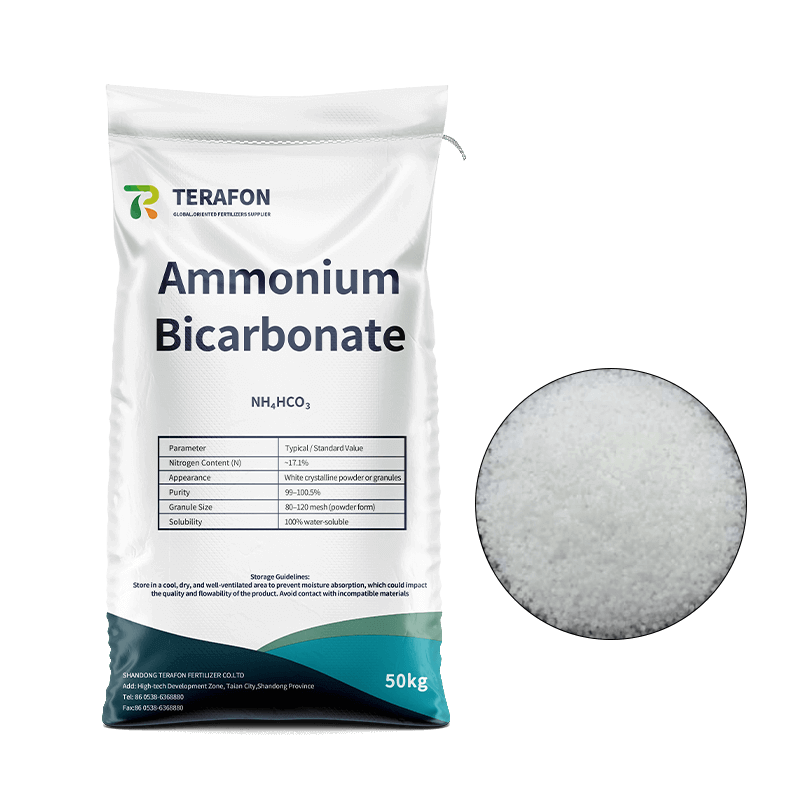
Ammonium Bicarbonate
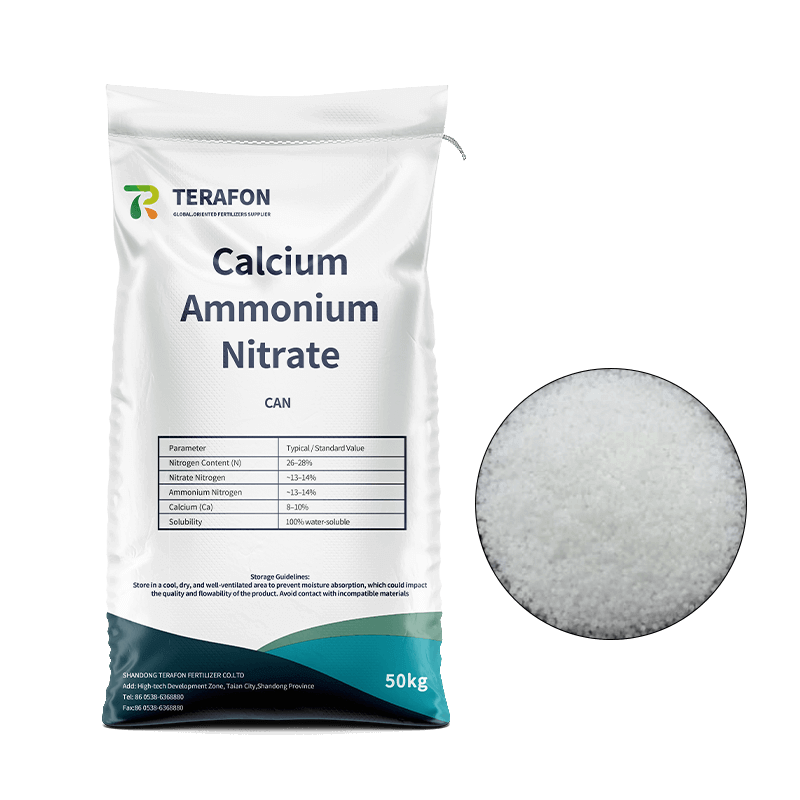
Calcium-Ammonium-Nitrate
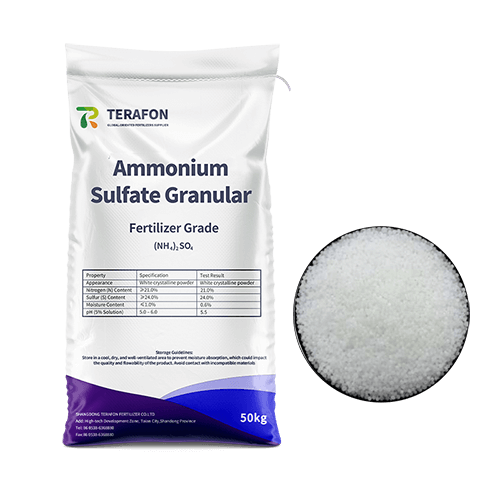
Ammonium Sulfate
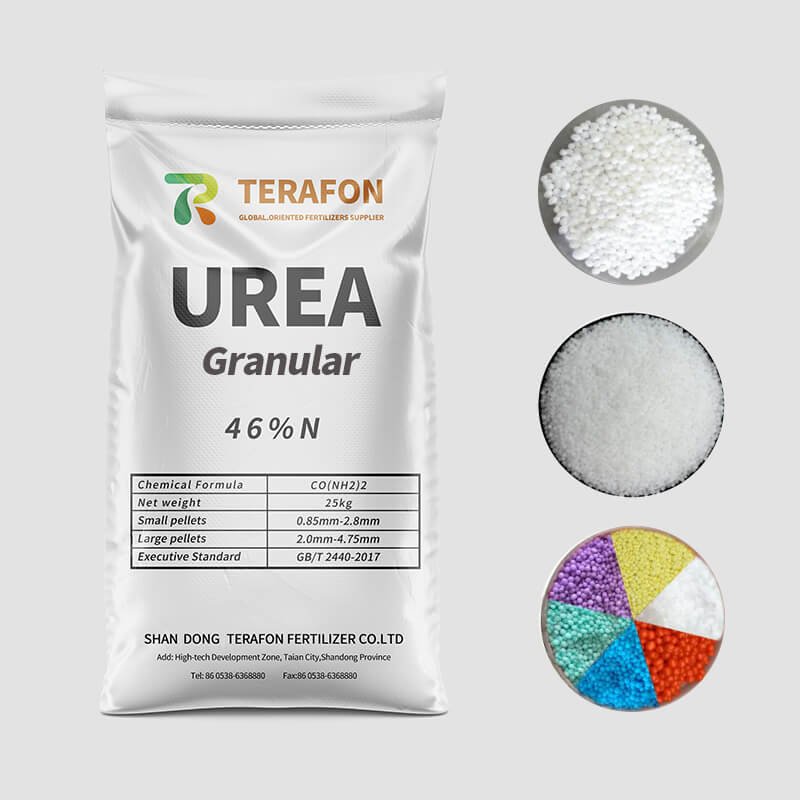
Urea-46-Granular
Suitable Crops

Industrial & Bio-Processing Crop
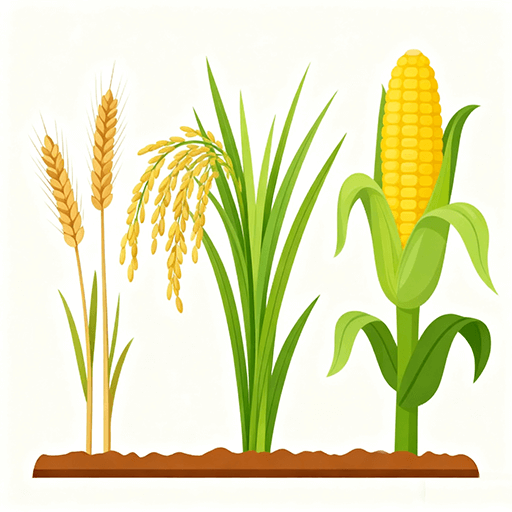
Cereal Crops
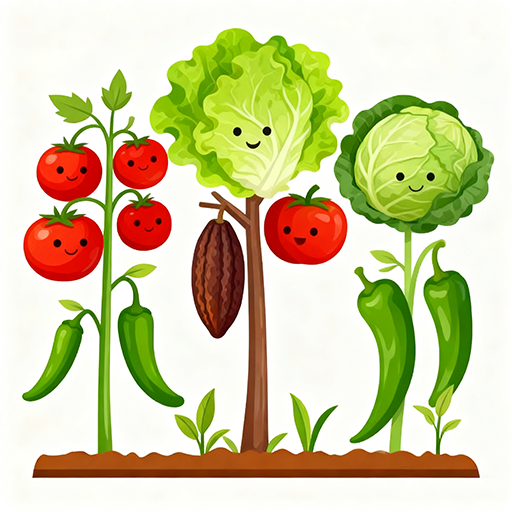
Leafy & Fruiting Vegetables
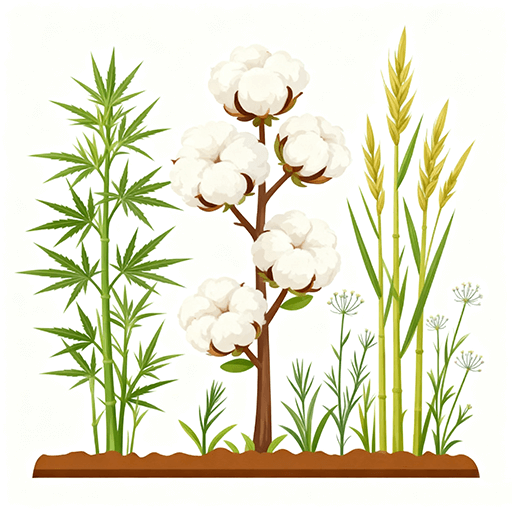
Fiber Crop
Choosing the Right Nitrogen Fertilizer for Crops and Soil
Select the best nitrogen fertilizer based on soil, crop stage, and nutrient needs. Urea, ammonium, nitrate, and liquid forms each provide specific benefits. Terafon Fertilizer offers high-quality nitrogen products to support healthy growth and maximize yields.
