


- Home » How to Choose the Right Fertilizer for Rice Crop...
How to Choose the Right Fertilizer for Rice Crops (Complete Guide)
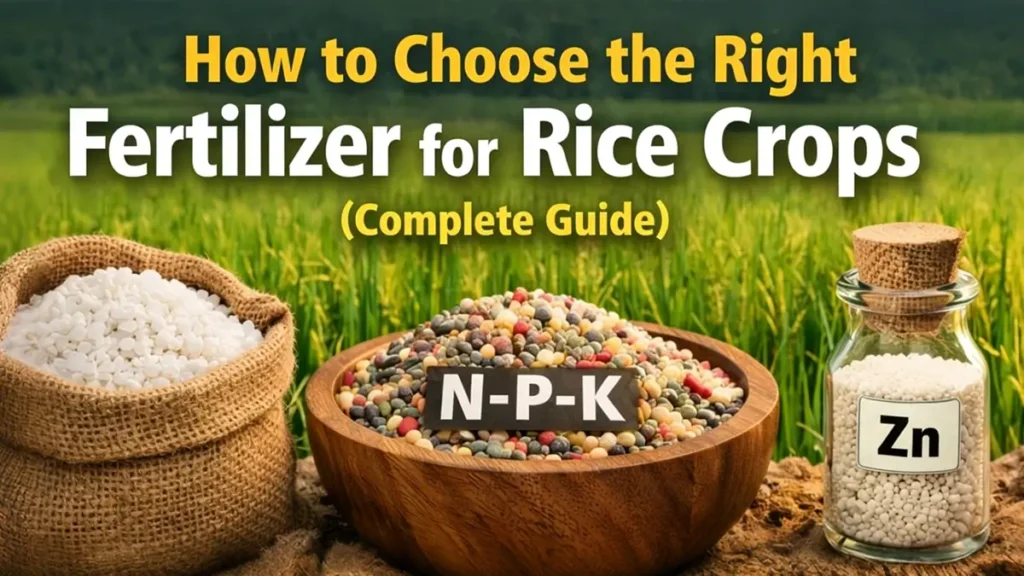
Rice is a nutrient-intensive crop that requires balanced fertilization and precise nutrient management to achieve high yield and grain quality. Selecting the best fertilizer for rice crops depends on soil conditions, crop stage, and the right combination of nutrient sources.
Leading suppliers such as Terafon Fertilizer provide a wide range of solutions, including NPK, nitrogen fertilizers, and customized rice fertilizers, helping growers implement efficient and sustainable fertilization strategies.
This guide explains which fertilizers are most suitable for rice, including conventional and rice-specific fertilizers, and how to apply them for maximum productivity.
Table of Contents
- 1. Nutrient Requirements of Rice Crops
- 2. Key Benefits of Water-Soluble Fertilizer for Crops
- 3. Essential Nutrients in Water-Soluble NPK Fertilizers
- 4. Types of Water-Soluble Fertilizers for Different Crops
- 5. Key Factors When Choosing the Best Water-Soluble Fertilizer
- 6. Application Methods: Fertigation, Drip Irrigation, and Foliar Feeding
- 7. Choosing the Best Water-Soluble Fertilizer for Vegetables, Fruits & Crops
- 8. Best Practices to Improve Crop Yield with Water-Soluble Fertilizer
- 9. Conclusion
1. Nutrient Requirements of Rice Crops
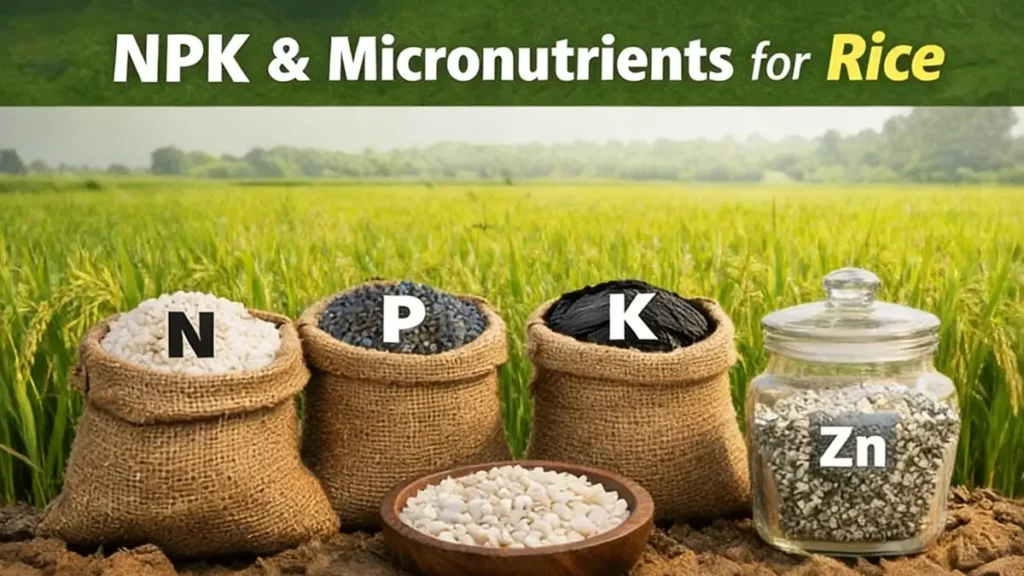
Rice requires three essential macronutrients:
- Nitrogen (N) – drives tillering and yield formation
- Phosphorus (P) – supports root development
Potassium (K) – improves grain quality and stress resistance
Typical requirements in modern rice farming:
- 100–170 kg/ha Nitrogen
- 60–100 kg/ha Phosphorus
40–60 kg/ha Potassium
In addition, micronutrients such as zinc for rice crops are critical, especially in flooded or alkaline soils.
2. Best Fertilizers for Rice (Including Rice-Specific Fertilizers)
Choosing the right fertilizer for rice farming involves combining multiple nutrient sources for balanced nutrition.
1️⃣ Nitrogen Fertilizers for Rice
- Urea (46% N) – most widely used nitrogen source
- Ammonium sulfate – ideal for flooded paddy fields
Liquid nitrogen fertilizers (UAN) – suitable for fertigation systems
These fertilizers are essential for improving rice yield and nitrogen efficiency.
2️⃣ Phosphorus Fertilizers
- DAP (Diammonium Phosphate)
- SSP (Single Super Phosphate)
TSP (Triple Super Phosphate)
Used mainly as basal fertilizers for rice, supporting early root development.
3️⃣ Potassium Fertilizers
MOP (Muriate of Potash / KCl)
- Disease resistance
- Water regulation
Grain filling and quality
4️⃣ Compound NPK Fertilizers
5️⃣ Rice-Specific Fertilizers (Recommended)
Modern agriculture increasingly adopts rice-specific fertilizers, including:
- Customized NPK blends for rice
- Controlled-release fertilizers
Slow-release nitrogen fertilizers
- Match nutrient demand at each growth stage
- Improve nutrient use efficiency in rice farming
Reduce nitrogen loss in paddy fields
At this stage, many growers turn to solutions from Terafon Fertilizer, which offers tailored fertilizer options suitable for rice production systems while maintaining agronomic balance.
6️⃣ Micronutrient Fertilizers
- Zinc sulfate (ZnSO₄) – essential for rice
- Sulfur and iron (depending on soil conditions)
Zinc deficiency is a major limiting factor in rice yield.
7️⃣ Organic Fertilizers
- Farmyard manure (FYM)
- Compost
Green manure (Azolla, Sesbania)
These improve soil health, microbial activity, and long-term sustainability.
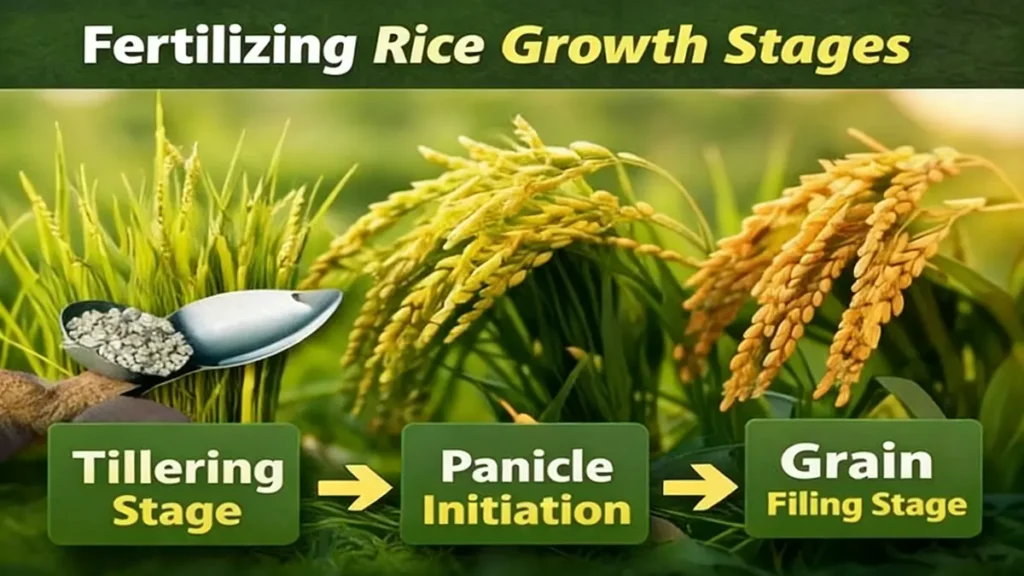
3. Fertilizer Selection by Growth Stage
🌱 Basal Application (Before Planting)
- NPK fertilizers or DAP + MOP
- Organic fertilizers
👉 Supports early growth
🌿 Tillering Stage
- Nitrogen fertilizers
🌾 Panicle Initiation Stage
- Nitrogen + potassium
👉 Enhances grain formation
🌾 Grain Filling Stage
- Light nitrogen if needed
👉 Avoid excess to maintain grain quality
4. Recommended NPK Ratios for Rice
Typical recommendations:
- 100:60:40 (N:P:K) – standard production
120:60:60 (N:P:K) – high-yield systems
- Improve fertilizer efficiency
- Reduce nutrient loss
Increase yield
5. Organic vs Chemical Fertilizers for Rice
Chemical Fertilizers
- Fast nutrient supply
High yield potential
Organic Fertilizers
- Improve soil health
- Enhance sustainability
👉 Best approach: Integrated Nutrient Management (INM)
6. Best Fertilization Strategy for High Yield Rice
For optimal results:
✔ Conduct soil testing
✔ Use balanced NPK fertilizer for rice crops
✔ Apply nitrogen in split doses
✔ Include rice-specific fertilizers or controlled-release fertilizers
✔ Correct micronutrient deficiencies
✔ Combine organic and inorganic inputs
This approach improves rice yield, nutrient efficiency, and soil sustainability.
Conclusion
Choosing the best fertilizer for rice crops requires a comprehensive strategy that includes:
- Nitrogen fertilizers (urea, ammonium sulfate, UAN)
- Phosphorus and potassium fertilizers
- Compound NPK fertilizers
- Rice-specific fertilizers
Micronutrients and organic inputs
By applying fertilizers at the right time and in the right balance, farmers can achieve higher yields, better grain quality, and improved nutrient efficiency.
Reliable suppliers such as Terafon Fertilizer support growers with consistent fertilizer solutions, helping implement efficient and sustainable rice nutrition programs.
Frequently Asked Questions (FAQ)
The best fertilizer for rice is a balanced NPK fertilizer combined with nitrogen sources like urea, along with micronutrients such as zinc to support optimal growth and yield.
Rice typically requires 40–70 kg of nitrogen per acre, with phosphorus and potassium adjusted based on soil testing and yield targets.
Apply fertilizer in split applications: basal (before planting), tillering stage, and panicle initiation stage to improve nutrient efficiency.
Common NPK ratios for rice are 100:60:40 or 120:60:60 (N:P:K), depending on soil fertility and production goals.
Micronutrients like zinc are essential for rice growth, helping prevent deficiencies that reduce yield and crop quality.
Related Articles
Get a Catalog & Best Price
Recommended Fertilizers
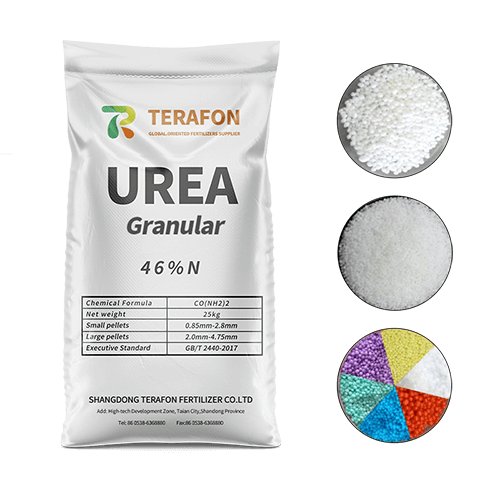
Urea-46%-Granular
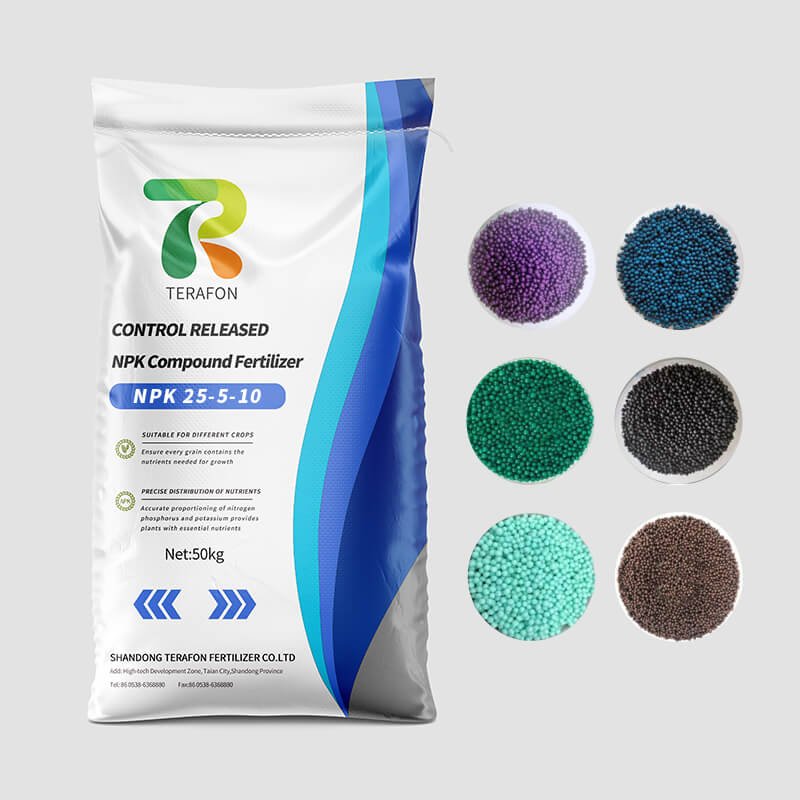
NPK Fertilizer
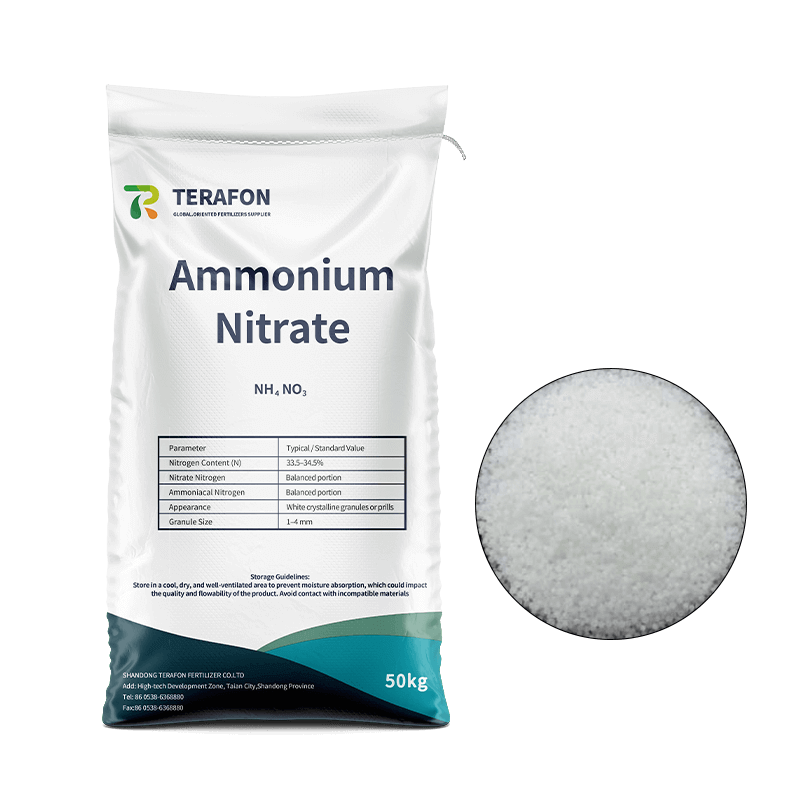
Nitrate Nitrogen
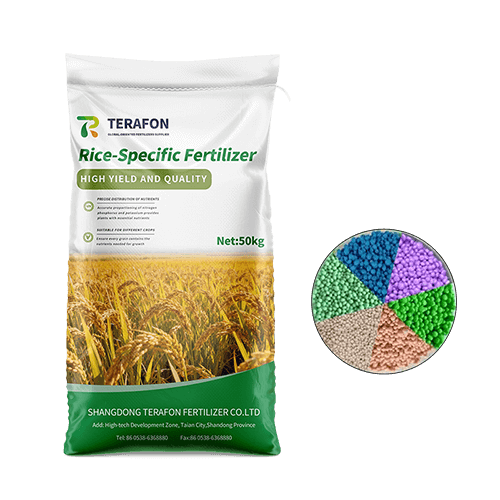
Rice Fertilizer
Suitable Crops
Cereal Crop

Forage & Pasture Crops

Leafy & Fruiting Vegetables

Oil Crops
Rice Fertilizer: Enhancing Crop Growth
Apply rice fertilizers through soil application, fertigation, or foliar spray to provide balanced nutrients for healthy rice crops and improved yields. Terafon Fertilizer offers reliable rice-specific and NPK fertilizer solutions for efficient and sustainable rice production.
