


- Home » What Are the Benefits of Amino Acid Fertilizer....
What Are the Benefits of Amino Acid Fertilizer for Plants?
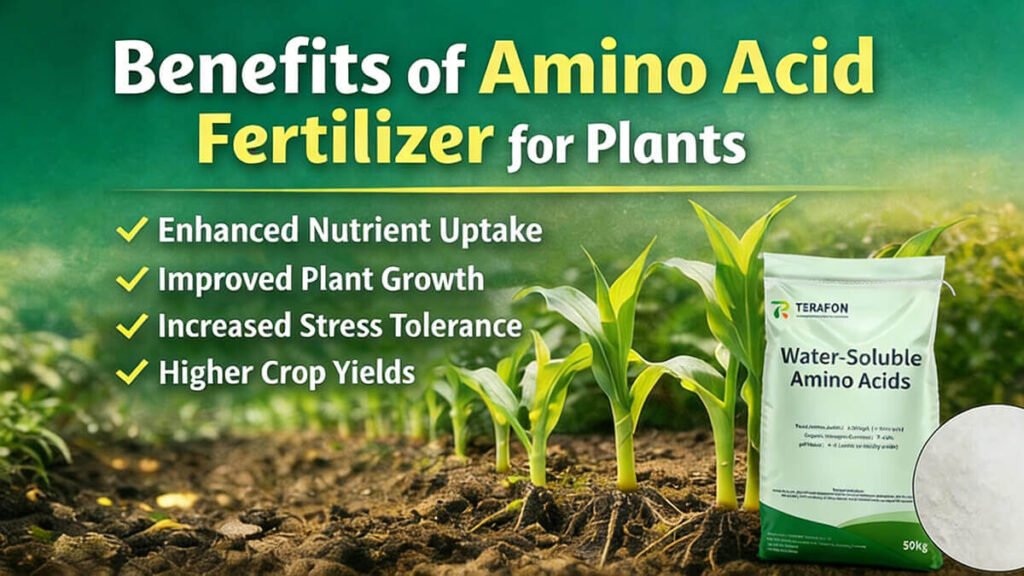
As growers increasingly seek efficient and sustainable plant nutrition solutions, amino acid fertilizer has become an essential component of modern crop management strategies. Many producers and agronomists ask: what are the real benefits of amino acid fertilizer for plants, and how does it support higher productivity under diverse growing conditions?
Backed by agronomic research and field application experience, amino acid fertilizers are now widely incorporated into integrated nutrient programs offered by professional suppliers such as Terafon Fertilizer, helping growers improve nutrient efficiency, crop resilience, and yield stability.Table of Contents
1. What Is Amino Acid Fertilizer?
Amino acid fertilizer is an organic or bio-based plant nutrition product derived from protein hydrolysis of plant or animal sources. It supplies crops with free amino acids that can be directly absorbed through plant roots or leaves.
Unlike conventional nitrogen fertilizers that require energy-intensive conversion inside the plant, amino acids enter metabolic pathways immediately, supporting enzyme activity, hormone synthesis, and stress-response mechanisms. For this reason, amino acid fertilizers are often categorized as plant biostimulants rather than simple nutrient inputs.
2. Key Benefits of Amino Acid Fertilizer for Plants
2.1 Improved Nutrient Uptake and Fertilizer Efficiency
One of the most significant benefits of amino acid fertilizer for plants is its ability to enhance nutrient uptake efficiency. Amino acids naturally chelate micronutrients such as iron, zinc, and manganese, improving their mobility and availability in both soil and plant tissues.
This chelating effect allows crops to absorb nutrients more effectively, reducing fertilizer losses and improving overall nutrient balance throughout the growing season.
2.2 Enhanced Plant Growth and Root Development
Amino acid fertilizers support cell division, protein synthesis, and enzymatic activity, which leads to stronger root systems and more vigorous vegetative growth. Crops receiving amino acid liquid fertilizer often show improved root density, faster canopy development, and increased biomass accumulation.
These effects are particularly valuable during early growth stages, transplant recovery, and periods of rapid vegetative expansion.
2.3 Increased Stress Tolerance in Plants
One of the most searched-for benefits of amino acid fertilizer is its role in enhancing plant stress tolerance. Under environmental stresses such as drought, heat, salinity, or cold, plants naturally accumulate amino acids to protect cellular structures.
Supplemental amino acid fertilizer helps regulate osmotic pressure, stabilize membranes, and reduce oxidative stress, enabling plants to recover faster and maintain growth under unfavorable conditions.
2.4 Boosted Photosynthesis and Chlorophyll Formation
Amino acids play a direct role in chlorophyll synthesis and photosynthetic efficiency. By increasing chlorophyll content, amino acid fertilizers enhance light absorption and energy conversion, resulting in healthier foliage and improved plant vigor.
This benefit becomes especially pronounced when amino acid fertilizers are applied as a foliar spray during active growth phases or after stress events.
2.5 Improved Crop Yield and Product Quality
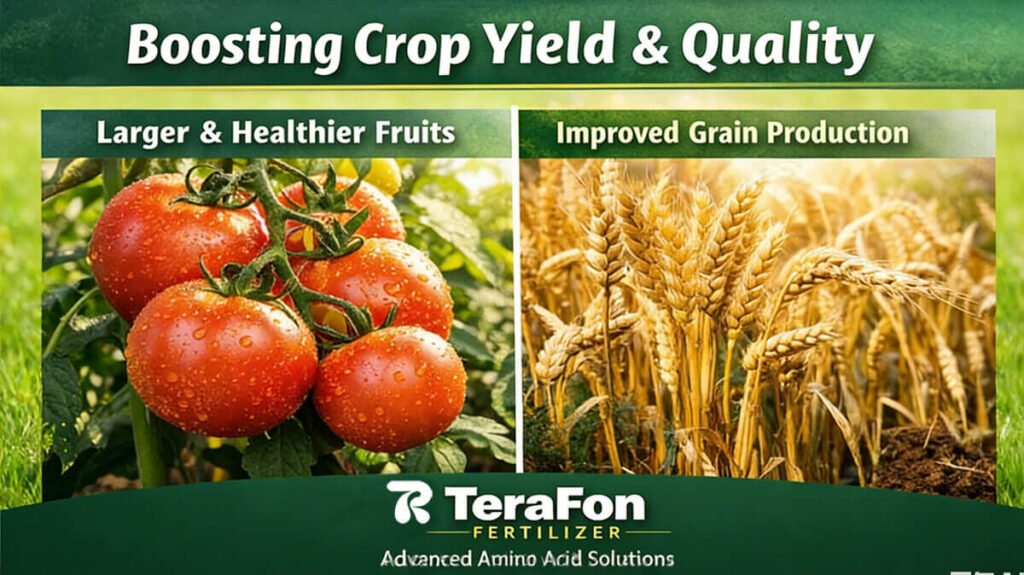
Consistent application of amino acid fertilizer contributes to higher crop yield and improved product quality, including better fruit size, uniformity, color, and nutrient density. For high-value crops such as fruits, vegetables, and horticultural plants, these improvements translate into stronger market competitiveness.
Mid-season yield enhancement programs developed by companies like Terafon Fertilizer often integrate amino acid fertilizers to support reproductive growth and quality formation.
2.6 Reduced Reliance on Chemical Fertilizers
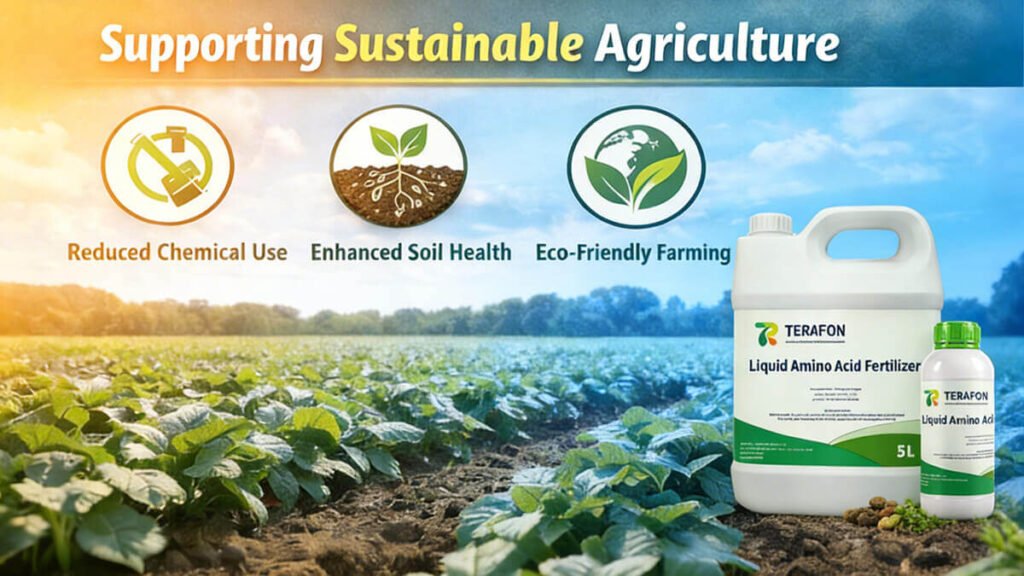
By improving nutrient use efficiency and plant metabolic performance, amino acid fertilizers help reduce excessive dependence on traditional chemical fertilizers. This not only lowers input costs but also supports environmentally responsible and sustainable farming practices.
Integrating amino acid fertilizer into nutrient management plans allows growers to achieve optimal results with fewer synthetic inputs.
2.7 Enhanced Soil Health and Microbial Activity
3. How Amino Acid Fertilizer Improves Plant Growth and Yield
Amino acid fertilizer supports plant growth through multiple physiological mechanisms:
- Direct absorption of free amino acids
- Activation of enzymatic and metabolic processes
- Improved transport of macro- and micronutrients
Enhanced stress response and recovery
Because amino acids require less metabolic energy than inorganic nitrogen forms, plants can allocate more energy toward flowering, fruit development, and yield formation.
4. Application Methods: How to Use Amino Acid Fertilizer Effectively
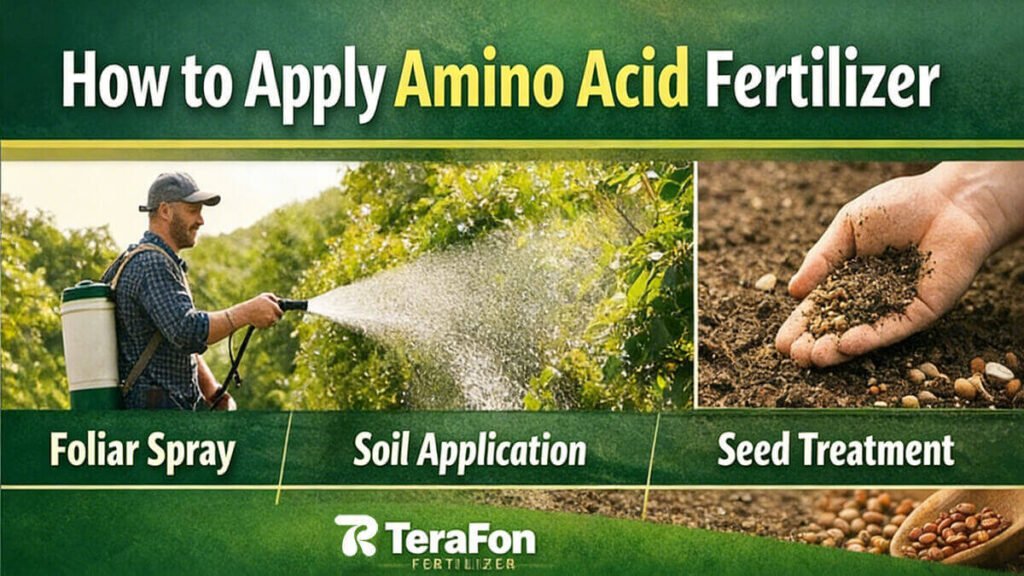
Amino acid fertilizers are highly versatile and suitable for multiple application methods:
- Foliar spray application for rapid absorption and stress relief
- Soil application to enhance root-zone nutrition and microbial activity
- Fertigation systems for precise nutrient delivery
Seed treatment to improve germination and early vigor
5. Limitations and Best Use Scenarios
While amino acid fertilizers offer substantial benefits, they are not a complete replacement for essential macro– and micronutrients. Their effectiveness depends on:
- Amino acid concentration and molecular composition
- Crop species and physiological stage
Integration with balanced fertilization programs
Amino acid fertilizer performs best when used as a strategic supplement within a comprehensive nutrient management system.
6. Final Thoughts
So, what are the benefits of amino acid fertilizer for plants? From enhanced nutrient uptake and stronger stress resistance to improved yield and crop quality, amino acid fertilizers have become an indispensable tool in modern agriculture.
For growers seeking reliable, science-based amino acid fertilizer solutions, professional manufacturers such as Terafon Fertilizer continue to play a key role in advancing efficient, sustainable, and high-performance plant nutrition strategies.
Recommended Fertilizers
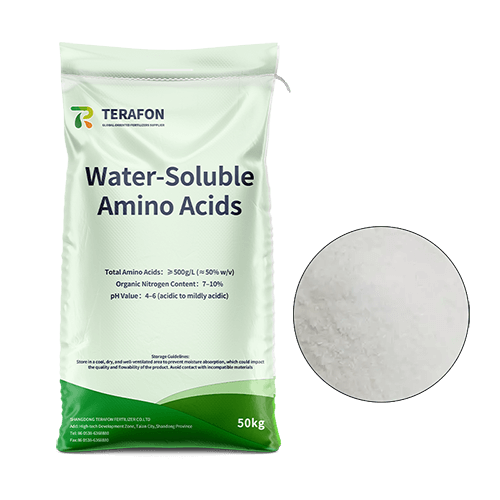
Water-Soluble-Amino-Acids
View Solutions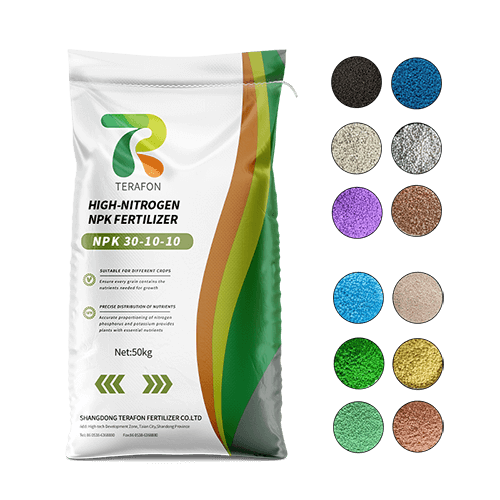
Macronutrient-Soluble-fertilizer
View Solutions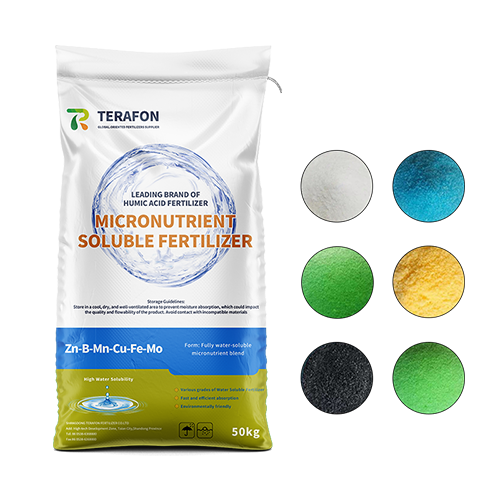
Micronutrient-Soluble-fertilizer
View Solutions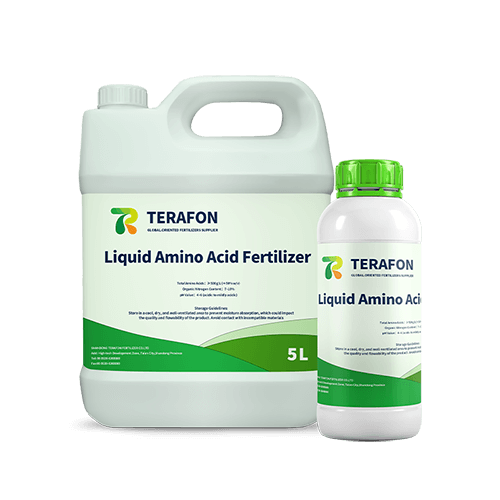
Liquid Amino Acid Fertilizer
View SolutionsSuitable Crops
Cereal Crops

Legume Crops

Root & Tuber Crops

Fruit Crops
Choose the Best Amino Acid Fertilizer for Your Crops
Select the right amino acid fertilizer based on crop type and growth stage to improve nutrient uptake, increase stress resistance, and enhance yield. Contact Terafon Fertilizer for professional support and tailored solutions.
