


- Home » Ammonium vs Nitrate Nitrogen: Plant Uptake...
Ammonium vs Nitrate Nitrogen: Plant Uptake & Fertilizer Tips
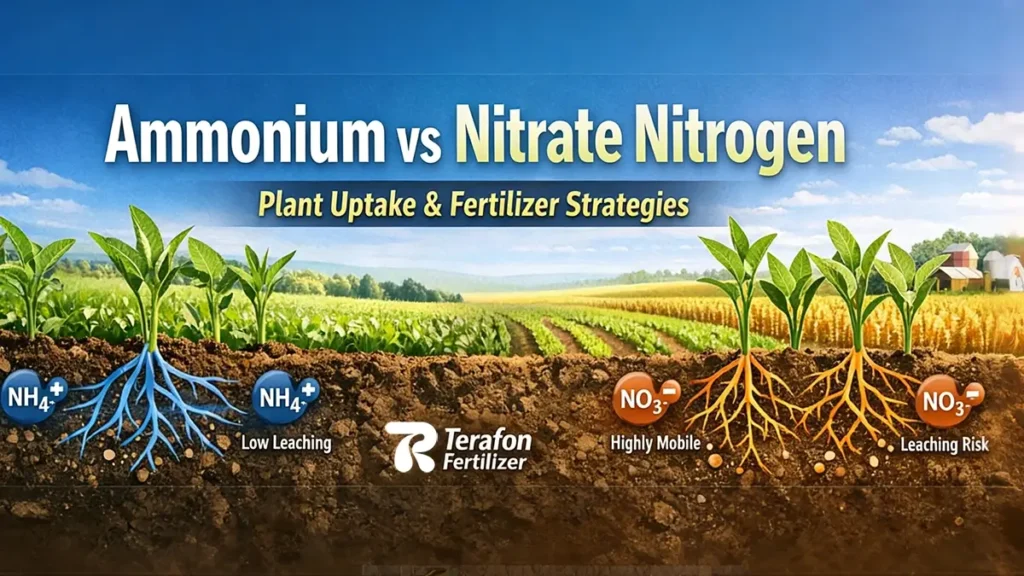
Nitrogen (N) is a fundamental nutrient for plant growth, contributing directly to amino acids, proteins, chlorophyll, and metabolic activity. The form of nitrogen supplied—whether ammonium nitrogen (NH₄⁺-N) or nitrate nitrogen (NO₃⁻-N)—significantly influences plant absorption, growth, and environmental impact.
Modern fertilizers, such as those from Terafon Fertilizer, focus on delivering balanced NH₄⁺ and NO₃⁻ formulations to improve nitrogen uptake efficiency while maintaining soil health.
Table of Contents
- 1️⃣ Chemical and Soil Behavior: Ammonium vs Nitrate
- 2️⃣ Plant Uptake Mechanisms: How Roots Absorb NH₄⁺ and NO₃⁻
- 3️⃣ Physiological Impacts: Assimilation, Energy Costs, and Growth
- 4️⃣ Optimizing Fertilizer Strategies for Maximum Nitrogen Use Efficiency
- 5️⃣ Crop-Specific Preferences and Practical Application Cases
- 6️⃣ Environmental Considerations and Loss Reduction
- 7️⃣ Common Myths, Clarifications, and Best Practices
- 8️⃣ Representative Ammonium & Nitrate Fertilizer Products
- Conclusion: Integrating Science with Sustainable Fertilization
1️⃣ Chemical and Soil Behavior: Ammonium vs Nitrate
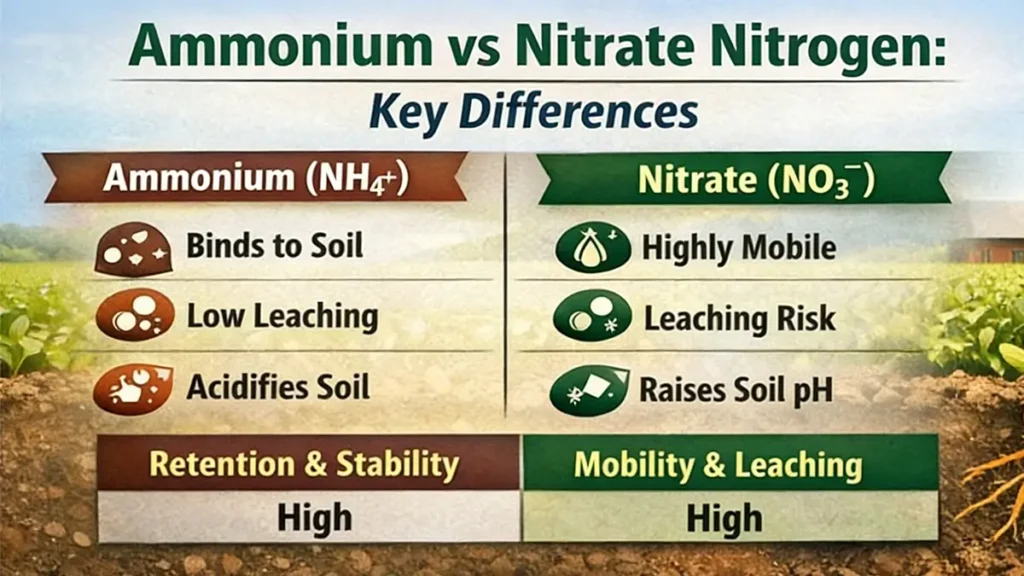
| Comparison | Ammonium Nitrogen (NH₄⁺) | Nitrate Nitrogen (NO₃⁻) |
|---|---|---|
| Charge & Soil Behavior | Positively charged, binds to soil particles, low leaching risk | Negatively charged, highly mobile, prone to leaching and denitrification |
| Soil pH Effect | Releases H⁺, can acidify rhizosphere | Releases OH⁻ or binds H⁺, can increase rhizosphere pH |
| Root Uptake | Direct absorption, more stable in acidic or waterlogged soils | Rapidly absorbed via mass flow, preferred in aerobic soils |
| Energy Cost | Low energy requirement for assimilation | Must be reduced to NH₄⁺ before incorporation, higher metabolic cost |
| Microbial Transformation | Can be nitrified to NO₃⁻ | Stable in soil but subject to microbial reduction under anaerobic conditions |
| Nitrogen Loss Risk | Low leaching risk, potential NH₃ volatilization | High leaching and denitrification risk |
| Interaction with Other Nutrients | Competes with K⁺, Ca²⁺, Mg²⁺ absorption | Can enhance uptake of cations like K⁺, Ca²⁺, Mg²⁺ |
| Crop Quality Effects | Excess can inhibit root growth, reduce biomass | Promotes efficient nutrient absorption and plant vigor |
| Fertilizer Management | Suitable for basal or slow-release applications | Suitable for topdressing, requires water management |
| Environmental Impact | Lower leaching risk, reduced eutrophication | High leaching potential, may affect groundwater quality |
2️⃣ Plant Uptake Mechanisms: How Roots Absorb NH₄⁺ and NO₃⁻
Plants utilize specialized transport proteins to absorb both ammonium and nitrate. NO₃⁻ uptake is largely driven by mass flow with transpiration, while NH₄⁺ absorption relies more on diffusion and root interception, particularly in acidic or waterlogged soils.
Balanced nitrogen fertilizers, such as Terafon Fertilizer formulations, are designed to provide both forms, supporting optimized root development and nutrient uptake.
3️⃣ Physiological Impacts: Assimilation, Energy Costs, and Growth
Nitrate nitrogen requires enzymatic reduction to ammonium prior to amino acid synthesis, consuming energy but promoting robust root architecture and nutrient assimilation.
Ammonium nitrogen is immediately usable but can acidify the rhizosphere and, at high concentrations, inhibit root growth.
Studies suggest that a balanced NH₄⁺/NO₃⁻ ratio can maximize nitrogen use efficiency, enhance photosynthetic activity, and improve plant biomass.
4️⃣ Optimizing Fertilizer Strategies for Maximum Nitrogen Use Efficiency
Applying a combination of ammonium and nitrate supports both rapid nutrient availability and sustained root activity. This reduces nitrate leaching and improves crop nitrogen uptake efficiency.
Incorporating controlled-release fertilizers or nitrification inhibitors helps maintain available nitrogen in the root zone, minimizing losses from volatilization or leaching.
Many growers have successfully used Terafon Fertilizer products to improve crop yield and nitrogen use efficiency while keeping environmental impact minimal.
Timing nitrogen applications to coincide with high-demand growth stages ensures crops absorb the maximum amount, further improving yield and quality.
5️⃣ Crop-Specific Preferences and Practical Application Cases
| Crop Type | Preferred Nitrogen Form | Recommended Strategy |
|---|---|---|
| Rice / Wetland Crops | NH₄⁺ dominant | Apply basal NH₄⁺, supplement with NO₃⁻ as needed |
| Vegetables & Cereals | NO₃⁻ dominant | Use NO₃⁻ for rapid growth, balance with small NH₄⁺ dose |
| Acid-Loving Crops | NH₄⁺ | Monitor soil pH and prevent ammonium toxicity |
By aligning fertilizer form with crop requirements, growers can optimize nitrogen uptake efficiency and overall productivity.
6️⃣ Environmental Considerations and Loss Reduction
Nitrate leaching and denitrification can lead to significant nitrogen losses and environmental contamination. Ammonium’s soil retention reduces mobility, but careful management is needed to prevent volatilization.
Balanced fertilizer solutions like Terafon Fertilizer products are formulated to reduce environmental risks while supporting crop growth.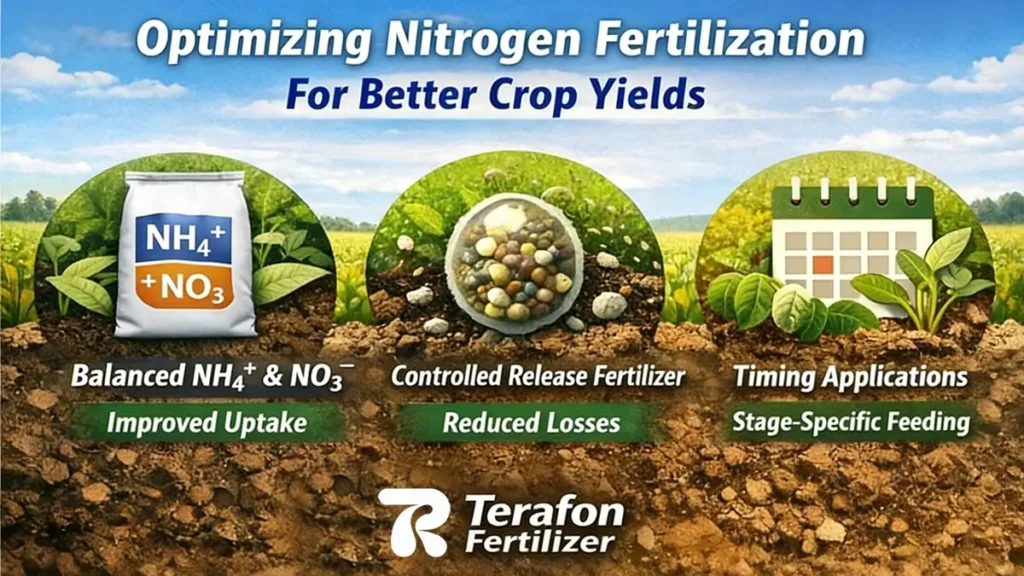
7️⃣ Common Myths, Clarifications, and Best Practices
Myth: One nitrogen form is superior for all crops
Fact: Most crops benefit from a strategic blend of NH₄⁺ and NO₃⁻.Myth: Plants only use nitrate
Fact: Plants can absorb both forms; uptake depends on soil type, oxygen availability, and crop species.
Best practices include soil testing, matching nitrogen supply to crop growth stages, and selecting fertilizers that provide balanced NH₄⁺/NO₃⁻ ratios.
8️⃣ Representative Ammonium & Nitrate Fertilizer Products
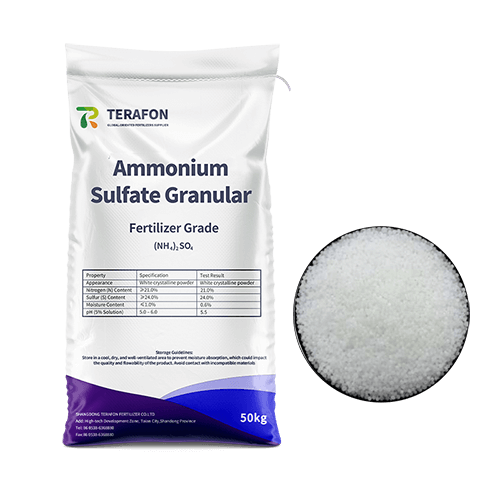
- Ammonium Sulfate – NH₄⁺ source with sulfur benefits
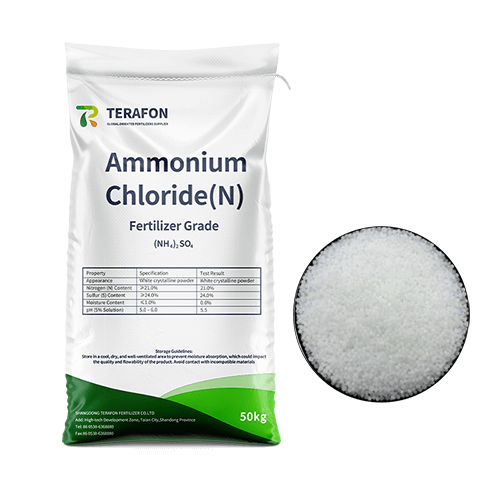
- Ammonium Chloride – soil-adsorbed, steady release
UAN (Urea-Ammonium Nitrate) Liquid – fast and sustained nitrogen supply
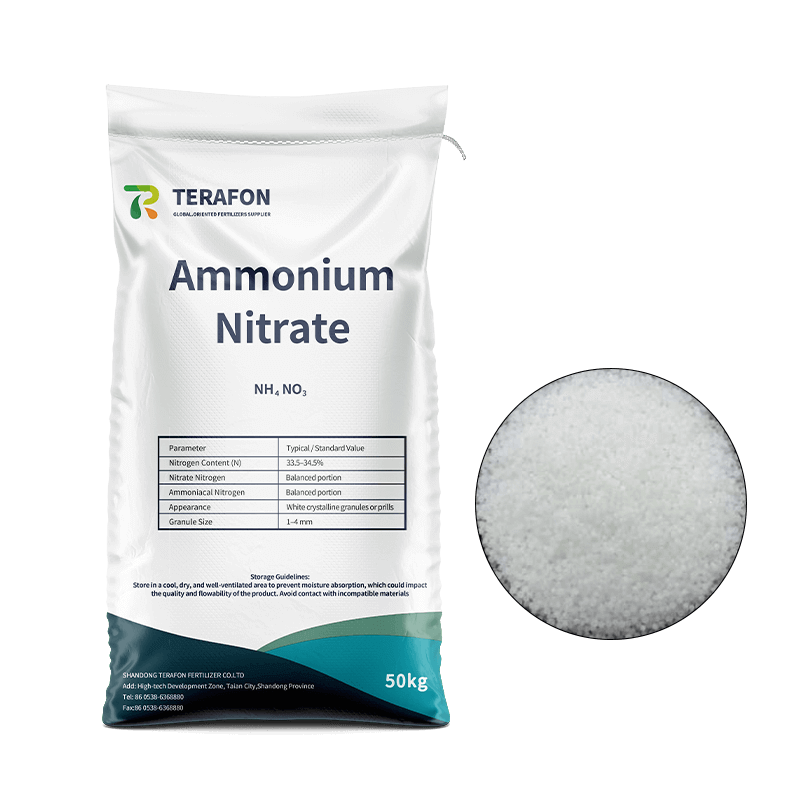
- Ammonium Nitrate – supplies NH₄⁺ and NO₃⁻
- Calcium Nitrate – NO₃⁻ + calcium for high-value crops
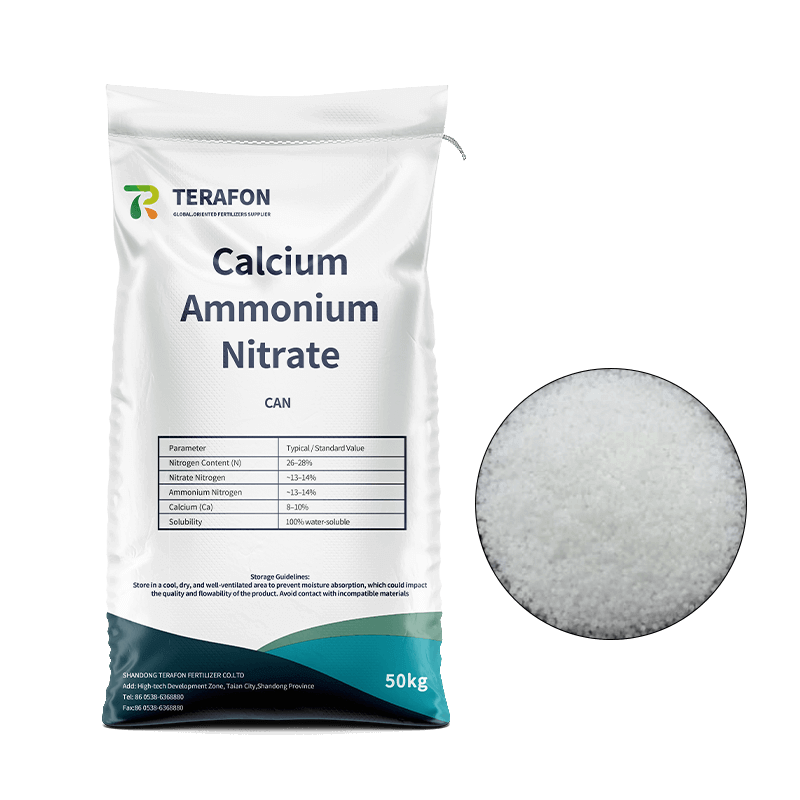
Calcium Ammonium Nitrate (CAN) – Terafon® CAN is a balanced option
Conclusion: Integrating Science with Sustainable Fertilization
Understanding the differences between ammonium nitrogen and nitrate nitrogen, including soil behavior, plant uptake, energy costs, and environmental implications, is critical for modern agriculture. By applying fertilizers that combine these forms in optimal ratios, growers can:
- Maximize crop nitrogen use efficiency
- Enhance plant growth and yield
Minimize environmental nitrogen losses
Terafon Fertilizer offers scientifically formulated products that support these goals, delivering high-efficiency nitrogen solutions for sustainable and productive agriculture.
Frequently Asked Questions (FAQ)
Yes. Most crops absorb both, but uptake depends on soil type, microbial activity, and crop species. Nitrification converts NH₄⁺ to NO₃⁻ in aerobic soils, making nitrate often the dominant form.
Nitrate is soluble and negatively charged, easily moving with water through soil. It can leach into groundwater or be lost via denitrification under saturated conditions.
NH₄⁺ uptake releases H⁺, acidifying the root zone, while NO₃⁻ uptake releases OH⁻, raising local pH. Proper management ensures nutrient availability and soil health.
Yes. Fertilizers like ammonium nitrate deliver a balanced nitrogen supply, supporting both immediate and sustained nutrient availability, improving nitrogen use efficiency.
Neither is universally superior. NH₄⁺ reduces leaching and enhances retention, while NO₃⁻ is quickly available. Using a blend of NH₄⁺ and NO₃⁻ is the most efficient strategy for yield and environmental safety.
Related Articles
Recommended Fertilizers
Ammonium-Sulfate
Ammonium-Chloride
Ammonium-Nitrate
Calcium-Ammonium-Nitrate
Suitable Crops
Cereal Crops

Industrial & Bio-Processing Crop

Leafy & Fruiting Vegetables

Root & Bulb Vegetables
Ammonium vs Nitrate Nitrogen: Best Practices for Crop Nutrition
Apply ammonium (NH₄⁺) and nitrate (NO₃⁻) nitrogen fertilizers through soil application, fertigation, or split top-dressing to optimize plant nitrogen uptake, support root growth, and improve crop yield. Terafon Fertilizer offers balanced NH₄⁺/NO₃⁻ products for efficient and sustainable fertilization.
