


- Home » How Much Ammonium Sulfate Should ...
How Much Ammonium Sulfate Should Be Applied per Hectare?

Ammonium sulfate is a widely used nitrogen and sulfur fertilizer in modern agriculture, valued for improving crop growth and correcting sulfur deficiencies. Determining the correct ammonium sulfate application rate per hectare is essential for maximizing yield and nutrient efficiency.
Reliable suppliers such as Terafon Fertilizer provide consistent ammonium sulfate products that meet agricultural standards, helping growers implement precise fertilization strategies across different cropping systems.
This guide explains how much ammonium sulfate per hectare should be applied based on crop requirements, soil conditions, and best agronomic practices.
Table of Contents
- 1. What Is Ammonium Sulfate Fertilizer?
- 2. Standard Application Rate per Hectare
- 3.How to Calculate Ammonium Sulfate Dosage (Formula)
- 4. Key Factors Affecting Fertilizer Dosage
- 5. How to Calculate Ammonium Sulfate per Hectare
- 6. Best Practices for Application
- 7. Common Mistakes to Avoid
- 8. Conclusion
1. What Is Ammonium Sulfate Fertilizer?
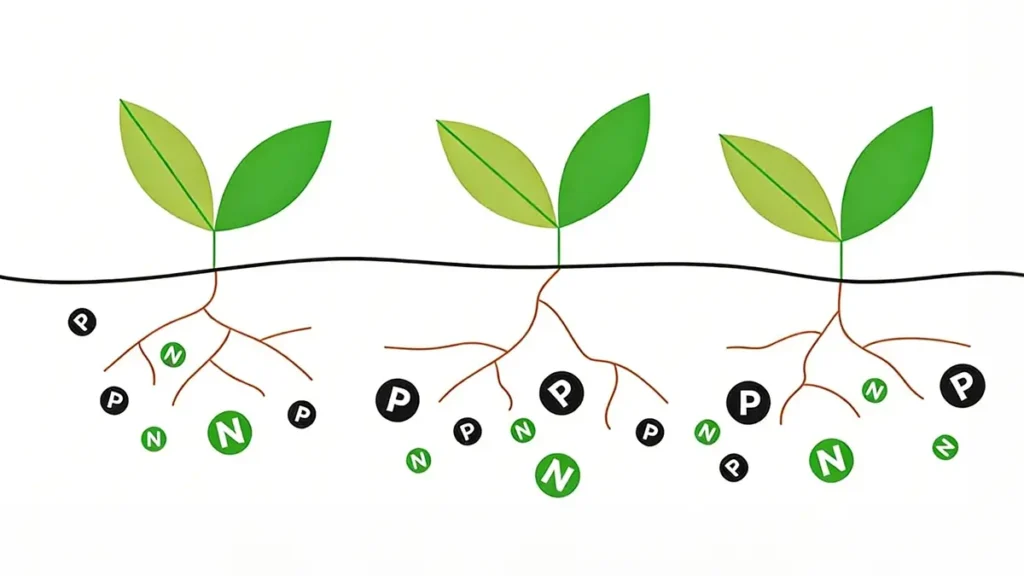
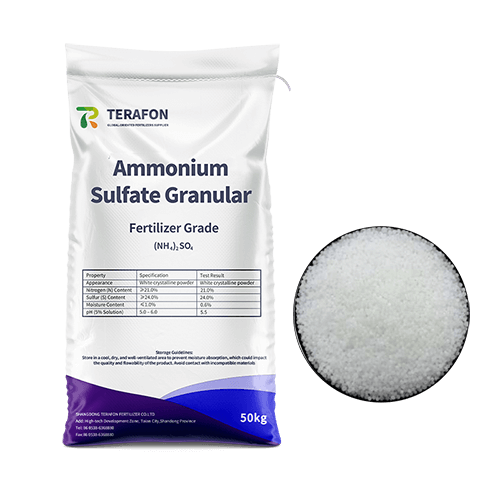
Ammonium sulfate ((NH₄)₂SO₄) is a widely used nitrogen fertilizer for crops, containing approximately 21% nitrogen and 24% sulfur. It is especially suitable for:
- Nitrogen-deficient soils
- Sulfur-deficient cropping systems
- Alkaline soils where pH adjustment is beneficial
It is commonly used in rice, wheat, corn, and vegetable production, where both nitrogen and sulfur are required for optimal growth.
2. Standard Application Rate per Hectare
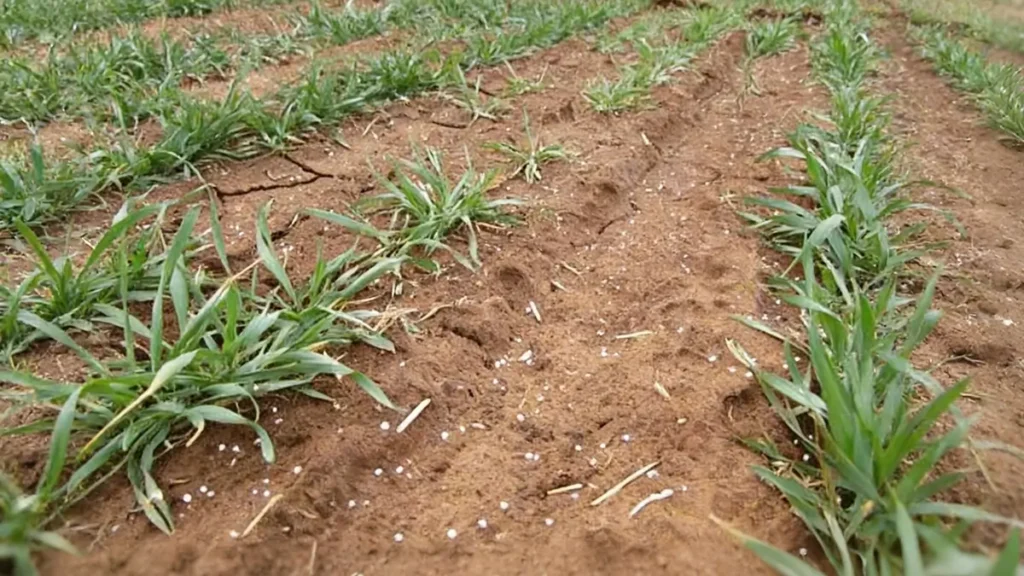
The typical ammonium sulfate fertilizer application rate per hectare depends on crop nitrogen demand and soil fertility.
👉 General recommendations:
- 300–350 kg/ha for moderate nutrient requirements
- 350–420 kg/ha for intensive or high-yield systems
These rates align with standard nitrogen fertilizer per hectare guidelines, ensuring sufficient nutrient supply without excessive application.
3. How to Calculate Ammonium Sulfate Dosage (Formula)
Ammonium Sulfate Dosage Calculator
4. Key Factors Affecting Fertilizer Dosage
Soil Nutrient Status
Soil testing helps determine the appropriate ammonium sulfate dosage per hectare.
Crop Nitrogen Demand
Different crops require varying levels of nitrogen, influencing fertilizer rates.
Climate and Irrigation
Rainfall and irrigation affect nutrient availability and potential nitrogen loss.
Soil pH
Ammonium sulfate is particularly effective in alkaline soils, where it improves nutrient availability.
At this stage, many growers choose standardized products from Terafon Fertilizer to ensure consistent nutrient content and predictable field performance.
5. How to Calculate Ammonium Sulfate per Hectare
Accurate fertilizer calculation is essential for precision agriculture:
Step 1: Determine Nitrogen Requirement
Example: 120 kg N/ha
Step 2: Convert to Fertilizer Rate
Since ammonium sulfate contains 21% nitrogen:
👉 120 ÷ 0.21 = ~570 kg/ha ammonium sulfate
This method ensures accurate fertilizer dosage calculation per hectare, improving nutrient efficiency.
6. Best Practices for Application
- Apply fertilizer in split doses to reduce nitrogen loss
- Incorporate into soil for better nutrient uptake
- Avoid application before heavy rainfall
- Combine with phosphorus and potassium fertilizers
These practices improve nitrogen use efficiency and overall crop performance.
7. Common Mistakes to Avoid
- Over-application causing soil acidification
- Ignoring soil testing
- Applying all fertilizer at once
- Uneven field distribution
Avoiding these mistakes supports sustainable crop production and soil health.

8. Conclusion
The correct ammonium sulfate application rate per hectare depends on crop needs, soil fertility, and environmental conditions. While general recommendations range from 280 to 460 kg/ha, precise application should always be based on soil testing and crop nitrogen requirements.
By following best practices, farmers can:
- Improve crop yield and quality
- Enhance nitrogen and sulfur efficiency
- Maintain long-term soil productivity
Suppliers such as Terafon Fertilizer support growers with reliable Ammonium sulfate solutions, helping achieve efficient and sustainable fertilization programs.
Frequently Asked Questions (FAQ)
Ammonium sulfate contains about 21% nitrogen. For example, applying 200 kg/ha provides approximately 42 kg of nitrogen per hectare, depending on the application rate.
Ammonium sulfate is best suited for alkaline and neutral soils. In acidic soils, excessive use may further lower pH and should be carefully managed.
The best time is during early growth stages or split applications throughout the season to maximize nitrogen uptake and reduce nutrient loss.
Yes, ammonium sulfate contains about 24% sulfur, making it an effective fertilizer for correcting sulfur deficiencies and improving crop quality.
Ammonium sulfate has an acidifying effect on soil. Long-term use can lower soil pH, which is beneficial for alkaline soils but requires monitoring in already acidic conditions.
Related Articles
Get a Catalog & Best Price
Recommended Fertilizers
Ammonium-Sulfate
Ammonium Chloride
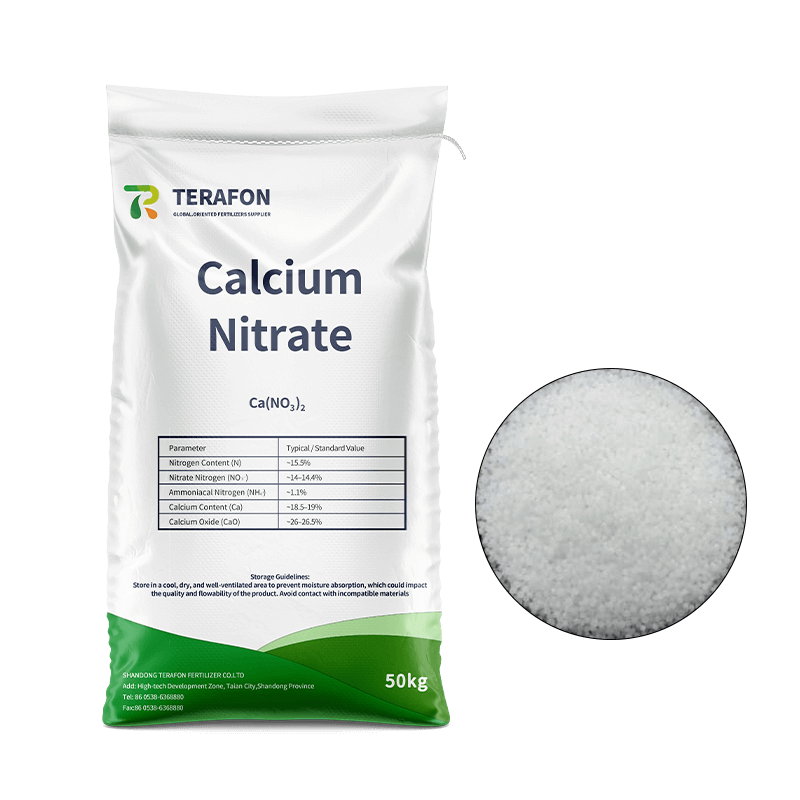
Calcium-Nitrate
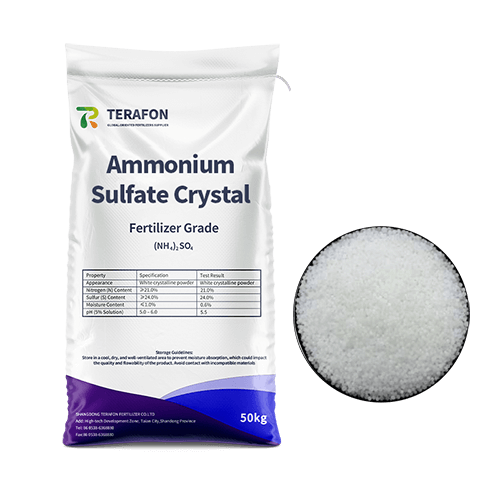
Ammonium Sulfate Crystal
Suitable Crops
Cereal Crop

Leafy & Fruiting Vegetables

Oil Crops

Fruit Crops
Ammonium Sulfate Fertilizer: Boosting Yield and Nutrient Efficiency
Apply ammonium sulfate via soil or top dressing to supply nitrogen and sulfur, support crop growth, and improve yield and soil efficiency. Ensures consistent performance for sustainable agriculture.
