


- Home » Amino Acid Fertilizer Application Methods...
Amino Acid Fertilizer Application Methods and Key Benefits for Plants
Modern agriculture requires precision nutrition strategies to optimize crop growth and improve resistance to environmental stresses. Amino acid fertilizers have emerged as a highly effective biostimulant, providing crops with easily absorbable amino acids and peptides that improve nutrient efficiency, metabolic activity, and stress resilience.
Terafon Fertilizer’s amino acid products are designed for high-performance agriculture, offering solutions for vegetables, fruits, cereals, and high-value horticultural crops. Proper application ensures maximum absorption, improved plant health, and higher crop yields.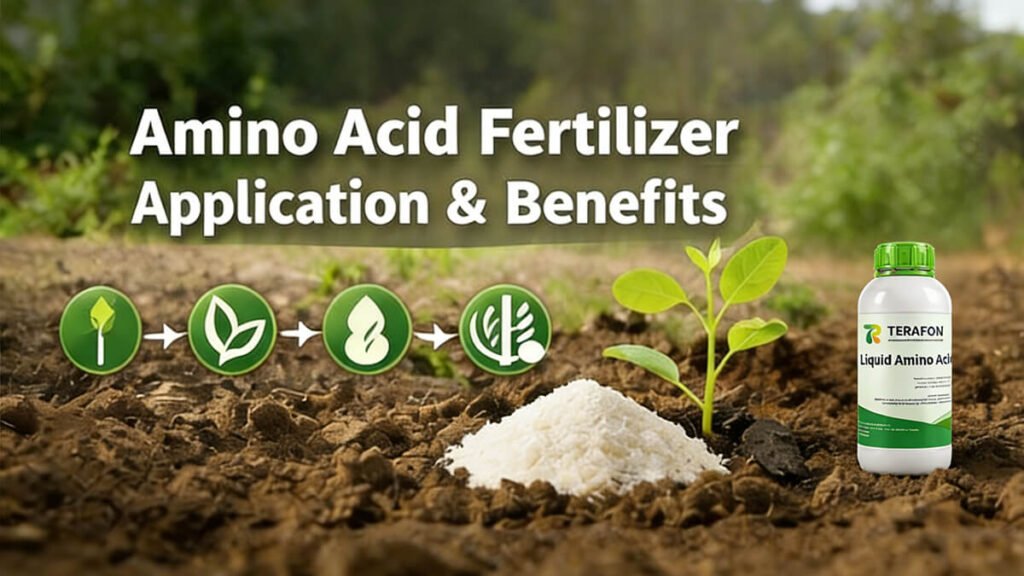
Table of Contents
1. What Is Amino Acid Fertilizer?
Amino acid fertilizers are derived from hydrolyzed proteins sourced from plants or microbes. They supply crops with free amino acids and small peptides, which are rapidly absorbed through roots and foliage, bypassing the limitations of traditional mineral fertilizers.
Key roles of amino acids in plants:- Precursor for proteins, enzymes, and plant hormones
- Enhances nutrient absorption
- Improves stress tolerance
Stimulates root and shoot growth
2. Application Methods & Usage Rates
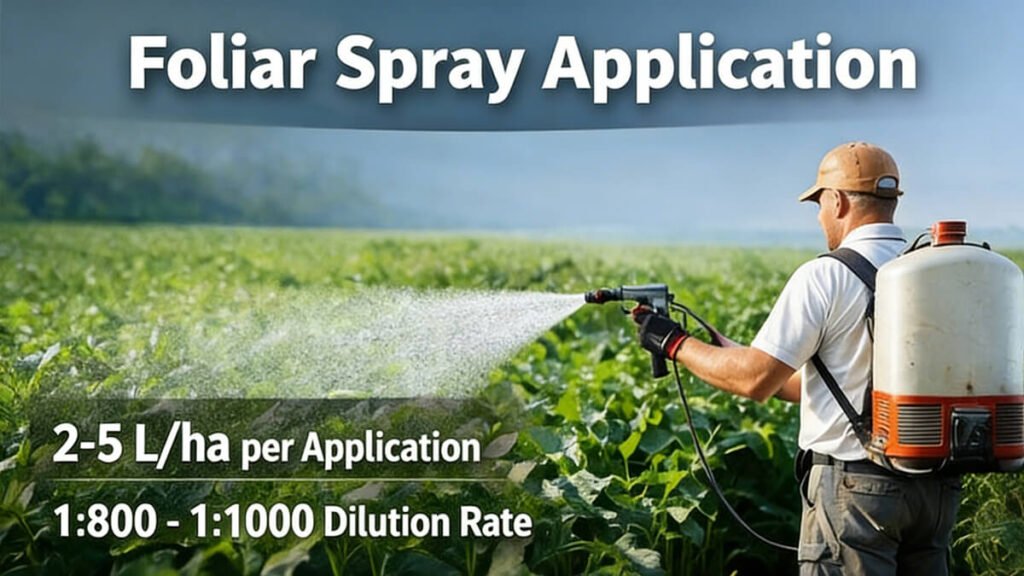
2.1 Foliar Spray
- Vegetables: 2–5 L/ha per application, 4–6 applications per season
- Fruit Trees / Orchards: 2–4 L/ha at key growth stages (pre-flowering to fruit set), 3–6 applications
- Hydroponic Systems: 2 mL/L nutrient solution
Dilution Ratio: 1:800–1:1000 (product : water)
2.2 Soil Application / Root Drench
- General Crops: 1–2 kg/ha per application
- Continuous Cropping / Nutrient-Deficient Soils: Moderate doses at early season stages
2.3 Seed Treatment
- Soak seeds in 0.5–1 g/L amino acid solution before sowing
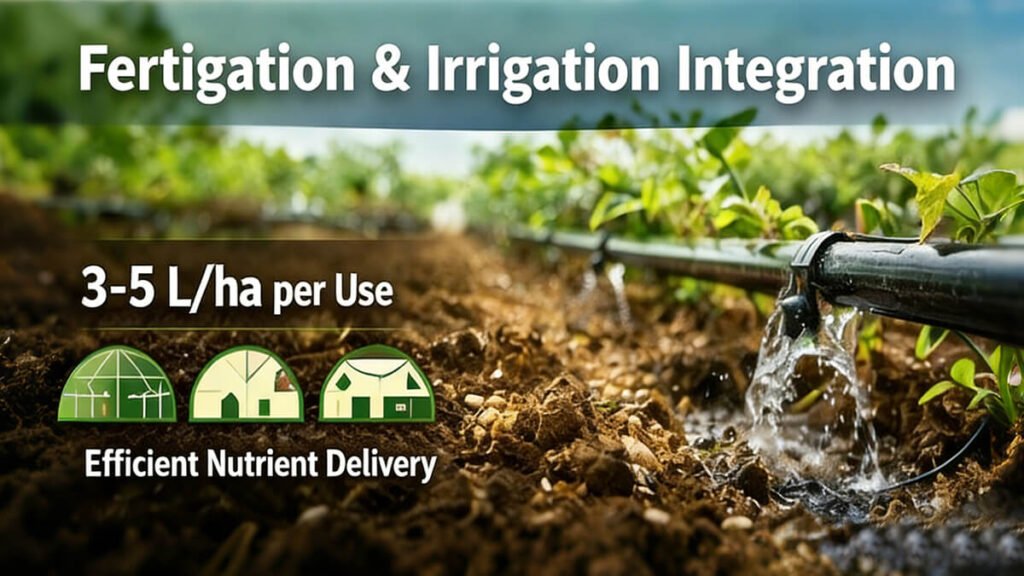
2.4 Fertigation / Irrigation Integration
Amino acids can be delivered via drip irrigation or fertigation systems, ensuring controlled and uniform nutrient supply.
Recommended Rates:- 3–5 L/ha per fertigation event, 3–6 applications during critical growth phases
- Weekly applications for stress recovery or during high-demand growth stages
3. Key Benefits for Plant Growth and Productivity
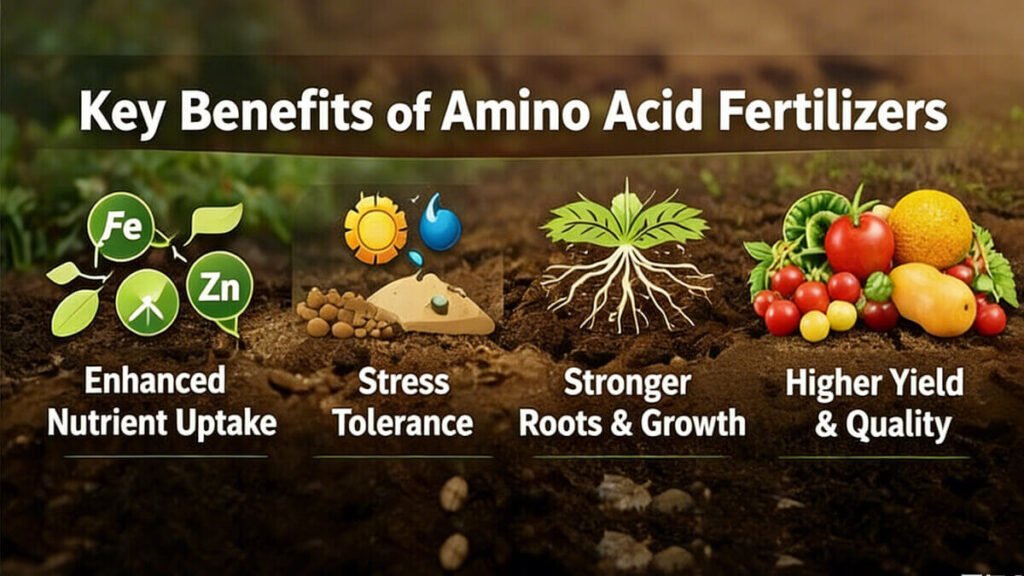
3.1 Enhanced Nutrient Absorption
3.2 Increased Stress Tolerance
Amino acids such as proline and glycine betaine enhance osmotic regulation and antioxidant activity, helping plants withstand drought, salinity, temperature extremes, and oxidative stress.
3.3 Robust Root Development and Early Growth
Amino acids stimulate root elongation, branching, and biomass accumulation, ensuring efficient nutrient and water uptake and faster crop establishment.
3.4 Improved Yield and Crop Quality
Regular use leads to higher yields, better fruit quality, improved sugar content, and uniform growth. Terafon Fertilizer products are formulated to maximize crop performance and profitability.
3.5 Sustainable Soil Health Benefits
Amino acids are biodegradable, enhancing microbial activity and nutrient cycling, supporting long-term soil fertility and sustainable production systems.
4. Best Practices for Timing and Dosage
- Apply foliar sprays early morning or late afternoon
- Integrate soil applications with baseline fertilization schedules
- Use seed treatment to improve early vigor and uniform germination
- Repeat applications during critical growth stages or stress periods
- Combine with precision irrigation for maximum efficiency
5. Conclusion
Amino acid fertilizers provide a scientifically validated solution for modern crop nutrition. Combining enhanced nutrient uptake, improved stress resilience, and optimized growth, these products ensure healthier plants, higher yields, and sustainable production systems.
Terafon Fertilizer delivers professional-grade amino acid solutions designed for modern agriculture, helping growers achieve consistent quality, robust crops, and improved profitability.
6. FAQs about Amino Acid Fertilizer
Q1: How often should amino acid fertilizer be applied?
A: Every 7–14 days during active growth, depending on crop type and environmental conditions.
Q2: Can amino acids be mixed with other foliar sprays?
A: Yes, most amino acid products are compatible with standard micronutrients and pesticides. Conduct a jar test first.
Q3: What is the ideal dilution for foliar application?
A: Typically 1:800–1:1000 (product : water) depending on crop type.
Q4: Are soil application rates different from foliar?
A: Yes. Soil drench rates are usually expressed in kg/ha, while foliar rates are in L/ha or dilution ratios.
A: Yes. They stimulate beneficial microbial activity and improve nutrient cycling over time.
Recommended Fertilizers
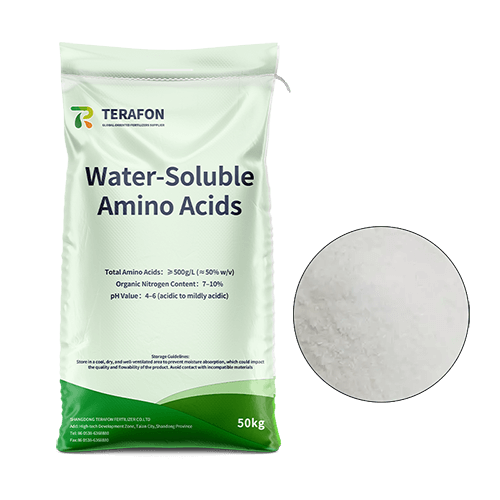
Water-Soluble-Amino-Acids
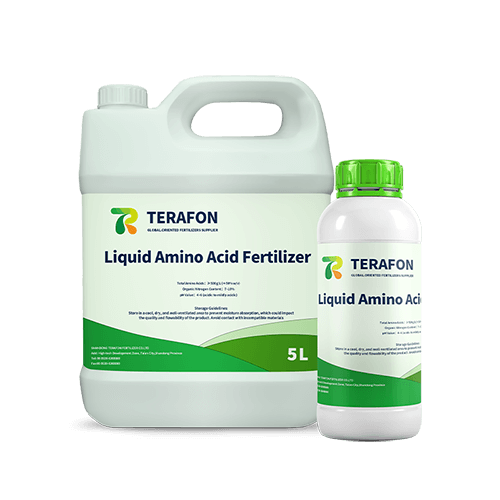
Liquid-Amino-Acid-Fertilizer
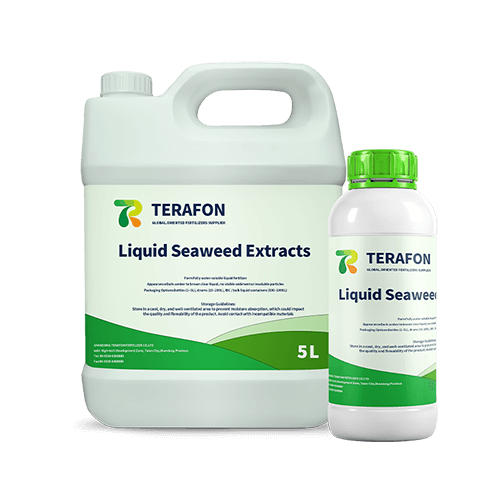
Liquid-Seaweed-Extracts
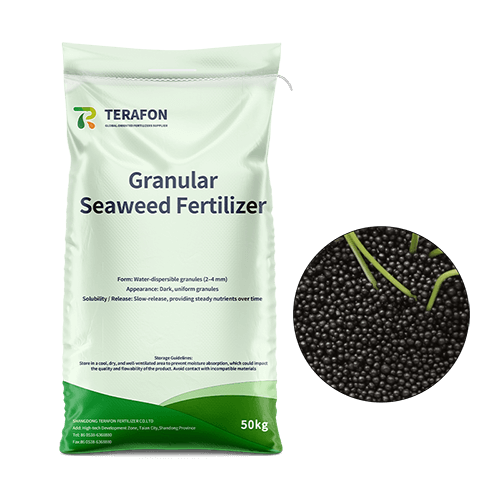
Granular-Seaweed-Fertilizer
Suitable Crops
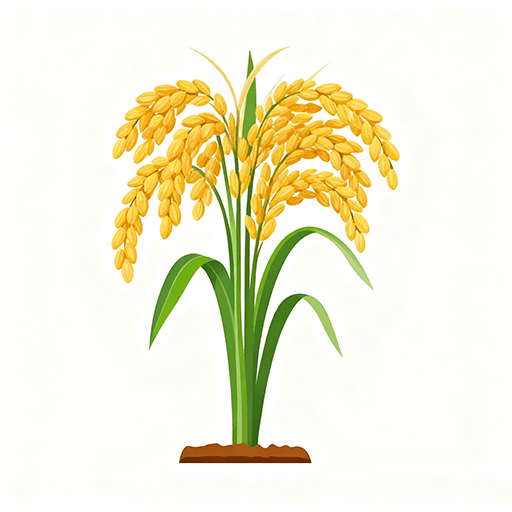
Cereal Crops
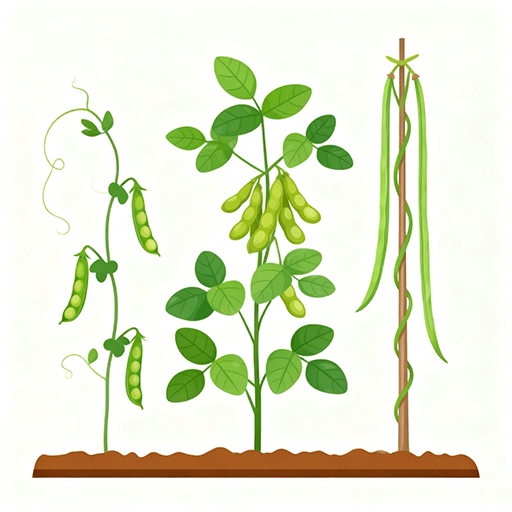
Legume Crops
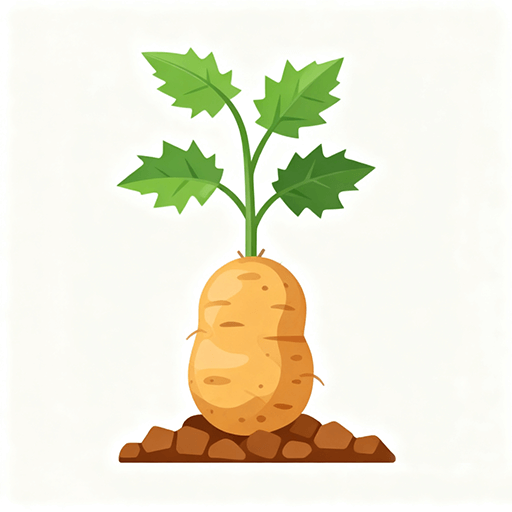
Root & Tuber Crops
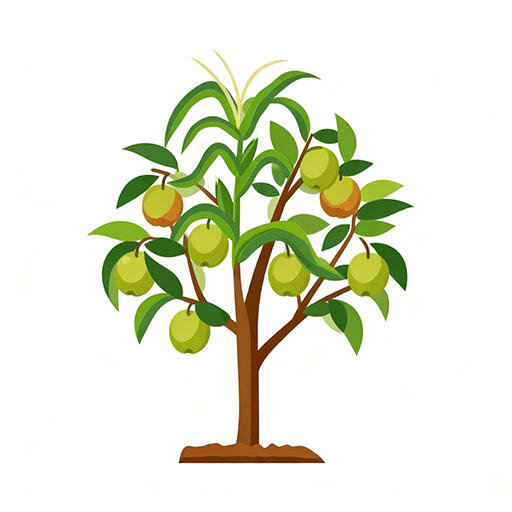
Fruit Crops
Choose the Best Amino Acid Fertilizer for Your Crops
Select the right amino acid fertilizer based on crop type and growth stage to improve nutrient uptake, increase stress resistance, and enhance yield. Contact Terafon Fertilizer for professional support and tailored solutions.
